Embark on a journey through Geotourism in Volcanic Landscapes, where the raw power of nature meets captivating beauty, offering a unique travel experience like no other.
Discover the allure of volcanic landscapes and how sustainable travel practices play a vital role in preserving these wonders for future generations to enjoy.
Introduction to Geotourism in Volcanic Landscapes
Geotourism involves exploring and appreciating the geological features of a particular area while promoting conservation and sustainability. In volcanic landscapes, geotourism plays a crucial role in educating visitors about the unique geological processes that shape these environments.
Volcanic landscapes are often characterized by stunning natural beauty, with features such as volcanoes, lava flows, hot springs, and geysers attracting tourists from around the world. The dynamic nature of volcanic landscapes, with ongoing volcanic activity and the formation of new landforms, adds to their appeal for visitors seeking adventure and a deeper understanding of the Earth’s processes.
How Geotourism Promotes Sustainable Travel Practices
- Encourages responsible tourism behavior, such as staying on designated trails to protect fragile volcanic ecosystems.
- Supports local communities by promoting cultural heritage and sustainable economic development through tourism activities.
- Educates visitors about the importance of conservation and preservation of volcanic landscapes for future generations.
- Promotes environmentally friendly practices, such as reducing waste and carbon emissions during travel to volcanic destinations.
Geological Wonders in Volcanic Landscapes
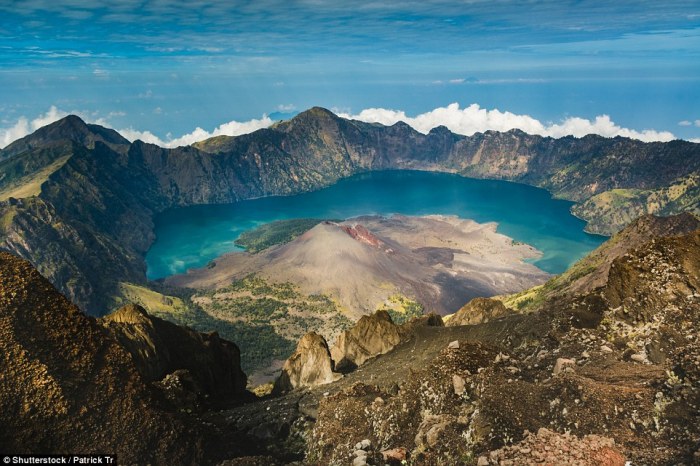
Volcanic landscapes are home to a variety of unique geological features that showcase the power and beauty of volcanic activity. From towering peaks to vast lava fields, these landscapes provide a window into the Earth’s dynamic processes.One of the most striking features of volcanic landscapes is the presence of craters and calderas. Craters are bowl-shaped depressions that form at the summit of a volcano, often as a result of explosive eruptions.
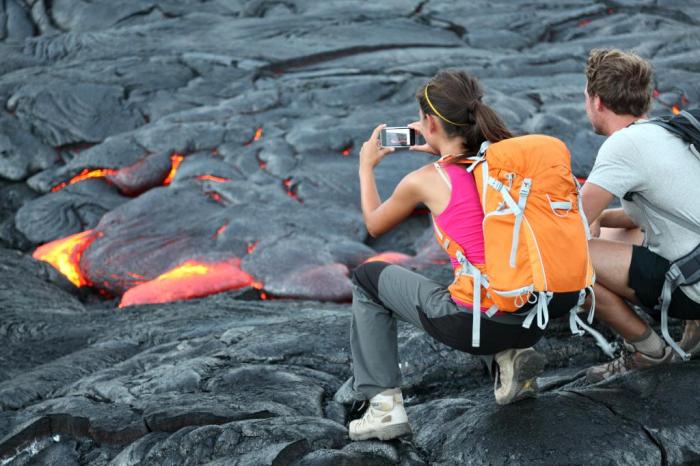
Calderas, on the other hand, are much larger depressions that form when the summit of a volcano collapses following a massive eruption. These features offer a glimpse into the violent history of volcanic activity in the area.Lava fields are another common sight in volcanic landscapes, where vast expanses of solidified lava cover the ground. These fields are a reminder of the molten rock that once flowed from the volcano, shaping the land as it cooled and hardened.
The intricate patterns and textures of lava flows can be both mesmerizing and eerie, showcasing the raw power of nature.Volcanoes play a crucial role in shaping the landscape and ecosystem of volcanic regions. The fertile soil created by volcanic ash and lava supports unique plant and animal life, creating a diverse ecosystem that thrives in the aftermath of eruptions. Additionally, volcanic activity can create new landforms, reshape coastlines, and even influence weather patterns, highlighting the profound impact of volcanoes on the surrounding environment.
Formation of Volcanic Landforms
In volcanic landscapes, the formation of landforms such as craters, calderas, and lava fields is a result of the complex interplay between volcanic activity and geological processes. Craters form at the summit of a volcano when explosive eruptions eject material from the vent, creating a bowl-shaped depression. Calderas, on the other hand, are much larger depressions that form when the summit of a volcano collapses after a massive eruption, leaving behind a vast hollowed-out basin.Lava fields are created when molten rock, or lava, flows from the volcano during an eruption and solidifies upon cooling.
The resulting lava flows can cover vast areas, shaping the landscape with their unique textures and patterns. Over time, these lava fields can be colonized by plant life and eventually contribute to the formation of new soil, further enriching the ecosystem of the volcanic region.
Cultural Aspects of Geotourism in Volcanic Regions
Volcanic landscapes hold a rich cultural heritage that is deeply intertwined with the local communities living in these regions. The cultural aspects of geotourism play a significant role in preserving traditions and fostering economic growth.
Local Community Benefits
Local communities in volcanic regions often benefit from geotourism initiatives through increased employment opportunities, preservation of indigenous knowledge, and the promotion of local crafts and cuisine. By engaging with tourists, these communities can showcase their unique cultural heritage and traditions.
Traditional Practices and Beliefs
Traditional practices and beliefs related to volcanic activity are prevalent in many cultures residing near volcanic landscapes. These practices often involve rituals to appease the volcano gods, ceremonies to protect against eruptions, and the use of volcanic rocks for spiritual purposes. These beliefs not only reflect the deep connection between people and their environment but also contribute to the cultural identity of these communities.
Adventure Activities in Volcanic Areas
Volcanic regions offer a unique opportunity for adventure enthusiasts to engage in a variety of thrilling activities. However, it is important to be aware of the safety measures and tips to ensure a memorable and secure experience.
Popular Adventure Sports and Activities
Volcanic areas attract adrenaline junkies with a range of exciting activities such as:
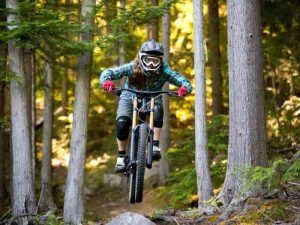
- Hiking along volcanic trails to witness breathtaking landscapes and geological formations.
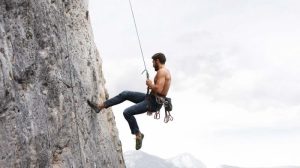
- Rock climbing on volcanic cliffs and craters for a challenging and rewarding experience.
- Trekking through lava fields to explore the rugged terrain and learn about volcanic history.
- Caving in lava tubes to marvel at underground formations created by volcanic activity.
- Paragliding or hot air ballooning to get a bird’s eye view of volcanic landscapes.
Safety Measures for Adventure Activities
Before embarking on any adventure in volcanic regions, it is crucial to:
- Follow designated trails and paths to avoid hazardous areas.
- Check weather conditions and volcanic alerts to stay informed and prepared.
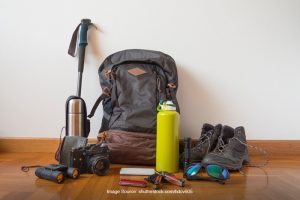
- Wear appropriate gear such as sturdy hiking boots, helmets, and protective clothing.
- Stay hydrated and carry essential supplies like water, snacks, and a first aid kit.
- Respect wildlife and vegetation, and refrain from littering to preserve the fragile ecosystem.
Tips for Travelers Exploring Volcanoes
For travelers looking to explore volcanoes and their surroundings, here are some handy tips:
- Join guided tours led by experienced professionals to gain insights into the volcanic landscape.
- Take your time to appreciate the unique beauty and power of volcanic features.
- Capture memories responsibly by taking photos without disturbing the environment.
- Immerse yourself in the local culture and traditions to enhance your volcanic adventure experience.
- Plan your itinerary carefully, considering factors like altitude, terrain difficulty, and accessibility.
Environmental Conservation and Geotourism
Conservation efforts in volcanic landscapes are crucial to protect the unique ecosystems and geological features present in these areas. Without proper conservation measures, the delicate balance of these environments can be disrupted, leading to irreversible damage.
Importance of Conservation in Volcanic Landscapes
Volcanic landscapes are not only geologically significant but also support a wide range of plant and animal species that have adapted to the harsh conditions. Conservation efforts help preserve these ecosystems and ensure the survival of these species for future generations.
- Implementing strict regulations for visitors to follow, such as staying on designated paths and avoiding littering, helps minimize the environmental impact of tourism in volcanic areas.
- Engaging local communities in conservation initiatives can create a sense of ownership and responsibility towards protecting the natural resources in their region.
- Monitoring and research programs can provide valuable data on the impact of tourism activities on volcanic ecosystems, guiding decision-making for sustainable management practices.
Sustainable Practices for Visitors
Visitors can play a vital role in minimizing their environmental impact while exploring volcanic landscapes. By adhering to sustainable practices, they can help preserve these unique environments for generations to come.
- Choose eco-friendly accommodation options that prioritize sustainability and conservation efforts.
- Reduce waste by using reusable items and recycling materials whenever possible.
- Respect wildlife and vegetation by observing from a distance and not disturbing their natural habitats.
Geotourism and Preservation of Volcanic Ecosystems
Geotourism, when practiced responsibly, can contribute to the preservation of volcanic ecosystems by raising awareness about the importance of conservation and fostering a deeper appreciation for these natural wonders.
By promoting sustainable tourism practices and supporting conservation initiatives, geotourism can help protect the fragile balance of volcanic landscapes and ensure their long-term sustainability.
Case Studies: Successful Geotourism Projects in Volcanic Regions
In recent years, several geotourism initiatives have emerged in volcanic landscapes, showcasing the unique geological and cultural heritage of these regions.
Jeju Island, South Korea
Jeju Island, off the southern coast of South Korea, is a prime example of successful geotourism in a volcanic region. The island’s UNESCO World Heritage Site status has helped protect its diverse volcanic landscapes, including the iconic Hallasan Mountain and lava tubes. Local communities have been actively involved in guiding tours, promoting local cuisine, and preserving traditional practices, fostering a sense of pride and ownership among residents.
Maui, Hawaii, USA
Maui, known for its stunning volcanic landscapes, has embraced geotourism to promote sustainable tourism practices. Initiatives such as the Maui Geotourism Collaborative have engaged local communities in developing cultural tours, educational programs, and conservation efforts. By emphasizing the importance of preserving the island’s natural and cultural heritage, geotourism has not only boosted the economy but also strengthened community ties.
Mount Etna, Sicily, Italy
Mount Etna, Europe’s highest and most active volcano, has become a hotspot for geotourism, attracting visitors from around the world. Local communities have capitalized on this interest by offering guided tours, volcano treks, and educational experiences that highlight the geological wonders of the region. The economic benefits from geotourism have supported conservation projects and fostered a sense of stewardship among residents towards their volcanic landscape.
Closing Notes
As we conclude our exploration of Geotourism in Volcanic Landscapes, we are left inspired by the harmony between nature and culture in these remarkable regions, reminding us of the importance of responsible travel and conservation efforts.
Commonly Asked Questions
Is it safe to visit volcanic regions?
Yes, as long as visitors follow safety guidelines and respect any restricted areas.
How do local communities benefit from geotourism?
Local communities can benefit economically and culturally through job opportunities and preservation of their heritage.
What are some popular adventure activities in volcanic areas?
Popular activities include hiking, volcano climbing, and exploring lava fields.