Embark on a journey to remote islands with Solo Travel to Remote Islands, where solitude meets adventure in a unique blend of exploration and self-discovery. Discover the allure of uncharted territories and hidden gems awaiting your discovery.
Unveil the mysteries of these secluded paradises, from vibrant marine life to lush rainforests, as you navigate through a world of unparalleled beauty and tranquility.
Shopping Vacation
Shopping vacations on remote islands offer a unique experience for travelers looking to discover local crafts and treasures while exploring the beauty of these secluded destinations.
Unique Items and Souvenirs
On remote islands, travelers can find a variety of unique items and souvenirs that showcase the local culture and traditions. From handcrafted jewelry made with indigenous materials to traditional textiles and artwork, each piece tells a story of the island’s heritage.
- Handwoven baskets and bags made by local artisans.
- Seashell jewelry and accessories crafted from shells found on the island’s shores.
- Traditional musical instruments like drums or flutes that reflect the island’s musical heritage.
Shopping Experience and Local Markets
Exploring the local markets on remote islands is an immersive experience that allows travelers to interact with locals and support small businesses. These markets often feature a vibrant array of goods, from fresh produce to handmade crafts, providing a glimpse into the daily life of the island community.
- Strolling through bustling market stalls filled with colorful textiles and artisanal goods.
- Sampling local delicacies and freshly caught seafood at food stalls and eateries.
- Engaging with local craftsmen and learning about the traditional techniques behind their creations.
Arctic and Polar Expeditions
Embarking on Arctic and polar expeditions presents a unique set of challenges and rewards for adventurous travelers looking to explore some of the most remote and pristine regions on Earth.
Wildlife in the Arctic and Polar Regions
Arctic and polar expeditions offer unparalleled opportunities to observe a diverse range of wildlife in their natural habitats. From majestic polar bears and playful seals to graceful whales and a variety of seabirds, these remote regions are teeming with unique and fascinating creatures.
Tips for Extreme Weather Conditions
- Clothing: Dressing in layers is essential to stay warm and dry in the extreme cold temperatures of the Arctic and polar regions. Make sure to pack thermal underwear, insulated outerwear, waterproof boots, gloves, and hats.
- Protection: Don’t forget to bring along sunscreen, sunglasses, and lip balm to protect your skin from the harsh sun and glare off the snow and ice.
- Stay Hydrated: It’s easy to become dehydrated in cold, dry climates, so be sure to drink plenty of water throughout the day.
- Travel Insurance: Consider purchasing travel insurance that covers medical emergencies and evacuation in case of unforeseen circumstances in remote locations.
- Follow Expert Guidance: When participating in Arctic expeditions, always follow the guidance of experienced guides and experts who are familiar with the terrain and weather conditions.
Music Festival Tour
Solo travel to remote islands can be an exciting adventure on its own, but combining it with attending music festivals can take the experience to a whole new level. Imagine immersing yourself in the stunning natural beauty of a remote island during the day and then dancing the night away to your favorite tunes under the stars.When it comes to popular music festivals held on remote islands, one standout event is the Secret Solstice Festival in Iceland.
This unique festival takes place during the summer solstice when the sun never fully sets, creating a magical atmosphere for music lovers. Another noteworthy festival is the Meadows in the Mountains in Bulgaria, set in the picturesque Rhodope Mountains and offering a truly immersive experience.Personal experiences from attending music festivals on remote islands often highlight the sense of community and connection that comes from sharing the experience with like-minded individuals.
The intimate settings of these festivals create a special bond among attendees, making it a memorable and rewarding experience for solo travelers looking to combine music and adventure.
Rainforest Exploration
Exploring rainforests on remote islands offers a unique and immersive experience for solo travelers seeking adventure and connection with nature. The allure of these lush and biodiverse ecosystems lies in the opportunity to witness rare and exotic flora and fauna in their natural habitat, away from the hustle and bustle of civilization.
Biodiversity in Remote Island Rainforests
Rainforests on remote islands are known for their incredible biodiversity, with a wide variety of plant and animal species that are found nowhere else in the world. From vibrant tropical flowers to colorful birds and elusive mammals, these ecosystems are teeming with life.
Some unique flora and fauna that can be found in remote island rainforests include:
- The endangered Sumatran orangutan, found in the rainforests of Sumatra
- The vibrant Rafflesia flower, the largest flower in the world, found in the rainforests of Borneo
- The elusive Okapi, a relative of the giraffe, found in the rainforests of the Democratic Republic of Congo
Safety Tips for Solo Travelers
Exploring rainforests on remote islands can be a thrilling experience, but it’s important to take precautions to ensure your safety:
- Always inform someone of your itinerary and expected return time before setting out on a hike or exploration.
- Carry essential supplies such as water, snacks, a first aid kit, and a fully charged phone or GPS device.
- Wear appropriate clothing and footwear for hiking in humid and sometimes challenging terrain.
- Be aware of your surroundings and watch out for wildlife, especially if you encounter larger animals.
- Respect the environment and follow designated trails to minimize your impact on the ecosystem.
Spiritual Pilgrimage
Embarking on a solo spiritual pilgrimage to remote islands can be a deeply transformative and enlightening experience. These journeys offer individuals the opportunity to disconnect from the distractions of everyday life and connect with their inner selves in a serene and spiritually charged environment.
Spiritual Significance of Remote Islands
Remote islands often hold a special spiritual significance due to their isolation and natural beauty. The tranquil surroundings, untouched landscapes, and powerful energy of these islands create the perfect setting for introspection, meditation, and spiritual growth.
Personal Transformation Stories
- Visitors to the remote island of Bali in Indonesia often report profound spiritual experiences, feeling a sense of peace and renewal as they immerse themselves in the island’s rich spiritual traditions.
- The Camino de Santiago pilgrimage to the island of Santiago de Compostela in Spain is known to be a life-changing journey for many, with pilgrims experiencing personal growth, healing, and spiritual awakening along the way.
- On the remote island of Iona in Scotland, travelers often speak of feeling a deep connection to nature and a sense of spiritual awakening as they explore the island’s ancient religious sites and peaceful landscapes.
Geotourism Adventure
Geotourism involves exploring the geological aspects of a destination while promoting conservation and sustainability. When it comes to remote island travel, geotourism plays a significant role in highlighting the unique geological features that these islands have to offer.
Geological Features of Remote Islands
Remote islands are often characterized by diverse and fascinating geological formations that attract geotourists. From volcanic landscapes to limestone cliffs and pristine beaches, these islands provide a rich tapestry of geological wonders waiting to be explored.
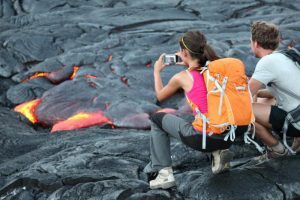
- Volcanic Landscapes: Many remote islands are volcanic in origin, offering visitors the chance to witness volcanic craters, lava flows, and other volcanic features up close.
- Limestone Formations: Some remote islands boast stunning limestone formations, including towering cliffs, caves, and karst landscapes that showcase the power of natural erosion processes.
- Beach Geology: The beaches on remote islands often display unique geological features such as colorful sands, seashells, and coral reefs, providing insights into the island’s geological history.
Recommended Geotourism Activities
For solo travelers looking to immerse themselves in geotourism adventures on remote islands, here are some recommended activities to consider:
- Guided Volcano Tours: Join a guided tour to explore the volcanic landscapes of remote islands, learning about the geological processes that shaped these unique environments.
- Caving Expeditions: Embark on caving expeditions to discover hidden caves and limestone formations, marveling at the intricate patterns created by geological forces.
- Snorkeling and Diving: Dive into the crystal-clear waters surrounding remote islands to witness underwater geological formations such as coral reefs, submerged caves, and volcanic seamounts.
- Geological Hiking Trails: Take on geological hiking trails that lead you through diverse landscapes, showcasing the geological diversity of remote islands and offering breathtaking views.
Birdwatching Vacation
Birdwatching on remote islands offers a unique opportunity to observe a diverse range of bird species in their natural habitat. The tranquil surroundings and untouched landscapes create the perfect setting for birdwatching enthusiasts seeking a solo adventure.
Diverse Bird Species
Remote islands are home to a plethora of bird species, each with its own distinct characteristics and behaviors. From seabirds like albatrosses, puffins, and petrels to colorful songbirds and majestic birds of prey, there is no shortage of fascinating species to discover.
Tips for Birdwatching Enthusiasts
- Research the bird species native to the remote island you plan to visit to familiarize yourself with their habits and calls.
- Invest in a good pair of binoculars and a field guide to enhance your birdwatching experience.
- Be patient and observant, as birds can be elusive and may require time to spot in their natural habitat.
- Respect the environment and wildlife, maintain a safe distance, and avoid disturbing the birds during your observations.
Best Birdwatching Spots
| Island | Notable Bird Species | Recommended Time of Year |
|---|---|---|
| Faroe Islands | Atlantic Puffins, Fulmars, Guillemots | Spring and Summer |
| Galapagos Islands | Blue-footed Boobies, Frigatebirds, Galapagos Penguins | Year-round |
| Seychelles | Seychelles Black Parrot, Seychelles Blue Pigeon, Seychelles Kestrel | Year-round |
Remote Island Retreat
When it comes to solo travel, seeking a remote island retreat can offer a unique and rejuvenating experience for travelers looking to unwind in a serene environment away from the hustle and bustle of everyday life.
Benefits of Remote Island Retreat
- Escape from the noise and stress of urban life.
- Opportunity to connect with nature and enjoy breathtaking landscapes.
- Chance to disconnect from technology and take a digital detox.
- Possibility to engage in activities like snorkeling, hiking, or simply lounging on secluded beaches.
Recommendations for Remote Island Retreat Accommodations
- Overwater Bungalows: Experience luxury and privacy while staying in a bungalow perched above crystal-clear waters.
- Eco-Friendly Resorts: Opt for accommodations that prioritize sustainability and offer a unique blend of comfort and conservation.
- Secluded Villas: Rent a private villa on a remote island for ultimate seclusion and relaxation.
- Glamping Sites: Enjoy the beauty of the outdoors with the comfort of glamorous camping options on remote islands.
Volunteer Vacation
Volunteering on remote islands during solo travel can be a fulfilling and impactful experience. It allows travelers to immerse themselves in the local community, contribute to meaningful projects, and make a positive difference in the lives of others.
Organizations and Programs
There are several organizations and programs that facilitate volunteer vacations on remote islands. These organizations often partner with local communities to address various needs such as environmental conservation, education, healthcare, and community development. Some well-known organizations include:
- International Volunteer HQ (IVHQ): Offers a wide range of volunteer programs in different countries, including opportunities on remote islands.
- Projects Abroad: Provides volunteer projects in diverse fields on islands around the world, allowing volunteers to make a tangible impact.
- WWOOF (World Wide Opportunities on Organic Farms): Offers opportunities for volunteers to work on organic farms in remote island locations, promoting sustainable agriculture.
Impact and Rewards
Volunteering on remote islands can have a significant impact on both the local community and the volunteer. Some of the rewards and benefits of volunteering include:
- Building meaningful connections with locals and other volunteers
- Gaining a deeper understanding of the local culture and way of life
- Developing new skills and gaining valuable experience in a different environment
- Contributing to important projects that benefit the community and environment
- Creating lasting memories and a sense of fulfillment from making a positive impact
Farm Stay Vacation
Embarking on a farm stay vacation on a remote island offers a unique opportunity to immerse yourself in nature and agriculture while experiencing the local way of life.
Unique Experiences and Activities
- Participate in daily farm chores such as milking cows, feeding animals, or harvesting crops.
- Learn about sustainable farming practices and organic gardening from local farmers.
- Indulge in farm-to-table dining with fresh produce straight from the fields.
- Engage in hands-on activities like cheese-making, bread baking, or beekeeping workshops.
Tips for Solo Travelers
- Research and choose a farm stay that aligns with your interests and preferences.
- Communicate with the hosts beforehand to understand what to expect and prepare accordingly.
- Respect the farm and its surroundings, following any guidelines or rules set by the hosts.
- Embrace the opportunity to disconnect from technology and embrace a slower pace of life on the farm.
Educational Vacation
Embarking on an educational vacation to remote islands offers a unique opportunity to combine leisure with learning, providing a deeper understanding of the destination’s culture, history, and wildlife.
Local Culture Exploration
Immersing yourself in the local culture of remote islands allows you to interact with residents, participate in traditional activities, and taste authentic cuisine. This hands-on experience fosters cultural appreciation and broadens your perspective on different ways of life.
Historical Insights
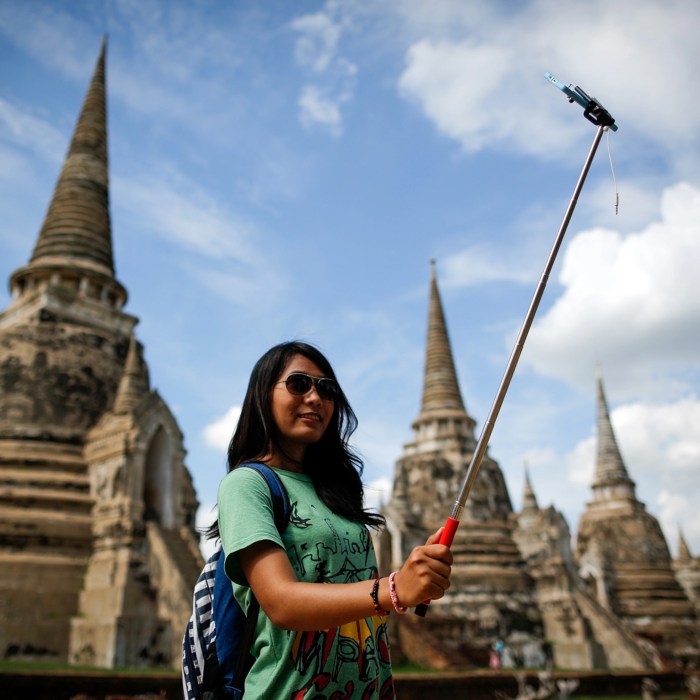
Exploring the historical sites on remote islands provides a glimpse into the past, shedding light on the events and people that shaped the island’s identity. From ancient ruins to colonial architecture, each site tells a story worth discovering.
Wildlife Encounters
Remote islands are often home to unique and diverse wildlife species that are not found anywhere else. By engaging in guided tours or nature walks, you can learn about the local ecosystem, conservation efforts, and the importance of preserving natural habitats.
Hiking and Trekking
When it comes to exploring remote islands, hiking and trekking are fantastic ways to immerse yourself in the natural beauty and unique landscapes. Not only do you get to challenge yourself physically, but you also have the opportunity to discover hidden gems off the beaten path.
Top Hiking and Trekking Trails on Remote Islands
- Great Barrier Island, New Zealand: The Aotea Track offers stunning views of the island’s rugged coastline and lush forests.
- Faroe Islands, Denmark: The hike to the iconic Lake Sørvágsvatn is a must-do for panoramic vistas of the surrounding cliffs and ocean.
- Isle of Skye, Scotland: The Quiraing Circuit takes you through dramatic rock formations and rolling hills overlooking the sea.
Safety Tips and Essential Gear for Solo Hiking and Trekking Trips
- Always let someone know your itinerary and expected return time before heading out on a hike.
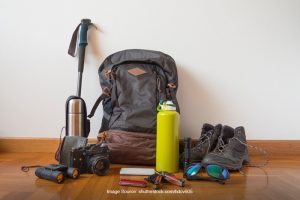
- Pack enough water, snacks, a map or GPS device, a first aid kit, and extra layers of clothing for changing weather conditions.
- Wear sturdy hiking boots with good ankle support to prevent injuries on uneven terrain.
Benefits of Exploring Remote Islands on Foot
- Connect with nature on a deeper level and appreciate the tranquility of untouched landscapes.
- Experience a sense of accomplishment and self-reliance as you navigate challenging trails and reach scenic viewpoints.
- Encounter wildlife and unique flora that can only be found in remote island environments.
Camping
Camping on remote islands offers a unique and immersive experience for solo travelers looking to connect with nature and disconnect from the hustle and bustle of everyday life. The appeal lies in the opportunity to sleep under the stars, wake up to the sound of waves crashing on the shore, and explore untouched landscapes.
Recommended Camping Spots and Facilities
When camping on remote islands, it is essential to choose safe and well-equipped camping spots. Some recommended spots include:
- North Manitou Island, Michigan: Offers primitive camping sites and stunning views of Lake Michigan.
- Cape Clear Island, Ireland: Provides camping facilities with breathtaking ocean views and access to hiking trails.
- Isle Royale National Park, Michigan: Remote camping sites with opportunities for wildlife sightings and hiking adventures.
Tips for Solo Campers
- Research the camping area beforehand to familiarize yourself with the terrain and any potential risks.
- Pack essential camping gear, including a sturdy tent, sleeping bag, cooking supplies, and adequate food and water.
- Inform someone of your camping plans, including your itinerary and expected return date, for safety purposes.
- Respect the environment by following Leave No Trace principles and leaving the campsite as you found it.
- Stay aware of your surroundings and wildlife presence, taking precautions to avoid any encounters.
Cycling and Mountain Biking
Cycling and mountain biking on remote islands offer a unique and thrilling way to explore these isolated destinations. The rugged terrain, stunning views, and sense of adventure make it an exciting experience for outdoor enthusiasts.
Terrain and Challenges
Remote islands often feature diverse terrain, ranging from rocky coastlines to lush forests and challenging mountain paths. Cyclists and mountain bikers must navigate these varying landscapes, overcoming obstacles such as steep inclines, loose gravel, and unpredictable weather conditions. The lack of infrastructure and services on these islands can also pose challenges, requiring riders to be self-sufficient and well-prepared for their journey.
Benefits of Exploring on Two Wheels
Exploring remote islands on a bike allows travelers to immerse themselves in the natural beauty of these secluded locations at their own pace. Cycling and mountain biking provide a more intimate and eco-friendly way to experience the landscapes, wildlife, and local culture of remote islands. Riders can access hidden gems, remote beaches, and off-the-beaten-path attractions that may not be easily reachable by other means of transportation.
Additionally, biking promotes physical activity, health, and a deeper connection to the environment, making it a rewarding and memorable adventure for those seeking a unique travel experience.
Fishing and Angling
When it comes to fishing and angling on remote islands, there are plenty of opportunities to enjoy this relaxing and rewarding activity surrounded by stunning natural beauty. Whether you’re a seasoned angler or a beginner looking to try your hand at fishing, remote islands offer a unique experience for solo travelers seeking adventure.
Types of Fish and Local Techniques
Remote islands are home to a diverse range of fish species, providing ample opportunities for anglers to try their luck at catching a variety of fish. Some common types of fish that can be found around remote islands include:
- Tuna
- Snapper
- Marlin
- Trout
Local fishing techniques may vary depending on the island and the type of fish you’re targeting. Some common techniques include:
- Deep-sea fishing
- Shore fishing
- Fly fishing
- Spearfishing
Tip: Research the local fishing regulations and guidelines before embarking on your fishing trip to ensure you are fishing responsibly and in accordance with local laws.
Tips for Solo Anglers
If you’re planning a solo fishing trip to a remote island, here are some tips to make the most of your experience:
- Bring along all necessary fishing gear, including rods, reels, bait, and tackle.
- Consider hiring a local guide who knows the best fishing spots and techniques for the area.
- Be prepared for changing weather conditions and pack appropriate clothing and gear.
- Respect the environment and practice catch-and-release to help preserve the delicate ecosystem.
Kayaking and Canoeing
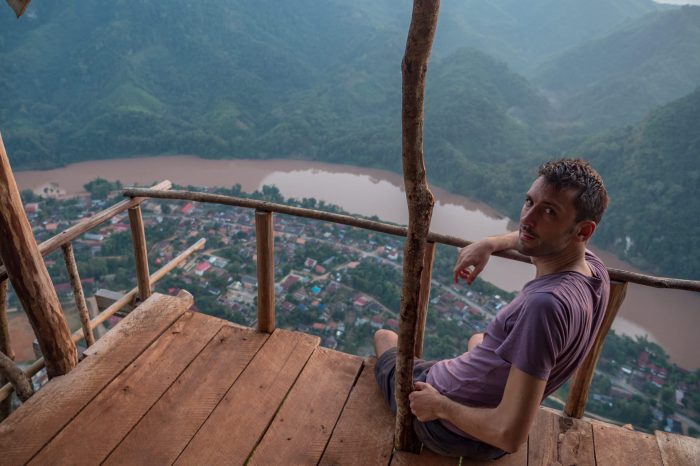
Kayaking and canoeing on remote island waters offer a unique and immersive way to explore the natural beauty of these secluded destinations. Paddling through crystal-clear waters, surrounded by stunning landscapes, provides a sense of tranquility and adventure that is unmatched.
Recommended Routes and Scenic Spots
- Kayak around the perimeter of the island to fully appreciate its beauty and scope.
- Explore hidden coves and inlets that can only be accessed by small watercraft.
- Paddle along the coastline to observe marine wildlife such as dolphins, seals, and seabirds up close.
- Visit remote beaches and shorelines that are untouched by mass tourism, offering a peaceful retreat in nature.
Safety Precautions and Gear Essentials
- Always wear a life jacket and ensure it fits properly before setting out on the water.
- Check the weather forecast and avoid kayaking in rough seas or strong winds.
- Bring plenty of water, snacks, sunscreen, and a first aid kit in case of emergencies.
- Inform someone on the mainland of your planned route and expected return time for added safety.
Rock Climbing and Bouldering
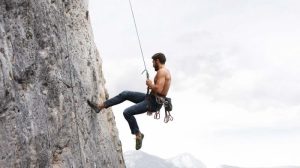
Rock climbing and bouldering on remote islands offer a unique and thrilling experience for adventure seekers. The rugged terrain, breathtaking views, and sense of isolation make it a challenging yet rewarding activity.
Exploring Remote Island Rock Climbing Sites
- Remote islands often have untouched rock formations that provide a variety of climbing routes for all skill levels.
- The lack of crowds and commercialization allows climbers to immerse themselves in nature and focus on the climb.
- Some remote islands have iconic rock faces that attract climbers from around the world seeking new challenges.
Challenges and Rewards of Rock Climbing in Remote Islands
- Challenges include unpredictable weather conditions, limited equipment availability, and potential isolation in case of emergencies.
- Rewards include the sense of accomplishment, stunning panoramic views from the top, and the opportunity to connect with nature on a deeper level.
- Remote island rock climbing demands physical and mental strength, problem-solving skills, and adaptability to ever-changing conditions.
Tips for Solo Rock Climbers on Remote Islands
- Research the climbing routes and terrain of the remote island beforehand to ensure they match your skill level and experience.
- Pack essential safety gear, including a helmet, harness, ropes, and first aid kit, and be prepared for self-rescue in case of emergencies.
- Inform someone of your climbing plans, expected return time, and emergency contact information to ensure your safety while climbing solo.
Wildlife Watching and Birding
When visiting remote islands, one of the most exciting activities is wildlife watching and birding. These islands are often home to a diverse range of unique and fascinating species that you won’t find anywhere else.
Variety of Wildlife Watching Opportunities
Remote islands offer the chance to observe a wide variety of wildlife, including marine mammals like seals and sea lions, seabirds such as albatrosses and puffins, and land animals like iguanas and tortoises. Each island has its own unique ecosystem, providing a different set of species to observe.
Tips for Observing Wildlife Responsibly
- Keep a safe distance: Respect the animals’ habitat and observe from afar to avoid causing stress or disturbance.
- Do not feed the animals: Feeding wildlife can disrupt their natural behaviors and diet.
- Stay quiet and still: Minimize noise and movement to avoid scaring off the animals.
- Follow local regulations: Be aware of any rules or guidelines in place to protect the wildlife.
Best Times of Year for Wildlife Watching
The best time for wildlife watching on remote islands can vary depending on the species you are hoping to see. However, in general, visiting during the breeding season can offer the best opportunities to observe animals engaging in courtship displays, nesting behaviors, and caring for their young.
Trail Running
Trail running on remote islands offers a unique experience, combining the thrill of exploration with the serenity of nature. The rugged terrain, stunning views, and fresh sea air create the perfect backdrop for an exhilarating run.
Scenic Trail Running Routes
- Run along the coastal cliffs, with the sound of waves crashing against the rocks as your soundtrack.
- Explore lush forests and meadows, with the possibility of spotting rare wildlife along the way.
- Challenge yourself with steep ascents and descents, rewarded with panoramic views of the surrounding ocean.
- Follow winding paths that lead to hidden coves and pristine beaches, perfect for a refreshing post-run dip.
Physical and Mental Benefits
- Trail running in remote island environments provides a full-body workout, engaging muscles that may not be activated on flat terrain.
- The constantly changing landscape keeps your mind engaged, reducing stress and boosting creativity.
- Connecting with nature can have a calming effect, promoting mental clarity and overall well-being.
- Breathing in fresh sea air and soaking up the natural beauty around you can invigorate your spirit and leave you feeling refreshed.
Training Tips and Safety Precautions
- Gradually increase your mileage and elevation gain to build endurance and prevent injuries.
- Invest in proper trail running shoes with good traction to navigate uneven terrain safely.
- Carry essential gear such as water, snacks, a map, and a first aid kit in case of emergencies.
- Be aware of your surroundings, watch out for wildlife, and let someone know your planned route and estimated return time.
Adventure Sports
When it comes to remote islands, adventure sports offer a thrilling way for solo travelers to explore the untouched beauty of these secluded destinations. From heart-pounding activities to adrenaline-pumping experiences, there’s no shortage of excitement for those seeking a bit of adventure.
Range of Adventure Sports
- Rock Climbing: Scaling the rugged cliffs and rock formations of remote islands provides a unique challenge for adrenaline junkies.
- Surfing: Catching the waves off the coast of a remote island can be both exhilarating and relaxing.
- Scuba Diving: Explore the vibrant underwater world surrounding remote islands, teeming with marine life and colorful coral reefs.
- Kiteboarding: Harness the power of the wind and waves for an unforgettable experience on the open waters.
Adrenaline-Pumping Experiences
- Zip-lining: Soar through the lush forests and over crystal-clear waters for a bird’s eye view of the island’s natural beauty.
- Parasailing: Get a unique perspective of the island as you glide high above the sparkling ocean, feeling the rush of the wind against your skin.
- Caving: Explore mysterious caves and underground caverns, uncovering hidden wonders beneath the surface of the island.
Personal Experiences
Engaging in adventure sports on remote islands can be a transformative experience, pushing solo travelers out of their comfort zones and creating lasting memories. Whether it’s conquering a fear of heights while rock climbing or discovering a passion for underwater exploration through scuba diving, these adrenaline-fueled activities offer a unique way to connect with nature and oneself.
Conclusion
As we conclude this immersive exploration of Solo Travel to Remote Islands, let the memories of your solitary escapades and thrilling encounters linger, inspiring your next odyssey into the unknown. Embrace the freedom of solo travel and the serenity of remote island retreats, where every moment is a testament to the spirit of adventure.
FAQ
What are some unique souvenirs one can find on remote islands?
Unique souvenirs on remote islands can range from handmade crafts by local artisans to exotic spices or jewelry reflecting the island’s culture.
How can solo travelers prepare for extreme weather conditions on Arctic expeditions?
Solo travelers embarking on Arctic expeditions should pack appropriate cold-weather gear, including insulated clothing, thermal layers, and sturdy footwear to combat the harsh climate.
What are the benefits of seeking solitude on a remote island retreat?
Remote island retreats offer a peaceful sanctuary for solo travelers to unwind, reflect, and rejuvenate amidst stunning natural landscapes, providing a much-needed escape from the hustle and bustle of everyday life.