As Mountain Biking Gear and Essentials takes center stage, this opening passage beckons readers with casual formal language style into a world crafted with good knowledge, ensuring a reading experience that is both absorbing and distinctly original.
Embark on a journey where the right gear and essentials can make all the difference between a thrilling adventure and a challenging ride.
Introduction to Mountain Biking Gear and Essentials
Mountain biking gear refers to the equipment, clothing, and accessories necessary for a safe and enjoyable mountain biking experience. Having the right gear is crucial to ensure comfort, protection, and performance while tackling challenging trails and terrains.
It is important to invest in quality gear that fits well and is suitable for the type of mountain biking you plan to do. From helmets to hydration packs, each piece of equipment plays a vital role in enhancing your overall biking experience.
The Essential Items for Mountain Biking
When hitting the trails for a mountain biking adventure, there are several essential items that every rider should have to ensure a successful and enjoyable ride:
- Helmet: A properly fitting helmet is essential for protecting your head in case of falls or accidents.
- Bike: A reliable mountain bike that is suitable for the terrain you will be riding on is a fundamental necessity.
- Apparel: Comfortable and moisture-wicking clothing, padded shorts, and gloves are essential for a comfortable ride.
- Shoes: Sturdy and grippy mountain biking shoes provide stability and control while pedaling and navigating through rough terrain.
- Tools and Repair Kit: Carrying a basic tool kit and repair supplies can help you fix minor issues on the trail.
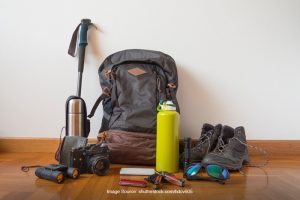
- Hydration Pack: Staying hydrated is crucial, especially on long rides, so a hydration pack or water bottle is essential.
- First Aid Kit: Having a first aid kit handy can be a lifesaver in case of injuries or emergencies on the trail.
- Trail Map and Navigation: Knowing where you are going and how to get back is essential for a safe and enjoyable ride.
Protective Gear for Mountain Biking
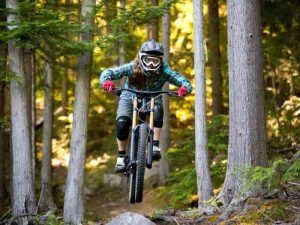
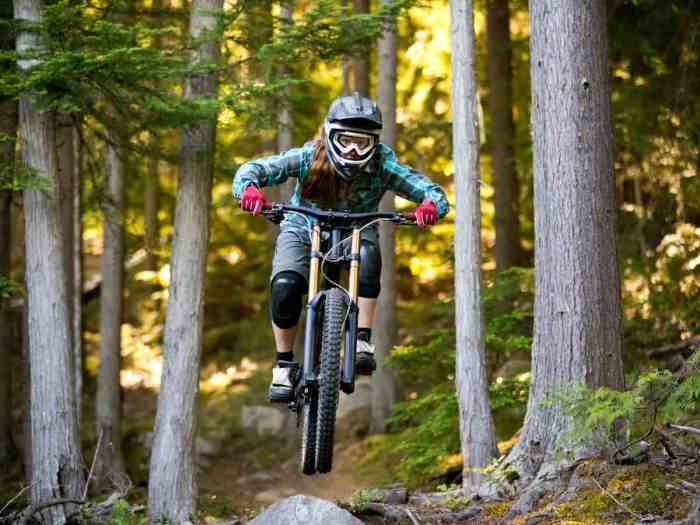
When hitting the trails for a thrilling mountain biking adventure, it is crucial to prioritize safety by wearing the right protective gear. Gear such as helmets, gloves, knee pads, and other protective equipment can make a significant difference in preventing injuries and ensuring a safe ride.
Helmets
Wearing a helmet is non-negotiable when it comes to mountain biking. Helmets protect your head in case of falls or collisions, reducing the risk of serious head injuries. Look for helmets that are certified for cycling safety standards and ensure a proper fit for maximum protection.
Gloves
Gloves are essential for providing grip, protection, and comfort while mountain biking. They help absorb shock, prevent blisters, and improve your grip on the handlebars. Choose gloves with padding on the palms and a snug fit to enhance your overall biking experience.
Knee Pads
Knee pads are vital for shielding your knees from impact during falls or crashes on rugged terrain. They provide cushioning and protection to reduce the risk of knee injuries. Opt for knee pads that are lightweight, breathable, and offer a secure fit to ensure comfort and flexibility during rides.
Other Protective Gear
In addition to helmets, gloves, and knee pads, other protective gear such as elbow pads, body armor, and goggles can offer added protection while mountain biking. Elbow pads protect your elbows from abrasions and impacts, while body armor provides extra protection for your chest, back, and shoulders. Goggles help shield your eyes from dust, debris, and UV rays, enhancing visibility and eye protection on the trails.When choosing protective gear, consider factors such as fit, comfort, breathability, and durability.
Explore different brands and styles available in the market to find gear that suits your preferences and riding style. Prioritizing safety with the right protective gear will not only enhance your performance but also ensure a safer and more enjoyable mountain biking experience.
Clothing for Mountain Biking
When it comes to mountain biking, choosing the right clothing is essential for comfort, performance, and safety on the trails. Proper mountain biking clothing should provide breathability, moisture-wicking properties, and versatility for varying weather conditions.
Suitable Clothing Options
- Mountain biking jerseys: Opt for lightweight, moisture-wicking jerseys to keep you cool and dry during rides.
- Baggy shorts: Choose durable, quick-drying baggy shorts with padding for added comfort during long rides.
- Mountain biking pants: Consider pants with reinforced knees and breathable fabric for protection and comfort on challenging trails.
- Cycling gloves: Wear padded cycling gloves to improve grip, reduce vibrations, and protect your hands during falls.
- Cycling socks: Invest in moisture-wicking, padded cycling socks to prevent blisters and keep your feet dry.
Choosing Breathable and Moisture-Wicking Fabrics
When selecting mountain biking clothing, prioritize materials that offer breathability and moisture-wicking properties to keep you comfortable and dry throughout your ride. Look for fabrics like:
- Merino wool: Known for its natural moisture-wicking and odor-resistant properties.
- Synthetic blends: Polyester and nylon blends are lightweight, quick-drying, and offer good moisture management.
- Ventilated mesh panels: Clothing with strategically placed mesh panels enhance breathability and airflow.
Significance of Wearing Layers
Layering is key when it comes to mountain biking clothing, especially in unpredictable weather conditions. By wearing layers, you can easily adjust your clothing to stay comfortable and regulate your body temperature. Start with a moisture-wicking base layer, add a breathable mid-layer, and top it off with a windproof or waterproof outer layer as needed.
Tools and Maintenance Equipment
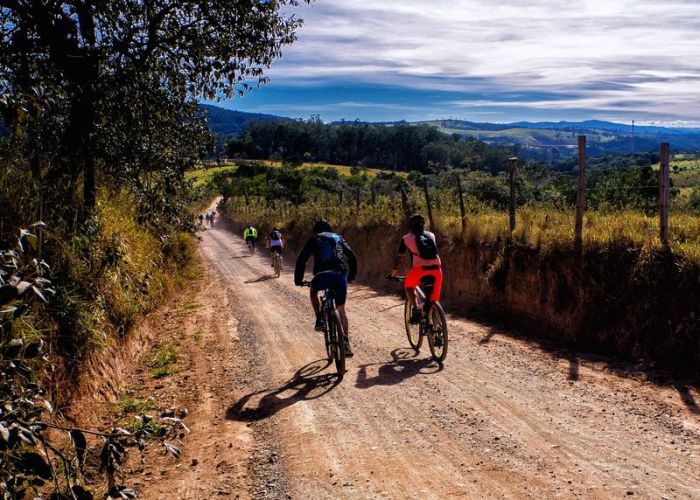
When it comes to mountain biking, having the right tools and maintenance equipment can make all the difference in ensuring a smooth ride. Carrying essential tools and equipment for bike maintenance is crucial for addressing any issues that may arise during your mountain biking trips.
Essential Tools for Bike Maintenance
- A multi-tool: A compact and versatile tool that typically includes allen keys, screwdrivers, and other essentials for making on-the-go adjustments to your bike.
- Tire repair kit: Having a tire repair kit with patches, tire levers, and a small pump can be a lifesaver if you get a flat tire while out on the trails.
- Pump: A portable bike pump is essential for inflating tires to the proper pressure before hitting the trails.
Importance of Carrying Essential Tools
Carrying a multi-tool, tire repair kit, and pump is important because it allows you to quickly address minor issues like loose bolts, flat tires, or low tire pressure without cutting your ride short. These tools can help you avoid being stranded on the trail and ensure you can continue your ride safely.
Significance of Regular Maintenance
Regular maintenance is key to preventing breakdowns during rides. By regularly checking and maintaining your bike, you can identify and address any potential issues before they escalate into major problems. This not only helps prolong the lifespan of your bike but also ensures a smoother and safer riding experience.
Bike Accessories for Mountain Biking
When hitting the trails for a thrilling mountain biking adventure, having the right accessories can make all the difference. From safety to convenience, bike accessories play a crucial role in enhancing your overall experience on the trails.
Bike Lights
- Illuminate your path during early morning or evening rides with powerful bike lights.
- Ensure visibility to others on the trail and increase safety.
- Opt for rechargeable lights for sustainability and long-lasting use.
Hydration Packs
- Stay hydrated on long rides by carrying a hydration pack with a water reservoir.
- Conveniently sip water without having to stop and reach for a water bottle.
- Choose a pack with enough storage for essentials like tools, snacks, and a first aid kit.
Bike Racks
- Transport your mountain bike securely to different trailheads with a bike rack for your vehicle.
- Ensure easy loading and unloading of your bike for hassle-free travel.
- Opt for a rack that is compatible with your vehicle and can accommodate your bike size.
Must-Have Accessories for Beginners and Experienced Riders
- For beginners: Start with essential accessories like a helmet, bike lights, and a hydration pack to prioritize safety and comfort on the trails.
- For experienced riders: Consider investing in advanced accessories like a GPS bike computer, bike repair tools, and a bike rack for more challenging and longer rides.
- Always tailor your accessory choices to your riding style, preferences, and the type of trails you frequent.
Choosing the Right Bike for Mountain Biking
When it comes to choosing the right bike for mountain biking, there are several factors to consider to ensure you get the best fit for your needs. From terrain to riding style, each element plays a crucial role in determining the type of bike that will enhance your mountain biking experience.
Types of Mountain Bikes
- Hardtail Mountain Bikes: These bikes have a suspension fork in the front but no rear suspension. They are lightweight, efficient for climbing, and ideal for smooth trails and cross-country riding.
- Full-Suspension Mountain Bikes: Equipped with both front and rear suspension, these bikes offer better control, comfort, and traction on rough terrains and descents. They are suitable for technical trails and downhill riding.
- Fat Bikes: These bikes feature oversized tires that provide excellent traction and stability on snow, sand, and loose terrain. Fat bikes are perfect for exploring off-the-beaten-path trails and challenging conditions.
Choosing Based on Terrain and Riding Style
- For Smooth Trails and Cross-Country Riding: Opt for a hardtail mountain bike for its lightweight and efficiency in climbing.
- For Technical Trails and Downhill Riding: Consider a full-suspension mountain bike to benefit from improved control and comfort on rough terrains.
- For Snow, Sand, and Challenging Conditions: A fat bike with oversized tires is the best choice to tackle diverse terrains and explore off-the-beaten-path trails.
Safety Tips for Mountain Biking
Riding in different terrains and weather conditions requires specific safety measures to ensure a smooth and secure biking experience. It is crucial to understand the importance of trail etiquette and respecting nature while enjoying the thrill of mountain biking. Moreover, carrying a first aid kit and knowing basic first aid procedures can be life-saving in case of emergencies.
Riding in Different Terrains and Weather Conditions
- Always check weather forecasts before heading out for a ride to prepare for any unexpected changes.
- Adjust your riding style and speed based on the terrain to maintain control and stability.
- Be cautious of loose gravel, rocks, roots, and other obstacles that may cause accidents, especially in challenging terrains.
- Wear appropriate gear like helmets, gloves, and knee pads to protect yourself from injuries in case of falls.
Trail Etiquette and Respecting Nature
- Stay on designated trails and avoid creating new paths to preserve the natural habitat and prevent erosion.
- Yield to other trail users, such as hikers or equestrians, and maintain a courteous attitude towards fellow outdoor enthusiasts.
- Do not disturb wildlife or plants, and refrain from littering to maintain the pristine beauty of the trails.
- Follow any specific trail rules and regulations set by local authorities or trail associations to ensure a harmonious biking experience for all.
Carrying a First Aid Kit and Knowing Basic First Aid Procedures
- Always carry a well-equipped first aid kit containing essentials like bandages, antiseptic wipes, pain relievers, and emergency contact information.
- Learn basic first aid procedures such as treating cuts, bruises, sprains, and minor injuries to provide immediate assistance when needed.
- Attend a first aid training course to enhance your knowledge and skills in handling more serious injuries until professional help arrives.
- Regularly check and replenish your first aid kit to ensure its readiness for any unforeseen incidents during your mountain biking adventures.
Environmental Impact and Sustainability in Mountain Biking
Mountain biking, while a thrilling outdoor activity, can have a significant impact on the environment if not practiced responsibly. It is crucial for mountain bikers to be aware of their environmental footprint and take steps to minimize any negative effects they may have on the natural surroundings.
Minimizing Environmental Impact
- Stay on designated trails to prevent soil erosion and damage to plant life. Avoid creating new trails.
- Respect wildlife by observing from a distance and refraining from feeding or disturbing them.
- Dispose of waste properly by carrying out all trash and recycling items at designated disposal sites.
Sustainable Practices in Mountain Biking
- Participate in trail conservation efforts by volunteering for trail maintenance or restoration projects.
- Practice responsible riding techniques such as yielding to hikers and other trail users, reducing speed in sensitive areas, and avoiding skidding.
- Choose eco-friendly products and materials for gear and equipment to reduce environmental impact.
Importance of Leaving No Trace
- Follow the principle of “leave no trace” by leaving natural habitats as you found them, without disrupting or damaging the ecosystem.
- Avoid picking plants, disturbing rocks, or altering the landscape in any way during your mountain biking adventures.
- Respect the natural environment and leave minimal impact to ensure the preservation of wildlife and habitats for future generations.
Mountain Biking Gear for Specialized Terrain
When tackling specialized terrains like downhill tracks or cross-country trails, having the right gear can make all the difference in performance and safety. Adapting your equipment to challenging environments such as rocky terrains or muddy trails is crucial for a successful ride.
Downhill Tracks
- Full-face helmet for maximum head protection.
- Body armor for added protection against impacts.
- Goggles to shield your eyes from debris and maintain visibility.
- Heavy-duty knee and elbow pads for enhanced safety.
- Flat pedals and sturdy shoes for better grip and control.
Cross-Country Trails
- Lightweight helmet for ventilation and comfort during long rides.
- Breathable and moisture-wicking clothing for temperature regulation.
- Hydration pack or water bottle for staying hydrated on the go.
- Clipless pedals and cycling shoes for efficient power transfer.
- Multi-tool for quick repairs and adjustments on the trail.
Rocky Terrains
- Durable tires with aggressive tread for better traction on rocky surfaces.
- Shock-absorbing suspension system to smooth out rough terrain.
- Protective gear like shin guards and gloves for added safety.
Muddy Trails
- Mud-specific tires with wider spacing between treads for mud shedding.
- Fender to prevent mud splatter and keep you clean.
- Waterproof clothing and gear to stay dry and comfortable in wet conditions.
Epilogue
In conclusion, the world of mountain biking gear and essentials is vast and varied, but with the right knowledge and preparation, every trail becomes an opportunity for exhilarating exploration and unforgettable experiences.
Clarifying Questions
What are some essential items needed for a successful mountain biking experience?
Some essential items include helmets, gloves, knee pads, multi-tool, hydration pack, and bike lights.
How important is it to wear breathable and moisture-wicking fabrics while mountain biking?
Wearing breathable and moisture-wicking fabrics is crucial to stay comfortable and dry during rides, especially in varying weather conditions.
What types of bikes are suitable for different terrains in mountain biking?
Hardtail bikes are great for smoother trails, full-suspension bikes for rougher terrains, and fat bikes for snow or sand.