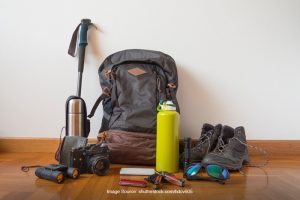
Embark on your kayaking journey with essential safety tips tailored for new paddlers. Discover the key measures to ensure a secure and enjoyable experience on the water.
Learn about the must-have gear, critical techniques, and environmental considerations that will enhance your kayaking safety.
Introduction to Kayaking Safety Tips for New Paddlers

Kayaking is an exciting water sport that offers a unique way to explore the outdoors and connect with nature. However, safety should always be a top priority for paddlers, especially those who are new to the activity. Understanding and following safety measures can prevent accidents and ensure a fun and enjoyable kayaking experience. New paddlers need to pay special attention to safety measures because they may not have the experience or skills to handle unexpected situations on the water.
Without proper knowledge and gear, accidents can happen, leading to injuries or even fatalities. By being aware of potential risks and taking necessary precautions, new paddlers can minimize the chances of accidents while kayaking.Statistics show that common accidents while kayaking include capsizing, collisions with other watercraft, getting stranded due to changing weather conditions, and injury from not wearing proper safety gear.
These examples highlight the importance of being prepared and following safety guidelines to prevent accidents and ensure a safe kayaking journey.
Essential Safety Gear for Kayaking
- Personal Flotation Device (PFD): A PFD is essential to keep you afloat in case of capsizing or falling into the water. It should be worn at all times while kayaking.
- Paddle Leash: A paddle leash prevents your paddle from floating away if you accidentally drop it in the water, ensuring you can continue paddling.
- Whistle or signaling device: A whistle can be used to attract attention in case of an emergency or to communicate with other paddlers.
Understanding Water Conditions and Weather Awareness
- Checking water conditions before kayaking is crucial to assess the water’s temperature, currents, and potential hazards. This information helps you plan your route and avoid dangerous areas.
- Assessing weather conditions is important to ensure safe paddling. Be aware of changing weather patterns, wind speed, and potential storms that could affect your kayaking trip.
- Wind, currents, and tides can impact your kayaking safety by affecting your speed and direction. Understanding these factors can help you navigate safely and avoid getting into difficult situations.
Basic Kayaking Techniques for New Paddlers
- Learn proper paddling techniques to maneuver your kayak efficiently and prevent accidents. Techniques such as forward stroke, sweep stroke, and edging can help you control your kayak in different situations.
- Proper paddling techniques can improve your stability, speed, and control over your kayak, reducing the risk of capsizing or getting stranded.
- Practice maneuvering your kayak in calm waters before venturing into more challenging environments to build confidence and skills.
Safety Guidelines for Kayaking in Different Environments
- Adapt safety measures based on the type of water body you are kayaking in, whether it’s a river, lake, or ocean. Each environment presents unique challenges that require specific safety precautions.
- Handle challenges such as strong currents, waves, or unpredictable weather conditions by being prepared and knowing how to respond effectively.
- Stay alert and adapt your paddling techniques based on the environment to ensure a safe and enjoyable kayaking experience.
Emergency Preparedness and Rescue Techniques
- Know the steps to take in case of an emergency, such as capsizing or getting stranded. Stay calm, assess the situation, and act quickly to ensure your safety and the safety of others.
- Learn basic rescue techniques, such as how to assist a fellow paddler in distress or how to re-enter your kayak after capsizing. These skills can be life-saving in emergency situations.
- Carry communication devices like a waterproof phone case or a VHF radio to call for help if needed. Signaling devices such as a whistle or a flare can also attract attention in case of an emergency.
Training and Certification for Safe Kayaking
- Formal training and certification programs offer valuable knowledge and skills for safe kayaking. They cover topics such as safety guidelines, paddling techniques, and emergency procedures.
- New paddlers can receive training from certified instructors or through kayaking organizations that offer courses and workshops. These programs help build confidence and competence in kayaking.
- Training programs not only enhance safety but also improve paddling skills, navigation abilities, and overall enjoyment of the kayaking experience.
Common Mistakes to Avoid for New Kayakers
- Avoid common mistakes such as overestimating your abilities, not wearing a PFD, or paddling in unfamiliar waters without proper preparation. These errors can lead to accidents and jeopardize your safety.
- Learn from others’ mistakes by understanding the causes of accidents and how they can be prevented. By being aware of potential risks and taking necessary precautions, you can ensure a safe and enjoyable kayaking experience.
- Stay informed, follow safety guidelines, and continuously improve your skills to become a responsible and safe kayaker. By avoiding common mistakes, you can enhance your safety on the water and make the most of your kayaking adventures.
Shopping Vacation
Shopping vacations have become increasingly popular among travelers looking to explore unique shopping destinations while indulging in retail therapy. These vacations offer a mix of cultural immersion, leisure, and the thrill of discovering new products and styles.
Tips for Planning a Shopping Vacation
- Research the shopping destinations in advance to prioritize your must-visit stores and markets.
- Set a budget to avoid overspending and make the most of your shopping experience.
- Plan your itinerary to include a mix of local markets, designer boutiques, and specialty stores.
- Consider the local cuisine and dining options around shopping areas for a well-rounded experience.
Unique Shopping Destinations Around the World
-
Tokyo, Japan:
Explore the vibrant districts of Shibuya and Harajuku for trendy fashion and quirky accessories.
-
Dubai, UAE:
Indulge in luxury shopping at the Dubai Mall or traditional souks for unique Middle Eastern goods.
-
Milan, Italy:
Immerse yourself in high-end fashion and designer brands in the fashion capital of Italy.
-
Istanbul, Turkey:
Discover the Grand Bazaar for a treasure trove of carpets, spices, and traditional Turkish goods.
Concluding Remarks

As you paddle away, equipped with these safety tips, remember to prioritize your well-being on every kayaking adventure. Stay safe, stay informed, and enjoy the thrill of the open water responsibly.
Popular Questions
What should I do if my kayak capsizes?
If your kayak capsizes, stay calm, hold onto the kayak, and try to flip it back over. Practice self-rescue techniques beforehand.
Is it necessary to wear a life jacket while kayaking?
Yes, wearing a life jacket is crucial for safety. It provides buoyancy and can save your life in case of an emergency.
How can I prevent shoulder injuries while kayaking?
Proper paddling technique and taking breaks to stretch can help prevent shoulder injuries. Avoid overexertion.
What should I do if I encounter strong winds while kayaking?
Try to paddle into the wind at an angle for better control. Seek shelter or land if the wind conditions become too challenging.
Do I need to check weather conditions before kayaking?
Yes, always check weather forecasts and water conditions before heading out. Avoid kayaking in severe weather.