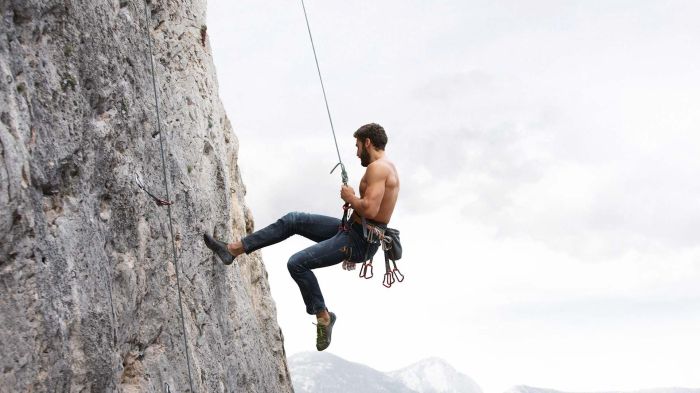
Embark on a journey to explore the intricate connection between rock climbing and environmental conservation. As climbers scale new heights, they also navigate the delicate balance of preserving nature’s beauty.
From sustainable practices to community engagement, this discussion delves deep into the impact of rock climbing on our environment and how climbers can inspire conservation efforts.
Overview of Rock Climbing and Environmental Conservation
Rock climbing and environmental conservation are intricately linked, as the sport often takes place in natural settings that need to be protected and preserved. While rock climbing can have both positive and negative impacts on the environment, there are many initiatives and organizations within the rock climbing community that promote sustainable practices and conservation efforts.
Positive Impacts of Rock Climbing on the Environment
- Encourages appreciation for nature and instills a sense of responsibility towards the environment.
- Promotes physical activity and a healthy lifestyle, fostering a connection between individuals and the natural world.
- Supports local economies in rural areas where climbing destinations are often located.
- Engages climbers in conservation projects, such as trail maintenance and clean-up efforts.
Negative Impacts of Rock Climbing on the Environment
- Soil erosion and damage to vegetation caused by climbers moving off designated paths or anchors.
- Disturbance to wildlife due to noise pollution and human presence in sensitive habitats.
- Trash left behind by climbers, impacting the aesthetic beauty of climbing areas and posing hazards to wildlife.
- Overcrowding at popular climbing sites leading to environmental degradation and conflicts with other recreational users.
Initiatives and Organizations Promoting Environmental Conservation in Rock Climbing
- The Access Fund: Works to protect climbing areas, conserve the environment, and educate climbers on responsible practices.
- Leave No Trace: Promotes principles of minimizing impact and leaving nature as you found it, focusing on outdoor ethics for all recreational activities.
- Climbers for Climate: Raises awareness about the impacts of climate change on climbing areas and advocates for sustainability within the climbing community.
Sustainable Practices in Rock Climbing
Rock climbers can adopt various sustainable practices to minimize their environmental impact while enjoying their outdoor adventures.
Leave No Trace Principles
The Leave No Trace principles are guidelines designed to promote responsible outdoor recreation and conservation. When it comes to rock climbing, climbers can follow these principles to minimize their impact on the environment:
- Avoid damaging vegetation and wildlife habitats.
- Pack out all trash, including food scraps and human waste.
- Stay on designated trails to prevent soil erosion.
- Minimize noise pollution to preserve the natural soundscape.
- Respect wildlife by observing from a safe distance.
Importance of Ethical Climbing Behavior
Engaging in ethical climbing behavior is crucial for preserving natural areas and ensuring the sustainability of rock climbing as a recreational activity. Climbers can contribute to conservation efforts by:
- Following established climbing routes to prevent unnecessary impact on the environment.
- Practicing proper anchor techniques to avoid damaging rock formations.
- Participating in clean-up events to remove trash and debris left behind by others.
- Supporting local conservation initiatives and organizations dedicated to preserving climbing areas.
Conservation of Climbing Areas

Preserving climbing areas is crucial for ensuring that future generations can continue to enjoy these natural spaces for recreational activities like rock climbing. Without conservation efforts, these areas could be at risk of degradation or even closure.
Significance of Preserving Climbing Areas
- Preserving climbing areas helps maintain biodiversity by protecting the habitats of various plant and animal species.
- It allows climbers to connect with nature and appreciate the beauty of the natural environment.
- Conservation efforts help prevent erosion and other forms of environmental damage that can result from heavy foot traffic in climbing sites.
Challenges in Maintaining Ecological Balance
- Overuse of climbing areas can lead to soil erosion, damage to vegetation, and disturbance of wildlife habitats.
- Improper waste disposal by climbers can pollute the environment and harm local ecosystems.
- Balancing the needs of climbers with the preservation of natural areas can be a delicate task, requiring careful management and planning.
Successful Conservation Efforts in Popular Climbing Destinations
- In Yosemite National Park, efforts to limit the number of climbers on popular routes have helped reduce environmental impact.
- The Red River Gorge Climbers’ Coalition in Kentucky has worked to acquire land and establish conservation easements to protect climbing areas.
- Organizations like the Access Fund and Leave No Trace promote responsible climbing practices and environmental stewardship among climbers.
Community Engagement and Environmental Awareness
Community engagement plays a crucial role in raising awareness about environmental issues within the climbing community. By coming together, climbers can make a positive impact on the conservation of climbing areas and natural resources.
Role of Climbers in Environmental Awareness
- Organizing clean-up drives and conservation projects to maintain the cleanliness and sustainability of climbing areas.
- Participating in educational programs to learn about environmental conservation and spreading awareness among fellow climbers.
- Collaborating with local authorities and environmental organizations to implement sustainable practices in climbing activities.
Experiences of Climbers in Conservation Projects
- Sharing experiences of climbers who actively participate in clean-up drives and restoration projects to protect the natural habitats surrounding climbing areas.
- Highlighting the sense of fulfillment and community bonding that comes from working together towards a common goal of environmental preservation.
- Discussing the impact of conservation efforts on the overall ecosystem health and biodiversity of climbing locations.
Benefits of Environmental Responsibility Among Climbers
- Fostering a culture of environmental responsibility among climbers leads to a greater appreciation for nature and a sense of stewardship towards the environment.
- Promoting sustainable practices in rock climbing reduces the ecological footprint and minimizes the impact on fragile ecosystems.
- Creating a positive influence on other outdoor enthusiasts and visitors to prioritize environmental conservation in all outdoor activities.
Impact of Climate Change on Climbing Environments
Climate change is having a profound impact on climbing environments worldwide, posing significant challenges to the sport of rock climbing. The increase in global temperatures, extreme weather events, melting glaciers, and shifting ecosystems are all affecting climbing areas in various ways.
Strategies for Adapting to Environmental Changes in Climbing Areas
- Implementing sustainable climbing practices to minimize environmental impact.
- Regular monitoring and assessment of climbing routes for safety and environmental concerns.
- Collaborating with local communities and environmental organizations to develop conservation plans.
- Participating in reforestation efforts and trail maintenance to restore damaged areas.
- Supporting policies and initiatives that promote climate action and protect natural habitats.
Long-term Implications of Climate Change on the Sport of Rock Climbing
The long-term implications of climate change on rock climbing are significant and multifaceted. As climbing environments continue to undergo changes, climbers may face increasing challenges in accessing traditional routes and may need to adapt to new conditions. The loss of iconic climbing sites due to environmental degradation or natural disasters could have lasting impacts on the sport and its community. Additionally, the need for sustainable practices and conservation efforts will become more critical to ensure the preservation of climbing areas for future generations.
How Rock Climbing Can Inspire Conservation Efforts
Rock climbing, with its inherent connection to nature and the environment, has the power to inspire individuals to become passionate environmental stewards. The adventurous spirit and love for the outdoors that climbers possess often translate into a deep sense of responsibility towards preserving the natural world for future generations.
Examples of Climbers Advocating for Conservation Causes
- Renowned climber Alex Honnold, famous for his daring free solo ascents, has used his platform to advocate for environmental conservation. Through partnerships with organizations like the Access Fund and his own Honnold Foundation, he works to protect climbing areas and promote sustainable practices.
- Mayan Smith-Gobat, a professional climber and environmental activist, has been vocal about the impact of climate change on climbing environments. She actively engages in initiatives to raise awareness about the importance of protecting natural landscapes and wildlife habitats.
Rock Climbing as a Tool for Promoting Environmental Activism
Rock climbing serves as a powerful tool for promoting environmental activism by fostering a deep connection between individuals and the natural world. Climbers who spend time in outdoor spaces are more likely to witness firsthand the beauty of nature and the threats it faces, leading them to take action to protect it.
By immersing themselves in the wilderness, climbers develop a strong bond with the environment, driving them to advocate for its preservation.
Final Conclusion
In conclusion, Rock Climbing and Environmental Conservation intertwine to create a harmonious relationship between adventure and sustainability. As we reflect on the profound influence climbers have on nature, it becomes evident that this dynamic sport holds the power to inspire positive change and environmental stewardship.
Clarifying Questions
How can rock climbing positively impact the environment?
Rock climbing can foster a deeper appreciation for nature, leading to increased conservation efforts and environmental awareness among climbers.
What are Leave No Trace principles in rock climbing?
Leave No Trace principles emphasize minimizing environmental impact by practicing responsible outdoor ethics, such as packing out waste and staying on designated paths.
How can climbers contribute to preserving climbing areas?
Climbers can support conservation efforts by volunteering for clean-up initiatives, following ethical climbing practices, and advocating for the protection of climbing sites.