Embark on adrenaline-pumping journeys with the right gear and equipment for adventure sports. From the rugged mountains to the vast oceans, be prepared for the ultimate thrill!
Discover the tools that make every adventure unforgettable and the technology shaping the future of gear in this exciting world of extreme sports.
Adventure Sports Gear and Equipment
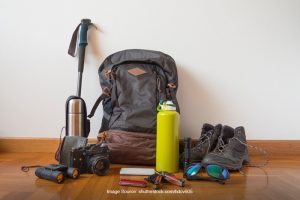
Adventure sports require specific gear and equipment to ensure safety and enhance the overall experience. Whether you are into rock climbing, kayaking, mountain biking, or any other adventurous activity, having the right gear is crucial.
Essential Gear for Adventure Sports
- Helmet: Protects your head from impact during falls or collisions.
- Harness: Essential for activities like rock climbing and rappelling to secure you to the ropes.
- Climbing Shoes: Provide grip and support while climbing rocks or boulders.
- PFD (Personal Flotation Device): Necessary for water sports like kayaking, rafting, or paddleboarding to keep you afloat.
- Tent and Sleeping Bag: For overnight adventures or camping trips in the wilderness.
Importance of Quality Equipment
Quality gear is essential in adventure sports as it directly impacts your safety and performance. Inferior equipment can lead to accidents, injuries, or equipment failure, jeopardizing your well-being during the activity. Investing in high-quality gear ensures reliability and durability, giving you peace of mind while pushing your limits in the outdoors.
Technology’s Influence on Adventure Sports Gear
Advancements in technology have revolutionized the design and functionality of adventure sports gear. From materials that are lightweight yet durable to innovative features that enhance performance, technology has made gear more efficient and user-friendly. For example, GPS devices for navigation, moisture-wicking fabrics for clothing, and carbon fiber components for strength and weight savings are just a few ways technology has transformed adventure sports equipment.
Shopping Vacation
Planning a shopping vacation can be an exciting way to explore new destinations while indulging in retail therapy. Whether you’re looking for unique souvenirs, designer brands, or local crafts, a shopping vacation can offer a mix of leisure and cultural experiences.
Popular Shopping Vacation Destinations
- Paris, France: Known for its high-end fashion boutiques and iconic department stores like Galeries Lafayette.
- Tokyo, Japan: Offers a blend of traditional markets, modern malls, and quirky street fashion in neighborhoods like Harajuku.
- Dubai, UAE: Home to luxurious shopping centers, including the Dubai Mall and the Mall of the Emirates.
- New York City, USA: Boasts a diverse range of shopping options, from flagship stores on Fifth Avenue to trendy boutiques in SoHo.
Benefits of Combining Leisure Travel with Shopping
1. Cultural Immersion: Shopping in local markets or boutiques can provide insight into the traditions and craftsmanship of a destination.
2. Relaxation: Taking a break from sightseeing to shop can be a relaxing way to unwind and recharge during a vacation.
3. Unique Finds: Shopping vacations offer the opportunity to discover one-of-a-kind items and souvenirs that may not be available elsewhere.
4. Social Experience: Shopping in bustling markets or malls can be a social activity, interacting with locals and other travelers.
Arctic and Polar Expeditions
Arctic and Polar expeditions present a unique set of challenges and rewards for adventurers seeking to explore these extreme environments. From freezing temperatures to vast icy landscapes, these expeditions require careful planning, specialized gear, and a resilient spirit to conquer.
Challenges and Rewards
Arctic and Polar expeditions offer unparalleled opportunities to witness breathtaking natural beauty and wildlife in some of the most remote regions on Earth. However, these expeditions also come with significant challenges, including navigating treacherous terrain, enduring extreme cold temperatures, and facing unpredictable weather conditions.
Necessary Equipment for Surviving Extreme Cold Weather Conditions
When embarking on Arctic and Polar expeditions, adventurers must be equipped with the right gear to ensure their safety and comfort in harsh conditions. Essential equipment includes insulated clothing, high-quality winter boots, thermal sleeping bags, tents designed for cold weather, cooking supplies for melting snow for drinking water, and navigation tools for tracking their route through the icy wilderness.
Impact of Climate Change on Arctic and Polar Expeditions
Climate change has had a profound impact on the Arctic and Polar regions, leading to rapidly melting ice caps, shifting wildlife populations, and changing weather patterns. As a result, adventurers undertaking these expeditions must adapt to the evolving environment and take measures to minimize their ecological footprint. Additionally, the increased unpredictability of weather conditions due to climate change poses additional risks for those exploring these remote areas.
Music Festival Tour
Embarking on a music festival tour is an exciting way to immerse yourself in different types of music, cultures, and experiences. From electronic dance music to rock and roll, there are various music festivals held around the world that cater to different tastes and preferences.
Types of Music Festivals
- Rock Festivals: These festivals feature bands and artists from the rock genre, ranging from classic rock to alternative rock.
- Electronic Dance Music (EDM) Festivals: Known for their high-energy performances and electronic beats, these festivals are popular among dance music enthusiasts.
- Pop Music Festivals: Celebrating mainstream pop artists and bands, these festivals attract a wide range of music lovers.
- Folk and Indie Festivals: Highlighting indie artists and folk music traditions, these festivals offer a laid-back and intimate atmosphere.
Preparing for a Music Festival Tour
When gearing up for a music festival tour, it’s essential to consider the following:
- Comfortable Clothing: Opt for breathable and comfortable clothing to withstand long hours of dancing and standing.
- Footwear: Choose sturdy and comfortable shoes to navigate through crowds and uneven terrain.
- Backpack: Carry a lightweight backpack to store essentials like water bottles, sunscreen, and snacks.
- Portable Charger: Ensure your devices stay charged throughout the festival with a portable charger.
- Camping Gear (if applicable): If attending multi-day festivals with camping options, pack a tent, sleeping bag, and camping essentials.
Rainforest Exploration
Rainforest exploration plays a crucial role in biodiversity conservation by allowing scientists and researchers to study diverse ecosystems and species that inhabit these lush environments. By understanding the intricate connections within rainforests, we can work towards preserving these invaluable habitats for future generations.
Gear and Equipment for Rainforest Exploration
When embarking on a rainforest exploration trip, it is essential to pack the right gear and equipment to ensure a safe and successful journey:
- Sturdy hiking boots with good traction to navigate through slippery terrain.
- Lightweight and breathable clothing to withstand the humid and hot conditions.
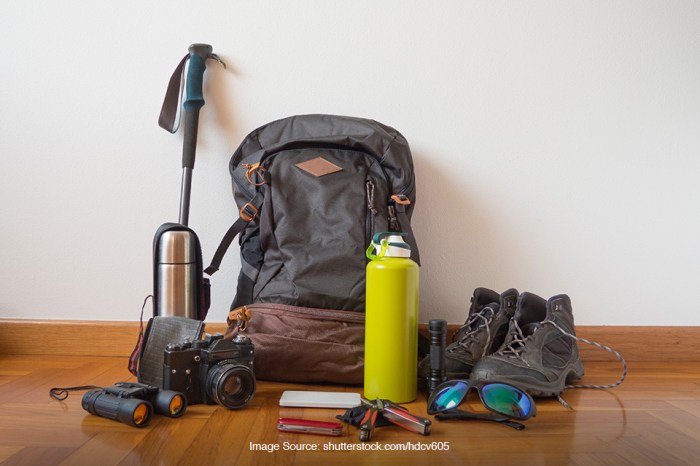
- A reliable backpack to carry essentials such as water, snacks, first aid kit, and navigation tools.
- Insect repellent and sunscreen to protect against bites and sun exposure.
- A waterproof jacket and gear to stay dry during sudden rain showers.
- Binoculars and a camera to observe and document the diverse wildlife.
Ethical Considerations in Rainforest Exploration
Exploring delicate rainforest ecosystems comes with ethical responsibilities to ensure minimal impact on the environment and local communities:
- Stay on designated trails to avoid trampling on fragile vegetation and disturbing wildlife.
- Respect the local culture and traditions of indigenous communities living in or near the rainforest.
- Avoid littering and pack out all trash to keep the environment clean and pristine.
- Do not collect or disturb plants, animals, or artifacts found in the rainforest.
- Support eco-friendly tour operators and accommodations that prioritize sustainable practices.
Spiritual Pilgrimage
A spiritual pilgrimage is a journey undertaken for spiritual growth, reflection, or religious reasons. It often involves visiting sacred sites, connecting with nature, and seeking inner peace and enlightenment.
Famous Spiritual Pilgrimage Sites
There are numerous famous spiritual pilgrimage sites around the world that attract millions of pilgrims each year. Some examples include:
- 1. Mecca, Saudi Arabia – The holiest city in Islam, where Muslims from around the world gather for the annual Hajj pilgrimage.
- 2. Varanasi, India – A sacred city for Hindus, believed to be the oldest continuously inhabited city in the world.
- 3. Lourdes, France – A major pilgrimage site for Catholics, known for its healing waters.
- 4. Jerusalem, Israel – A holy city for Jews, Christians, and Muslims, with significant religious sites like the Western Wall and the Church of the Holy Sepulchre.
Gear and Equipment for Spiritual Pilgrimage
While spiritual pilgrimage is more about the inner journey than the external trappings, having the right gear and equipment can enhance the experience and make the journey more comfortable. Some essential items for a spiritual pilgrimage may include:
- A comfortable backpack to carry essentials like water, snacks, and a shawl or scarf for covering up in sacred places.
- Comfortable walking shoes for long hours of walking and standing at pilgrimage sites.
- A journal or notebook for recording thoughts, reflections, and experiences during the pilgrimage.
- A camera or smartphone to capture memorable moments and sacred sites along the journey.
Geotourism Adventure
Geotourism involves exploring and appreciating the geological features of a region while promoting conservation and sustainable travel practices. It focuses on the unique geological aspects of a location and the cultural and natural heritage intertwined with them.
Importance of Geotourism
Geotourism plays a crucial role in raising awareness about the Earth’s geological diversity, promoting conservation of geological sites, and supporting local communities economically through tourism. It helps visitors understand the significance of geological features and their impact on the environment.
- Preservation of Geological Sites: Geotourism encourages the preservation of unique geological formations and landscapes, safeguarding them for future generations.
- Educational Opportunities: Visitors can learn about the geological history of a region, understanding the forces that shaped the Earth over millions of years.
- Sustainable Tourism Practices: Geotourism promotes responsible travel, minimizing the negative impact on fragile geological sites and supporting local conservation efforts.
Geological Features that Attract Geotourists
Geotourists are drawn to locations with exceptional geological formations and landscapes that showcase the Earth’s history and diversity. Some of the geological features that attract geotourists include:
- Volcanoes and Geysers: Active or dormant volcanoes, geysers, and hot springs offer insight into the Earth’s internal processes and volcanic activity.
- Fossils and Paleontological Sites: Sites with well-preserved fossils provide a glimpse into prehistoric life and evolution, attracting paleontology enthusiasts.
- Canyons and Caves: Spectacular canyons, caves, and underground formations offer opportunities to explore unique geological formations and underground ecosystems.
Gear Needed for Geotourism Adventure
Exploring geological sites during a geotourism adventure requires specific gear to ensure safety, comfort, and enjoyment. Some essential gear for a geotourism adventure includes:
- Sturdy Hiking Boots: Durable hiking boots with good traction are essential for navigating rugged terrain and rocky surfaces.
- Geological Hammer: A geological hammer is useful for examining rock formations, collecting samples, and uncovering fossils.
- Field Guide and Maps: Carrying a field guide and geological maps helps in identifying different rock types, formations, and understanding the geological history of the area.
- Protective Gear: Depending on the location, protective gear such as helmets, gloves, and safety glasses may be necessary for exploring certain geological sites.
Birdwatching Vacation
Birdwatching as a vacation activity offers a unique opportunity to connect with nature, relax, and observe a wide variety of bird species in their natural habitats. It provides a chance to unwind, destress, and immerse oneself in the beauty of the outdoors.
Benefits of Birdwatching Vacation
- Opportunity to observe and appreciate diverse bird species in their natural habitats
- Enhances mindfulness and connection with nature
- Provides a sense of relaxation and tranquility
- Offers a chance for outdoor physical activity while enjoying the scenery
Essential Equipment for Birdwatching Enthusiasts
- Binoculars: essential for observing birds from a distance
- Field guide: helps in identifying different bird species
- Camera or smartphone: for capturing memorable moments and bird sightings
- Comfortable clothing and footwear: suitable for outdoor exploration
- Notebook and pen: for recording observations and details about bird sightings
Tips on Choosing the Best Destinations for a Birdwatching Vacation
- Research birdwatching hotspots: look for locations known for their diverse bird populations
- Consider the time of year: certain seasons attract specific bird species, so plan your trip accordingly
- Find guided birdwatching tours: local experts can enhance your birdwatching experience and help you spot elusive species
- Check for birdwatching facilities: choose destinations with bird hides, observation towers, or designated birdwatching areas
Remote Island Retreat
Remote island retreats offer a unique and serene getaway for travelers seeking isolation and tranquility amidst stunning natural landscapes.
The Appeal of Remote Island Retreats
Remote island retreats appeal to travelers looking to disconnect from the hustle and bustle of daily life and immerse themselves in untouched nature. The sense of seclusion and exclusivity, along with the opportunity to explore pristine beaches, lush forests, and crystal-clear waters, makes these destinations truly special.
Challenges of Planning a Trip to a Remote Island
- Limited transportation options: Remote islands may have infrequent or unreliable transportation services, making it challenging to reach them.
- Supply and provisioning difficulties: Given the remote location, stocking up on essentials like food, water, and medical supplies can be a logistical challenge.
- Communication and connectivity issues: Remote islands may lack reliable internet or phone services, making it hard to stay connected with the outside world.
Gear and Equipment for a Remote Island Stay
- Waterproof and durable camping gear: Tents, sleeping bags, and camping stoves are essential for accommodation and cooking on a remote island.
- Navigation tools: GPS devices, maps, and compasses are crucial for exploring the island safely and finding your way back to your base.
- First aid kit: A well-stocked first aid kit is essential for handling any medical emergencies that may arise during your stay.
- Water purification system: Since clean water sources may be scarce, a portable water filter or purification tablets are necessary to ensure safe drinking water.
- Protective clothing and gear: Sunscreen, insect repellent, sturdy hiking boots, and lightweight, quick-drying clothing are important for staying comfortable and safe in varying island conditions.
Volunteer Vacation

Volunteer vacations are a unique way to travel while giving back to communities in need. Participants volunteer their time and skills to support various causes, such as environmental conservation, community development, education, and healthcare. These experiences not only make a positive impact on the communities visited but also provide volunteers with a meaningful and rewarding travel experience.
Examples of Volunteer Vacation Opportunities
- Building homes with Habitat for Humanity in countries like Guatemala or Nepal.
- Assisting with wildlife conservation projects in South Africa or Costa Rica.
- Teaching English to children in schools in Thailand or Tanzania.
- Supporting sustainable farming initiatives in Peru or India.
- Providing medical aid in underserved communities in Haiti or Cambodia.
Gear and Supplies for Volunteer Vacation Participants
When embarking on a volunteer vacation, it is essential to pack the right gear and supplies to ensure a comfortable and successful experience. Here are some items that volunteers may need:
- Durable and comfortable clothing suitable for the project environment.
- Sturdy footwear for walking or hiking in varied terrain.
- Personal hygiene products and medications.
- Basic first aid kit and insect repellent.
- Reusable water bottle and snacks for sustenance.
- Sunscreen, hat, and sunglasses for sun protection.
- Work gloves, tools, or equipment specific to the volunteer project.
Farm Stay Vacation
Embarking on a farm stay vacation offers a unique opportunity to immerse yourself in nature and experience the rhythm of rural life. It provides a chance to disconnect from the hustle and bustle of city living and reconnect with the natural world.
Experience of a Farm Stay Vacation
During a farm stay vacation, guests typically have the opportunity to participate in various farm activities such as feeding animals, harvesting crops, and milking cows. This hands-on experience allows visitors to gain a deeper appreciation for where their food comes from and the hard work that goes into farming.
Benefits of Connecting with Nature through Farm Stays
- Reconnecting with nature: Farm stays offer a peaceful retreat from urban life, allowing guests to relax in a serene environment surrounded by natural beauty.
- Educational experience: Guests can learn about sustainable farming practices, animal care, and the importance of agriculture in a hands-on way.
- Farm-to-table dining: Enjoy fresh, locally sourced meals made with ingredients straight from the farm, promoting a healthy and sustainable lifestyle.
- Physical activity: Engaging in farm chores and outdoor activities provides a fun way to stay active and fit during your vacation.
Tips for Preparing for a Farm Stay Vacation
- Comfortable clothing: Pack clothes that you don’t mind getting dirty, such as jeans, t-shirts, and sturdy shoes for walking around the farm.
- Protection from the elements: Bring sunscreen, hats, and rain gear to be prepared for any weather conditions while outdoors on the farm.
- Personal care items: Don’t forget essentials like insect repellent, hand sanitizer, and any medications you may need during your stay.
- Open mind: Approach the farm stay experience with curiosity and a willingness to try new things, whether it’s milking a cow or picking fresh produce.
Educational Vacation
An educational vacation is a unique travel experience that combines leisure with learning. It allows travelers to explore new destinations while gaining knowledge about the local culture, history, environment, or specific subjects of interest. Educational vacations offer a chance to broaden one’s horizons, enhance personal growth, and create lasting memories through immersive experiences.
Popular Educational Vacation Destinations
- Italy: Explore the art, history, and architecture of cities like Rome, Florence, and Venice.
- Costa Rica: Learn about sustainable living, biodiversity, and conservation in the rainforests and beaches.
- Japan: Immerse yourself in Japanese culture, traditions, and cuisine while visiting temples and historic sites.
- Egypt: Discover the ancient wonders of Egypt, including the pyramids, temples, and museums.
Gear and Equipment for Educational Vacation
When embarking on an educational vacation, it is essential to pack the right gear and equipment to make the most of the experience. Here are some items to consider:
- Comfortable walking shoes for exploring historical sites and natural attractions.
- A lightweight backpack to carry essentials such as water, snacks, sunscreen, and a camera.
- Guidebooks or maps to learn more about the destinations and navigate your way around.
- A journal or notebook to record your reflections, observations, and new learnings during the trip.
- Language phrasebook or translation app to communicate with locals and enhance cultural immersion.
- Reusable water bottle to stay hydrated while reducing plastic waste during your travels.
Hiking and Trekking
Hiking and trekking are popular outdoor activities that involve walking long distances in natural environments. While they share similarities, there are distinct differences between the two.
Differences between Hiking and Trekking
- Hiking is typically a day-long activity that involves walking on well-marked trails, while trekking involves multi-day journeys through more rugged terrain.
- Hiking is usually done at a leisurely pace, focusing on enjoying the scenery and nature, while trekking requires more endurance and stamina.
- Trekking often requires camping overnight and carrying heavier backpacks with supplies, while hiking may only involve carrying essentials for the day.
Essential Gear for Hiking and Trekking Adventures
- Comfortable and sturdy hiking boots or trekking shoes to provide support and traction on various terrains.
- Appropriate clothing layers to regulate body temperature and protect from the elements.
- A reliable backpack to carry essentials such as water, snacks, first aid kit, navigation tools, and extra clothing.
- Navigational tools such as a map, compass, or GPS device to stay on course and avoid getting lost.
- Sun protection gear like sunglasses, sunscreen, and a hat to shield from UV rays.
Safety Tips for Hikers and Trekkers
- Always inform someone about your hiking or trekking plans, including your expected return time and route.
- Stay hydrated by drinking plenty of water throughout the journey and carry a water purification method if needed.
- Be aware of the weather forecast and prepare for changing conditions by bringing extra clothing layers and rain gear.
- Stay on marked trails and follow local regulations to protect the environment and minimize risks.
- Know your limits and pace yourself to avoid exhaustion or injuries during the hike or trek.
Camping
Camping is a popular recreational activity that allows individuals to connect with nature, unwind from the hustle and bustle of everyday life, and create lasting memories with loved ones. Whether you prefer pitching a tent in the mountains, by the beach, or in a forest, camping offers a unique way to experience the great outdoors.
Types of Camping Gear and Equipment
- Tent: Provides shelter and protection from the elements.
- Sleeping bag: Keeps you warm and comfortable during the night.
- Camp stove and cookware: Essential for preparing meals at the campsite.
- Flashlight or headlamp: A must-have for navigating in the dark.
- Camping chairs and table: Adds comfort and convenience to your campsite.
Tips for Setting Up a Comfortable Campsite and Ensuring Safety
- Choose a flat and dry spot for pitching your tent to avoid any discomfort or water pooling.
- Set up a designated cooking area away from your tent to prevent any fire hazards.
- Bring along a first aid kit with essential supplies for treating minor injuries or ailments.
- Follow Leave No Trace principles to minimize your impact on the environment and wildlife.
- Inform someone of your camping location and expected return time for safety purposes.
Cycling and Mountain Biking
Cycling and mountain biking are two popular adventure sports that offer unique experiences for outdoor enthusiasts. While both activities involve riding a bike, there are significant differences between the two in terms of terrain, gear, and skill level required.
Comparing Cycling and Mountain Biking
Cycling typically involves riding on paved roads or designated bike paths, making it a more accessible and beginner-friendly activity. On the other hand, mountain biking takes riders off-road onto rugged trails with varying terrain, such as steep inclines, rocky paths, and obstacles like tree roots. This makes mountain biking a more challenging and adrenaline-pumping adventure sport compared to regular cycling.
Specialized Gear for Mountain Biking
Mountain biking requires specialized gear to ensure safety and optimal performance on rough terrains. Some essential gear for mountain biking includes a full-suspension mountain bike with knobby tires for better traction, a helmet for protection, gloves for grip and hand protection, knee and elbow pads for added safety, and hydration packs to stay hydrated during long rides. Unlike regular cycling, mountain biking gear is designed to withstand the rigors of off-road trails and provide additional protection for riders.
Benefits of Cycling and Mountain Biking Adventures
Exploring nature through cycling and mountain biking adventures offers numerous benefits for both physical and mental well-being. These activities provide a great cardiovascular workout, improve endurance and strength, and help reduce stress levels by immersing riders in natural surroundings. Cycling and mountain biking allow enthusiasts to discover hidden trails, explore scenic landscapes, and connect with the environment in a unique way.
Additionally, these adventures promote a sense of accomplishment and boost confidence as riders conquer challenging terrains and obstacles.
Fishing and Angling
Fishing and angling are both popular recreational activities that involve catching fish, but there is a slight difference between the two. Fishing is a broad term that encompasses all methods of catching fish, including using nets, traps, and spears. On the other hand, angling refers specifically to the practice of catching fish with a hook and line.
Gear and Equipment for Fishing and Angling
When heading out for a fishing or angling trip, it’s essential to have the right gear and equipment to ensure a successful and enjoyable experience. Here are some of the key items you’ll need:
- Fishing rod and reel
- Fishing line and hooks
- Bait or lures
- Fishing tackle box to store your gear
- Fishing net or gaff for landing fish
- Sun protection (hat, sunglasses, sunscreen)
- Proper clothing and footwear
- Cooler or insulated bag for storing caught fish
Sustainable Fishing Practices and Conservation Efforts
It’s important to practice sustainable fishing to ensure the long-term health of fish populations and their habitats. Here are some tips for sustainable fishing and conservation efforts:
- Follow catch limits and size regulations to prevent overfishing
- Handle fish with care and release them gently if you are practicing catch and release
- Dispose of fishing line and other waste properly to prevent harm to wildlife
- Support organizations and initiatives that work towards marine conservation and sustainable fisheries
Kayaking and Canoeing
Kayaking and canoeing are not only exciting water sports but also offer numerous physical and mental health benefits. These activities provide a great full-body workout, helping to improve cardiovascular health, muscle strength, and overall fitness levels. Additionally, being out in nature and surrounded by water can have a calming effect on the mind, reducing stress and promoting mental well-being.
Essential Gear for Kayaking and Canoeing Adventures
When embarking on a kayaking or canoeing adventure, it is essential to have the right gear to ensure a safe and enjoyable experience. Some of the must-have gear includes:
- A kayak or canoe suitable for the type of water you will be navigating
- Paddles designed for kayaking or canoeing
- Personal flotation devices (PFDs) for safety
- Spray skirt (for kayaking) to keep water out of the kayak
- Helmets and protective gear for whitewater kayaking
- Dry bags to keep essentials dry
- Navigation tools such as a compass or GPS
- First aid kit
Safety Tips for Water Sports Enthusiasts
Before heading out for a kayaking or canoeing trip, it is crucial to prioritize safety. Some important safety tips to keep in mind include:
- Wear your PFD at all times while on the water
- Check weather conditions and water levels before setting out
- Stay hydrated and protect yourself from the sun
- Inform someone of your paddling plans and expected return time
- Avoid paddling alone, especially in challenging conditions
- Learn and practice self-rescue techniques
- Respect the environment and wildlife while on the water
Rock Climbing and Bouldering
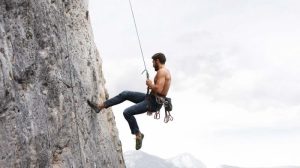
Rock climbing and bouldering are both thrilling outdoor activities that involve scaling rocks and boulders, but they differ in certain aspects. Rock climbing typically involves climbing higher rock formations with the use of ropes, harnesses, and other safety equipment, while bouldering is done on smaller rock formations without the use of ropes, usually at lower heights.
Specialized Gear Required
- Rock Climbing:
- Climbing shoes
- Climbing harness
- Ropes and carabiners
- Helmets
- Chalk bag
- Belay device
- Bouldering:
- Climbing shoes
- Chalk bag
- Crash pads
- Brushes for cleaning holds
Mental and Physical Benefits
- Rock Climbing:
- Enhances problem-solving skills
- Increases focus and concentration
- Builds upper body and core strength
- Boosts confidence and self-esteem
- Promotes stress relief and mental well-being
- Bouldering:
- Improves grip strength and coordination
- Provides a full-body workout
- Encourages quick decision-making
- Offers a sense of accomplishment with short, challenging routes
- Enhances problem-solving skills and mental agility
Wildlife Watching and Birding
Embark on exciting wildlife watching and birding adventures to connect with nature in its purest form. Whether you are observing majestic animals in their natural habitats or spotting rare bird species, this immersive experience is sure to leave you in awe of the beauty of our planet.
Equipment Needed for Wildlife Watching and Birding Enthusiasts
- Binoculars: Essential for getting a closer look at wildlife from a safe distance.
- Field Guide: Helps in identifying different bird species and animals you encounter.
- Camera or Smartphone: Capture memorable moments and wildlife sightings.
- Appropriate Clothing: Wear comfortable, muted colors to blend in with the surroundings.
- Hiking Boots: Ensure you have sturdy footwear for exploring different terrains.
Tips on Responsible Wildlife Watching Practices
- Respect Wildlife: Observe from a distance and avoid disturbing their natural behavior.
- Stay Quiet: Keep noise to a minimum to not startle or stress the animals.
- Stay on Designated Trails: Avoid trampling on delicate ecosystems or habitats.
- Do Not Feed Wildlife: Feeding animals can disrupt their natural diet and behavior.
- Be Patient: Wildlife sightings are not guaranteed, so patience is key in this activity.
Trail Running
Trail running has gained immense popularity in recent years as more and more people seek adventurous ways to stay fit and connect with nature. Unlike traditional road running, trail running involves navigating through natural terrain like forests, mountains, and deserts, providing a much-needed escape from the hustle and bustle of urban life.
Essential Gear for Trail Running
- Trail Running Shoes: Designed with sturdy soles, grippy treads, and protective toe caps to handle rough terrain.
- Hydration Pack: Stay hydrated on long runs with a comfortable hydration pack that allows you to carry water and essentials.
- Moisture-Wicking Clothing: Opt for breathable and moisture-wicking tops and bottoms to stay dry and comfortable during intense runs.
- Trail Running Gaiters: Keep debris out of your shoes and socks with gaiters designed specifically for trail running.
- GPS Watch: Track your route, distance, and elevation gain with a GPS watch that can help you stay on course and monitor your progress.
Physical and Mental Benefits of Trail Running
- Physical Fitness: Trail running provides a full-body workout, strengthening muscles and improving cardiovascular health.
- Mental Clarity: Running in nature can reduce stress, improve mood, and enhance mental clarity, offering a much-needed break from daily worries.
- Connection with Nature: Trail running allows you to immerse yourself in natural surroundings, fostering a deeper connection with the environment.
- Challenge and Adventure: Conquering rugged trails and tough terrain can boost confidence, resilience, and a sense of accomplishment.
- Social Connection: Joining trail running groups or events can help you connect with like-minded individuals and build a supportive community.
Adventure Sports
Adventure sports involve thrilling and adrenaline-pumping activities that push individuals to their limits in unique and challenging environments. These sports offer a sense of excitement, risk, and adventure that appeals to thrill-seekers and outdoor enthusiasts worldwide.
Popular Adventure Sports Activities
Adventure sports encompass a wide range of activities, including:
- Rock Climbing: Scaling vertical cliffs and rock formations using ropes and climbing gear.
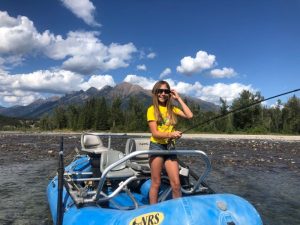
- White-Water Rafting: Navigating fast-flowing rivers and rapids in inflatable rafts.
- Skydiving: Jumping from an aircraft at high altitudes and free-falling before deploying a parachute.
- Surfing: Riding ocean waves on a surfboard, challenging the forces of nature.
- Bungee Jumping: Leaping from a tall structure while attached to a bungee cord, experiencing a free fall before rebounding.
Gear and Equipment for Adventure Sports
Adventure sports require specialized gear and equipment to ensure safety and performance. Some essential items include:
- Helmet: Protects the head from impact during activities like rock climbing and cycling.
- Harness: Secures the body in activities like rock climbing, rappelling, and skydiving.
- Wetsuit: Provides insulation and protection in water-based sports like surfing and diving.
- Climbing Rope: Essential for rock climbing, rappelling, and other vertical activities.
- Life Jacket: Ensures buoyancy and safety in water sports like kayaking and white-water rafting.
Closure
Equip yourself with knowledge and gear to conquer any challenge in the realm of adventure sports. Stay ahead of the game and gear up for your next thrilling escapade!
Helpful Answers
What are the must-have gear for adventure sports?
Essential gear includes sturdy backpacks, durable tents, high-quality ropes, and reliable safety harnesses.
How important is the quality of equipment in adventure sports?
Quality gear is crucial for safety and performance, ensuring a smooth and enjoyable experience in extreme conditions.
How has technology influenced the design of adventure sports gear?
Technology has revolutionized gear with lightweight materials, advanced safety features, and innovative designs for optimal performance.
What are some ethical considerations when exploring delicate rainforest ecosystems?
Respect wildlife habitats, avoid damaging plants, and follow sustainable practices to protect the fragile ecosystem.
What gear is necessary for successful wildlife watching and birding adventures?
Binoculars, field guides, and a camera are essential for observing wildlife and birds while minimizing disturbance.