Embark on a journey through the lush rainforests as we delve into the captivating world of cultural experiences, traditions, and rituals unique to these biodiverse settings. From preserving heritage to exploring the uncharted territories of indigenous communities, this narrative promises a remarkable exploration of the rainforest’s cultural tapestry.
Cultural Experiences in Rainforests
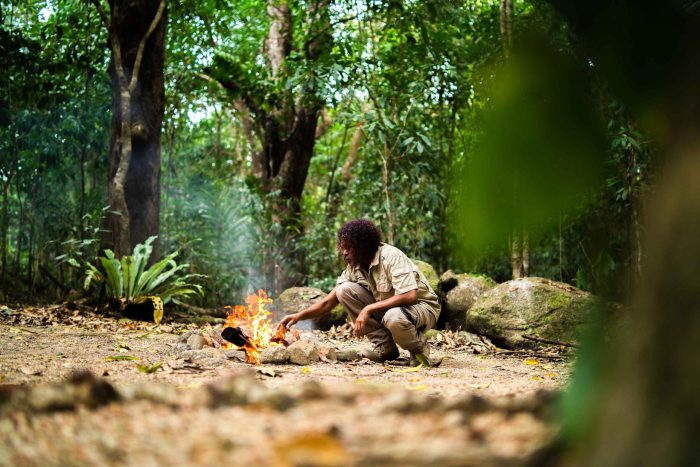
Cultural experiences in rainforests hold immense significance as they provide a window into the unique traditions, beliefs, and practices of indigenous communities thriving in these biodiverse ecosystems. These experiences not only showcase the rich cultural heritage of these communities but also highlight the importance of preserving their way of life in harmony with nature.
Traditional Practices and Rituals
In rainforest cultures, traditional practices and rituals play a crucial role in maintaining the spiritual connection between the community and the natural environment. For example, the Yanomami people of the Amazon rainforest engage in elaborate ceremonies involving chants, dances, and the consumption of psychoactive plants to communicate with the spirits of the forest and seek guidance for hunting or healing purposes.
Similarly, the Dayak tribes of Borneo perform the Gawai festival to honor the spirits of rice and ensure a bountiful harvest, featuring traditional music, dances, and offerings to appease the ancestral guardians of the land.
Preservation of Cultural Heritage
Indigenous communities in rainforest settings preserve their cultural heritage through oral traditions, storytelling, art, music, and traditional crafts. Elders pass down knowledge and wisdom to younger generations through myths, legends, and rituals that are deeply rooted in their connection to the land. By practicing sustainable hunting, fishing, and farming techniques that have been handed down for generations, these communities ensure the continuity of their cultural identity while safeguarding the delicate balance of the rainforest ecosystem.
Additionally, ecotourism initiatives that promote responsible and respectful interactions between visitors and indigenous communities help generate income for cultural preservation projects and empower local people to share their traditions with the world.
Shopping Vacation
Embarking on a shopping vacation is a unique way for travelers to immerse themselves in the culture of a destination while bringing home one-of-a-kind souvenirs to cherish.
Popular Shopping Destinations in Rainforest Regions
When exploring rainforest regions, there are several popular shopping destinations where travelers can find unique cultural souvenirs:
- Amazon Rainforest: Local markets in towns like Manaus in Brazil offer handmade crafts, jewelry, and traditional indigenous art.
- Daintree Rainforest: Visitors can shop for Aboriginal art, boomerangs, and didgeridoos in nearby towns like Mossman and Kuranda in Australia.
- Congo Basin Rainforest: Artisans in cities like Kinshasa in the Democratic Republic of the Congo create beautiful wood carvings, masks, and textiles.
Tips to Support Local Artisans and Businesses
During a shopping vacation in rainforest regions, travelers can support local artisans and businesses by following these tips:
- Buy directly from artisans at local markets or workshops to ensure they receive fair compensation for their craftsmanship.
- Opt for handmade products over mass-produced items to appreciate the unique skills and traditions of the local communities.
- Ask about the cultural significance of the souvenirs you purchase to gain a deeper understanding of the traditions behind the art.
- Respect the environment by choosing sustainable and eco-friendly products that are ethically sourced from the rainforest.
Arctic and Polar Expeditions
Exploring the Arctic and polar regions offers a starkly different experience compared to the lush rainforests. The icy landscapes, extreme weather conditions, and unique wildlife present both challenges and rewards for adventurers seeking cultural experiences in these remote areas.
Contrasting Environments
- Arctic and polar expeditions take travelers to frozen tundras and icy oceans, in contrast to the dense tropical forests of rainforests.
- The Arctic and polar regions are characterized by long periods of darkness or daylight, creating a surreal atmosphere unlike anything found in the rainforest.
- Wildlife in the Arctic includes polar bears, seals, and whales, while in the rainforest, travelers encounter a diverse array of species like monkeys, birds, and insects.
Challenges and Rewards
- Exploring the Arctic and polar regions requires specialized gear and training to navigate the harsh environments and extreme temperatures.
- Witnessing the breathtaking beauty of glaciers, icebergs, and the Northern Lights are some of the rewards of embarking on Arctic expeditions.
- Interacting with indigenous communities living in the Arctic provides a unique opportunity to learn about their cultures, traditions, and resilience in the face of challenging conditions.
Cultural Interactions
- During Arctic expeditions, travelers have the chance to visit remote villages and engage with indigenous peoples, gaining insight into their way of life and traditional practices.
- Sharing meals, stories, and experiences with the locals fosters cross-cultural understanding and creates lasting memories of cultural exchange in the frozen landscapes of the Arctic.
- Participating in traditional ceremonies, such as drum dances or throat singing, offers a glimpse into the rich cultural heritage of Arctic communities and their deep connection to the land and wildlife.
Music Festival Tour
Music festivals have a unique way of connecting people to different cultures, and when set in or near rainforest locations, they provide a truly immersive experience that combines the beauty of nature with the power of music. These festivals not only offer a platform for artists to showcase their talent but also serve as a gateway to understanding and appreciating indigenous cultures that call the rainforests their home.
Music Festivals in Rainforest Locations
- The Envision Festival in Costa Rica is held in the heart of the lush rainforest, offering attendees a chance to engage with local communities and learn about sustainable living practices.
- The Rainforest World Music Festival in Malaysia takes place in the Sarawak Cultural Village, surrounded by the sights and sounds of the Borneo rainforest, where traditional music and dance performances celebrate the diversity of indigenous cultures.
- The Woodford Folk Festival in Australia is located in the subtropical rainforest, featuring a mix of music, art, and workshops that highlight the connection between nature and creativity.
Preservation of Indigenous Cultures through Music Festivals
Music festivals play a crucial role in preserving indigenous cultures by providing a platform for traditional performers to share their music, dance, and stories with a wider audience. These festivals raise awareness about the importance of preserving cultural heritage and empower indigenous communities to showcase their unique traditions. Through music, attendees can gain a deeper appreciation for the rich cultural heritage of rainforest regions and support efforts to protect and promote indigenous knowledge and practices.
Rainforest Exploration
Exploring the rainforest is a once-in-a-lifetime experience that allows you to connect with nature in its purest form. It is essential to plan your trip carefully to ensure a safe and memorable adventure.
Planning a Rainforest Exploration Trip
- Research the location: Choose a rainforest destination that aligns with your interests and travel preferences.
- Pack appropriately: Make sure to pack lightweight, moisture-wicking clothing, insect repellent, sturdy shoes, and other essentials for hiking and exploring.
- Book a knowledgeable guide: Hiring a local guide can enhance your experience by providing valuable insights into the flora, fauna, and culture of the rainforest.
- Respect local customs: Be mindful of the local communities and their traditions, and always seek permission before entering sacred or protected areas.
The Importance of Sustainable Tourism Practices
When exploring the rainforest, it is crucial to practice sustainable tourism to minimize your impact on the environment and support conservation efforts. By following these practices, you can help preserve the biodiversity and beauty of the rainforest for future generations.
Personal Experiences from Rainforest Exploration Journeys
During my rainforest exploration journey, I was amazed by the diverse array of plant and animal species that call the rainforest home. From spotting colorful birds to encountering rare orchids, every moment was a reminder of the importance of protecting these precious ecosystems.
Spiritual Pilgrimage
Spiritual pilgrimage in the context of rainforest environments involves a journey taken by individuals seeking a deeper connection with nature, themselves, and the divine. Rainforests provide a serene and mystical backdrop for spiritual practices and rituals that have been carried out for generations.
Sacred Ceremonies
- Indigenous tribes in the Amazon rainforest perform sacred ceremonies to honor the spirits of the land and seek guidance from the natural world.
- Shamans lead rituals involving plant medicine, chanting, and dancing to connect with the spiritual realm and heal both individuals and the community.
Meditation and Reflection
- Many spiritual seekers visit rainforests to meditate in the presence of ancient trees and vibrant wildlife, finding peace and clarity in the midst of nature’s beauty.
- Reflection practices in the rainforest encourage introspection and contemplation, allowing individuals to gain insights and wisdom from the tranquility of the environment.
Geotourism Adventure
Geotourism involves exploring the geological features of a destination, focusing on the natural environment and its conservation. When it comes to rainforests, geotourism plays a crucial role in highlighting the unique geological aspects that make these ecosystems so fascinating.
Geological Features of Rainforests
- Rainforests are known for their rich biodiversity, but they also boast diverse geological formations that have shaped the landscape over millions of years.
- The lush vegetation in rainforests is supported by nutrient-rich soils that have been replenished by volcanic activity and erosion processes.
- Waterfalls, caves, and rock formations are common sights in rainforest regions, showcasing the intricate relationship between geology and ecology.
- The presence of unique minerals and rocks in rainforests adds to their geological significance, attracting geotourists interested in studying these formations.
Tips for Geotourism Adventures in Rainforest Regions
- Research the geological history of the rainforest area you plan to visit to better appreciate the significance of its features.
- Join guided tours led by geologists or naturalists who can provide insights into the geological wonders of the rainforest.
- Pack appropriate gear for exploring rocky terrains, caves, and waterfalls, ensuring your safety while enjoying the geological attractions.
- Respect the environment by following designated trails and avoiding damaging fragile rock formations or soil structures.
Birdwatching Vacation
Birdwatching vacations in rainforest habitats offer a unique opportunity to immerse yourself in the stunning natural beauty of these ecosystems while observing a wide variety of bird species in their natural environment.
Popular Birdwatching Spots in Rainforest Locations
- The Amazon Rainforest in South America is one of the most famous birdwatching destinations in the world, home to over 1,300 bird species including toucans, macaws, and hummingbirds.
- The Daintree Rainforest in Australia is another hotspot for birdwatching, with species like the Southern Cassowary and the Victoria’s Riflebird.
- Borneo’s rainforests are teeming with birdlife, such as the Bornean Bristlehead and the Rhinoceros Hornbill.
Diverse Bird Species in Rainforest Ecosystems
Rainforests are incredibly biodiverse environments, hosting a wide range of bird species with unique adaptations to their surroundings. From colorful parrots and toucans to elusive owls and birds of prey, birdwatching in these habitats provides a glimpse into the fascinating world of avian life.
Remote Island Retreat
Remote island retreats nestled within or near rainforest areas offer a unique escape from the hustle and bustle of everyday life. The allure of these secluded destinations lies in their pristine natural surroundings and the opportunity to immerse oneself in the beauty of untouched landscapes.
Planning a Peaceful Island Retreat
When planning a peaceful island retreat in the midst of rainforest landscapes, it’s essential to consider factors such as transportation, accommodation options, and activities available on the island. Researching the local culture and customs can also enhance your experience and help you connect with the island’s unique heritage.
Unique Cultural Experiences
- Participating in traditional ceremonies and rituals led by local communities
- Exploring indigenous arts and crafts, such as weaving and carving
- Sampling authentic local cuisine made from fresh, seasonal ingredients
- Learning about the history and traditions of the island’s inhabitants through guided tours and storytelling
- Engaging with local musicians and dancers to experience traditional performances
Volunteer Vacation
Volunteer vacations play a crucial role in supporting conservation efforts in rainforest regions by providing hands-on assistance to preserve delicate ecosystems and wildlife habitats. These programs not only contribute to environmental conservation but also have a positive impact on local communities by creating sustainable opportunities for economic growth and education.
Examples of Volunteer Programs
- The Amazon Conservation Association offers volunteer opportunities in the Peruvian Amazon to help with reforestation, wildlife monitoring, and sustainable agriculture projects.
- The Borneo Nature Foundation runs volunteer programs in Indonesian Borneo focused on orangutan conservation, habitat restoration, and community outreach initiatives.
- The Rainforest Alliance organizes volunteer trips to Costa Rica to assist with sustainable farming practices, forest restoration, and wildlife monitoring.
Impact of Volunteer Contributions
- Volunteers help in collecting valuable data on wildlife populations, plant species, and environmental conditions, which aids in research and conservation efforts.
- By engaging with local communities, volunteers foster awareness about the importance of protecting rainforest ecosystems and encourage sustainable practices.
- Volunteer programs often provide income opportunities for local residents through ecotourism initiatives, creating a direct link between conservation efforts and community well-being.
Farm Stay Vacation
Farm stay vacations in rainforest settings offer a unique opportunity for visitors to immerse themselves in nature while experiencing farm life firsthand. This type of vacation allows guests to participate in daily farm activities, learn about sustainable farming practices, and enjoy fresh produce in a tranquil rainforest environment.
Benefits of Farm Stay Vacation in Rainforest Settings
- Experience the tranquility of the rainforest while staying on a working farm.
- Learn about sustainable farming practices and how they contribute to environmental conservation.
- Engage in hands-on farm activities such as harvesting fruits and vegetables, feeding animals, or tending to crops.
- Connect with nature and gain a deeper appreciation for the ecosystem of the rainforest.
- Enjoy fresh, organic produce grown on the farm and cooked in traditional rainforest cuisine.
Educational Vacation
When it comes to educational vacations in rainforest regions, travelers have the unique opportunity to learn about diverse ecosystems and engage in specialized programs and workshops that offer in-depth insights into the natural world.
Specialized Programs and Workshops
- Guided Nature Walks: Experienced guides lead educational tours through the rainforest, sharing knowledge about the flora, fauna, and ecological processes.
- Botanical Studies: Participants can learn about the medicinal properties of plants, traditional uses, and conservation efforts to protect biodiversity.
- Wildlife Conservation Projects: Get hands-on experience in conservation efforts, such as monitoring endangered species, habitat restoration, and sustainable practices.
Benefits of Combining Leisure Travel and Education
- Enhanced Learning: By immersing in the rainforest environment, travelers gain a deeper understanding of conservation, sustainability, and the interconnectedness of ecosystems.
- Cultural Exchange: Educational vacations often involve interactions with local communities, providing insights into indigenous knowledge, traditions, and practices.
- Lifelong Memories: The combination of learning and leisure activities creates a memorable experience that fosters a greater appreciation for nature and wildlife.
Hiking and Trekking
Hiking and trekking through rainforest trails offer a truly exhilarating experience, allowing you to immerse yourself in the beauty and serenity of nature while challenging yourself physically and mentally.
Safety Tips and Essential Gear Recommendations
- Always inform someone of your hiking plans and expected return time before setting out on a rainforest trail.
- Wear appropriate clothing such as moisture-wicking layers, sturdy hiking boots, and a hat to protect yourself from the elements.
- Carry essential gear such as a map, compass, flashlight, first aid kit, and plenty of water to stay hydrated.
- Be aware of your surroundings, watch out for wildlife, and stay on marked trails to avoid getting lost.
- Apply insect repellent, sunscreen, and bring along a whistle in case of emergencies.
Physical and Mental Benefits of Hiking and Trekking
- Hiking and trekking in rainforests provide a great cardiovascular workout, improving heart health and overall fitness levels.
- Connecting with nature during hikes can reduce stress, anxiety, and improve mental well-being.
- Walking in natural environments can boost creativity, focus, and cognitive function.
- Engaging in physical activity in the great outdoors can lead to a sense of accomplishment and increased self-esteem.
- Breathing in fresh air and soaking up the sights and sounds of the rainforest can enhance mindfulness and relaxation.
Camping
Camping under the canopy of a rainforest offers a truly unique and immersive experience, allowing you to connect with nature in a way that few other activities can match. The sounds of the forest, the fresh air, and the sense of being surrounded by lush greenery create a serene and peaceful atmosphere that is perfect for anyone looking to escape the hustle and bustle of city life.
Beginner’s Guide to Camping in Rainforest Environments
- Choose a suitable campsite away from rivers or streams that may flood during heavy rain.
- Set up your tent on high ground to avoid water pooling underneath during rainy weather.
- Use a waterproof tent and ground tarp to stay dry in case of unexpected showers.
- Bring insect repellent to ward off mosquitoes and other bugs common in rainforest environments.
- Pack lightweight, quick-drying clothing for easy mobility and comfort in humid conditions.
Memorable Camping Adventures in Different Rainforest Locations
- In the Amazon Rainforest: Waking up to the sounds of howler monkeys and colorful birds, exploring the diverse flora and fauna during the day, and falling asleep under a starlit sky.
- In the Daintree Rainforest, Australia: Camping near crystal-clear streams, spotting unique wildlife like the cassowary, and taking night walks to observe nocturnal creatures.
- In the Monteverde Cloud Forest, Costa Rica: Enjoying cool temperatures, breathtaking views of the cloud forest canopy, and the chance to see rare species like the resplendent quetzal.
Cycling and Mountain Biking
Cycling and mountain biking in rainforest terrain offer a unique and thrilling experience for adventure enthusiasts. The lush greenery, diverse wildlife, and challenging trails make it an exciting activity for those seeking an adrenaline rush in a natural setting.
Challenges and Rewards
- Cycling or mountain biking in rainforest terrain presents challenges such as steep inclines, uneven trails, and unpredictable weather conditions.
- The rewards of conquering these challenges include breathtaking views, encounters with exotic flora and fauna, and a sense of accomplishment.
- Exploring the rainforest on two wheels allows for a deeper connection to nature and a unique perspective of the environment.
Recommended Cycling Routes
- The Amazon Rainforest offers cycling routes through the Peruvian Andes, providing a mix of challenging trails and stunning landscapes.
- In Costa Rica, the Arenal Volcano National Park boasts mountain biking trails with views of the volcano and lush rainforest surroundings.
- Borneo’s rainforest offers cycling adventures through rugged terrain, allowing cyclists to encounter orangutans and other wildlife along the way.
Environmental Impact
- Cycling and mountain biking in rainforests can have a minimal environmental impact compared to motorized vehicles, reducing carbon emissions and noise pollution.
- However, cyclists must be mindful of trail erosion, disturbance to wildlife, and littering, ensuring responsible practices to protect fragile ecosystems.
- Supporting sustainable tourism initiatives and following designated cycling trails can help minimize the impact of biking activities on rainforest environments.
Fishing and Angling
When visiting rainforests, fishing and angling are popular activities that allow travelers to connect with nature and experience the thrill of catching fish in pristine waters. It is essential to practice responsible fishing to protect the local ecosystems and ensure the sustainability of fish populations in rainforest rivers and streams. This includes following catch-and-release practices, using biodegradable fishing gear, and respecting fishing regulations set in place to preserve the natural environment.
Diverse Fish Species in Rainforest Waters
- Rainbow Trout: Known for their vibrant colors, rainbow trout can be found in many rainforest rivers, providing a challenging angling experience for fishing enthusiasts.
- Piranha: Found in South American rainforests, piranhas are infamous for their sharp teeth and voracious feeding habits, adding an element of excitement to fishing adventures.
- Arapaima: One of the largest freshwater fish species, the arapaima can be spotted in Amazonian rivers, offering a unique angling opportunity for those seeking a memorable catch.
- Electric Eel: With its ability to generate electric shocks, the electric eel is a fascinating species that inhabits rainforest waters, attracting anglers looking for a thrilling fishing experience.
Kayaking and Canoeing
Kayaking and canoeing in rainforest waterways offer a unique and serene experience, allowing travelers to immerse themselves in the beauty of nature while navigating through lush landscapes.
Safety Guidelines for Water-based Activities
When embarking on kayaking or canoeing adventures in rainforest settings, it is essential to prioritize safety. Here are some guidelines to ensure a safe and enjoyable experience:
- Always wear a properly fitted life jacket.
- Be aware of the weather conditions and avoid kayaking or canoeing during storms or heavy rain.
- Stay hydrated and bring enough water for the journey.
- Respect wildlife and avoid approaching or feeding animals.
- Inform someone of your planned route and expected return time.
Benefits of Exploring Rainforest Landscapes from a Kayak or Canoe
Exploring rainforest landscapes from a kayak or canoe offers a range of benefits, including:
- Quiet and peaceful experience, allowing for a closer connection with nature.
- Access to remote and untouched areas that may not be reachable by foot.
- Opportunity to observe wildlife in their natural habitat without disturbing them.
- Physical exercise and relaxation as you paddle through calm waters surrounded by lush greenery.
- Unique perspective of the rainforest ecosystem from the water, offering a different view compared to hiking or trekking.
Rock Climbing and Bouldering
Rock climbing and bouldering in rainforest settings offer a unique and exhilarating experience for adventure enthusiasts. The lush greenery, towering cliffs, and challenging rock formations provide a thrilling backdrop for climbers looking to test their skills in a natural environment.When it comes to rock climbing in rainforests, there are several recommended spots around the world that cater to both beginners and experienced climbers.
From the granite walls of Brazil’s Tijuca National Park to the limestone cliffs of Malaysia’s Batu Caves, each location offers its own set of challenges and rewards for climbers of all levels.
Recommended Rock Climbing Spots in Rainforest Areas
- The Grampians, Australia: Known for its sandstone cliffs and diverse climbing routes.
- El Yunque National Forest, Puerto Rico: Offers unique climbing opportunities amidst tropical flora and fauna.
- Squamish, Canada: A popular destination for bouldering with stunning views of the surrounding rainforest.
Wildlife Watching and Birding
The rainforest habitats are teeming with a diverse array of wildlife species and birdlife, making it a paradise for nature enthusiasts and wildlife watchers alike. From colorful toucans and macaws to elusive jaguars and sloths, the opportunities for wildlife sightings are endless.
Abundance of Wildlife Species
- The rainforests are home to a rich variety of mammals, including monkeys, tapirs, and anteaters.
- Diverse bird species like parrots, hummingbirds, and eagles can be spotted soaring through the canopy.
- Reptiles such as snakes, lizards, and turtles inhabit the lush undergrowth, adding to the biodiversity of the ecosystem.
Ethical Wildlife Watching Practices
- Observe animals from a safe distance to avoid causing stress or disruption to their natural behavior.
- Avoid feeding wild animals as it can alter their diet and dependency on human food, leading to negative consequences for their health.
- Respect wildlife habitats by staying on designated trails and refraining from littering or damaging the environment.
Encountering Rare or Endangered Species
- The thrill of spotting a rare or endangered species, such as the elusive jaguar or the endangered harpy eagle, is an unforgettable experience.
- Conservation efforts in rainforest regions have helped protect and preserve these vulnerable species, offering a glimmer of hope for their future survival.
- By supporting eco-tourism initiatives that prioritize wildlife conservation, visitors can contribute to the protection of these remarkable creatures and their habitats.
Trail Running
Trail running in the rainforest offers a unique and exhilarating experience for runners looking to connect with nature while challenging themselves physically and mentally.Explore the dense rainforest paths, filled with lush vegetation and diverse wildlife, as you navigate through varying terrains and elevations. The sights and sounds of the rainforest create a truly immersive running experience, unlike any other.
Training Tips for Rainforest Trail Running
- Choose the right footwear: Opt for trail running shoes with good traction and support to navigate the uneven and sometimes slippery terrain of the rainforest.
- Stay hydrated: The humid conditions of the rainforest can lead to increased sweating, so be sure to carry an adequate amount of water to stay hydrated throughout your run.
- Focus on agility and balance: Practice exercises that improve your agility and balance to navigate the obstacles and uneven surfaces of the rainforest trails.
- Start slow and gradually increase intensity: Begin with shorter runs on easier trails to acclimate to the unique challenges of trail running in the rainforest before tackling more difficult routes.
- Respect the environment: Stay on designated trails to minimize impact on the fragile ecosystem of the rainforest and avoid disturbing wildlife.
Mental Clarity and Connection with Nature
Trail running in the rainforest not only provides a physical workout but also offers mental clarity and a deep connection with nature. The peaceful surroundings and soothing sounds of the rainforest can help clear your mind and reduce stress, allowing you to fully immerse yourself in the present moment.
Running through the rainforest can be a meditative experience, as you focus on your breath and the rhythm of your footsteps, tuning out distractions and connecting with the natural world around you.
Adventure Sports
Adventure sports in rainforest regions offer adrenaline-pumping experiences for thrill-seekers looking to push their limits and connect with nature in a unique way. However, engaging in these activities requires proper safety measures and precautions to ensure a safe and enjoyable experience.
Rappelling and Rock Climbing
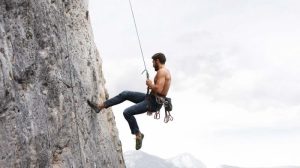
- Rappelling down towering waterfalls and rock faces allows adventurers to conquer their fears and test their skills in a challenging environment.
- Rock climbing in rainforest landscapes offers a mix of technical climbs and breathtaking views, providing a thrilling experience for climbers of all levels.
- Proper equipment, training, and supervision are essential to ensure the safety of participants engaging in these high-intensity activities.
Zip-lining and Canopy Tours
- Zip-lining through the lush canopy of the rainforest provides an exhilarating way to experience the ecosystem from a bird’s eye view.
- Canopy tours offer a unique perspective on the diverse flora and fauna of the rainforest while zipping between platforms high above the forest floor.
- Strict safety protocols, including harnesses, helmets, and trained guides, are crucial to prevent accidents and ensure a memorable adventure for participants.
White Water Rafting and Kayaking
- White water rafting down rapids and rivers in the rainforest challenges adventurers with adrenaline-pumping thrills and teamwork opportunities.
- Kayaking through winding waterways and hidden lagoons allows explorers to navigate through the heart of the rainforest while enjoying the tranquility of nature.
- Expert guides, safety briefings, and proper gear are essential for a safe and enjoyable experience on the water in remote rainforest locations.
Conclusive Thoughts
As we conclude our expedition into the realm of Cultural Experiences in Rainforests, we are left with a profound appreciation for the rich heritage and vibrant traditions that thrive amidst the verdant canopies. This captivating glimpse into the cultural mosaic of rainforest communities serves as a testament to the enduring connection between nature and human civilization.
FAQ Summary
How do indigenous communities preserve their cultural heritage in rainforest settings?
Indigenous communities employ oral traditions, art forms, and ceremonies to pass down their heritage from generation to generation, ensuring its preservation in rainforest environments.
What role do music festivals play in preserving indigenous cultures in rainforests?
Music festivals act as platforms for showcasing traditional music, dance, and storytelling, contributing to the preservation and promotion of indigenous cultures within rainforest regions.
What are some recommended birdwatching spots in rainforest locations around the world?
Popular birdwatching destinations include the Amazon Rainforest in South America, Borneo in Southeast Asia, and the Congo Basin in Africa, offering diverse avian species for enthusiasts to observe.
How can travelers support local artisans and businesses during a shopping vacation in rainforest regions?
Travelers can support local artisans by purchasing handmade crafts, textiles, and souvenirs directly from them, ensuring that their contributions directly benefit the communities and promote sustainable tourism practices.
What are the transformative effects of embarking on a spiritual pilgrimage in the rainforest?
A spiritual pilgrimage in the rainforest can lead to profound introspection, spiritual renewal, and a deep connection with nature, offering a transformative experience that enriches the soul and enhances personal growth.