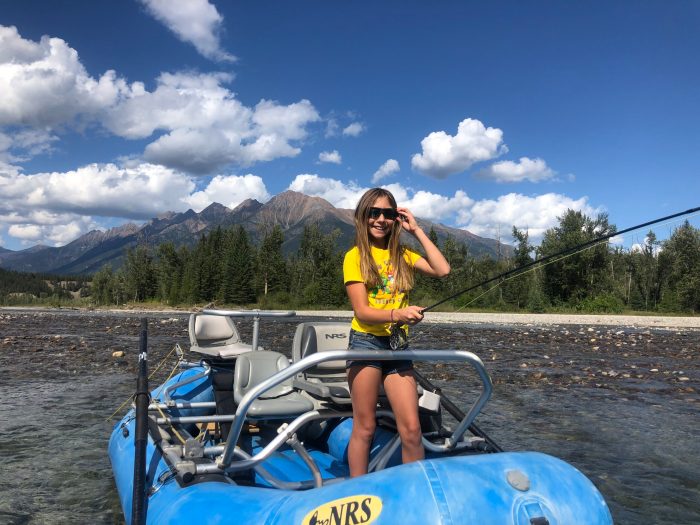
Embark on a thrilling journey with Fly Fishing Adventures, where every cast holds the promise of an unforgettable experience amidst nature’s beauty. Whether you’re a seasoned angler or a novice explorer, this guide is your gateway to the world of fly fishing like never before.
Fly Fishing Adventures
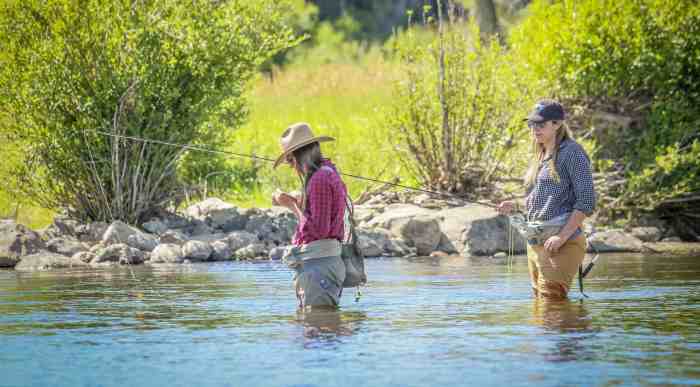
Fly fishing is a popular recreational activity that appeals to individuals seeking a peaceful and immersive outdoor experience. Unlike traditional fishing methods, fly fishing involves using a lightweight artificial fly to lure fish, requiring skill and finesse to cast the line accurately and delicately on the water.
Equipment Needed for a Fly Fishing Trip
- Fly Rod: A flexible rod specifically designed for fly fishing, ranging in length and weight depending on the type of fish you are targeting.
- Fly Reel: A device to store and release the fly line, usually equipped with a drag system to control the tension when a fish is hooked.
- Fly Line: Specialized weight-forward floating line designed to cast the fly and deliver it gently to the water’s surface.
- Leaders and Tippet: Translucent monofilament lines attached to the fly line to provide a smooth transition and prevent fish from seeing the main line.
- Flies: Artificial lures tied to resemble insects, baitfish, or other natural prey to attract fish.
- Waders and Wading Boots: Waterproof clothing to keep you dry while standing in the water, providing mobility and access to more fishing spots.
Tips for Beginners Interested in Trying Fly Fishing
- Take a Lesson: Consider enrolling in a beginner fly fishing course or hiring a guide to learn the basics of casting and technique.
- Practice Casting: Spend time practicing your casting on land before heading to the water to improve your accuracy and distance.
- Observe Nature: Study insect behavior and fish feeding patterns to better understand what flies to use and where to fish.
- Be Patient: Fly fishing requires patience and persistence, so enjoy the process and the peaceful surroundings.
Importance of Conservation in Fly Fishing
- Catch and Release: Many fly anglers practice catch and release to preserve fish populations and ecosystems for future generations.
- Respect the Environment: Follow regulations, pack out your trash, and avoid damaging riverbanks or habitats while fishing.
- Support Conservation Efforts: Get involved in local conservation organizations or donate to causes that protect waterways and fish habitats.
Shopping Vacation
Embarking on a shopping vacation can provide a unique and exciting experience, allowing travelers to explore different cultures through their shopping habits and traditions. It offers the opportunity to bring back souvenirs and items that hold sentimental value, serving as tangible reminders of the trip.
List of Unique Shopping Destinations
- Grand Bazaar in Istanbul, Turkey
- Chatuchak Weekend Market in Bangkok, Thailand
- Dubai Mall in Dubai, United Arab Emirates
- Champs-Élysées in Paris, France
- Nakamise Shopping Street in Tokyo, Japan
Benefits of Shopping While on Vacation
- Opportunity to purchase unique and locally made items
- Supporting local artisans and businesses
- Exploring the cultural aspects of a destination through its markets and shops
Tips for Budget-Friendly Shopping Vacations
- Set a budget before your trip and stick to it
- Look for local markets and street vendors for affordable souvenirs
- Consider shopping during off-peak seasons for better deals
Sustainable Shopping Practices for Travelers
- Bring reusable bags or containers to reduce plastic waste
- Choose items made from sustainable materials or support eco-friendly brands
- Avoid purchasing items made from endangered species or contributing to unethical practices
Arctic and Polar Expeditions
Embark on an unforgettable journey with Arctic and Polar expeditions, where you can experience the raw beauty of these remote regions.
Unique Experiences
Arctic and Polar expeditions offer unique experiences such as witnessing the mesmerizing Northern Lights, encountering majestic polar bears and other wildlife, and exploring vast icy landscapes unlike anywhere else on Earth.
Challenges and Rewards
- Challenges: Navigating through icy waters, extreme weather conditions, and limited access to resources are some of the challenges explorers face in these harsh environments.
- Rewards: The sense of accomplishment, breathtaking scenery, and the opportunity to witness rare wildlife make Arctic and Polar expeditions incredibly rewarding.
Tips for Safety and Comfort
- Stay warm: Dress in layers and bring high-quality cold-weather gear to stay comfortable in sub-zero temperatures.
- Stay informed: Follow safety guidelines, listen to your guides, and be prepared for changing weather conditions.
- Stay hydrated and nourished: Bring plenty of water and high-energy snacks to keep yourself fueled during long expeditions.
Impact of Climate Change
The Arctic and Polar regions are experiencing the effects of climate change at an alarming rate. Melting ice caps, rising sea levels, and habitat loss for wildlife are some of the devastating consequences of global warming in these fragile ecosystems.
Music Festival Tour
Music festivals are vibrant celebrations of music and culture that bring people together from all over the world. From rock to electronic, jazz to hip-hop, there is a music festival for every taste and preference. Attending a music festival can be a unique and unforgettable experience, offering the opportunity to see your favorite artists perform live, discover new music, and immerse yourself in a community of like-minded music lovers.
List of Popular Music Festivals Around the World:
- Coachella (Indio, California, USA)
- Glastonbury (Somerset, England)
- Tomorrowland (Boom, Belgium)
- Lollapalooza (Chicago, Illinois, USA)
- Rock in Rio (Rio de Janeiro, Brazil)
Cultural Significance of Music Festivals:
Music festivals play a significant role in shaping cultural identity and fostering a sense of community among attendees. They provide a platform for artists to showcase their talents, promote diversity and inclusion, and create a space for people to come together and celebrate their shared love of music.
Tips for Planning a Music Festival Tour:
- Research the lineup and schedule in advance to plan your itinerary.
- Book accommodations early to secure the best options.
- Pack essentials such as sunscreen, comfortable shoes, and a reusable water bottle.
- Connect with fellow festival-goers through social media to share tips and experiences.
- Stay hydrated and take breaks to avoid burnout during the festival.
Genres of Music Festivals:
| Genre | Description |
|---|---|
| Rock | Featuring bands and artists from the rock genre. |
| Electronic | Showcasing DJs and electronic music producers. |
| Jazz | Celebrating the rich history and diversity of jazz music. |
| Hip-Hop | Highlighting rap and hip-hop artists and culture. |
Rainforest Exploration
Rainforests are incredibly diverse ecosystems that are home to a wide variety of plant and animal species. The lush vegetation, high humidity, and abundant rainfall create a perfect environment for this rich biodiversity to thrive. From colorful birds to unique insects, rainforests are teeming with life waiting to be discovered.
Biodiversity in Rainforests
Rainforests are known for their unparalleled biodiversity, with a single hectare of rainforest containing more plant species than all of North America. This incredible variety of flora and fauna includes iconic species such as jaguars, sloths, and toucans. The interconnected web of life in rainforests showcases the delicate balance that sustains these complex ecosystems.
Tips for Responsible Exploration
- Stay on designated trails to minimize impact on fragile habitats.
- Avoid feeding wildlife to prevent disruption of natural behaviors.
- Respect local cultures and traditions when interacting with indigenous communities.
- Dispose of waste properly to keep the environment clean and protected.
Importance of Conservation in Rainforest Exploration
Conservation plays a crucial role in preserving the delicate balance of rainforest ecosystems. By supporting sustainable practices and protected areas, we can ensure that future generations can continue to experience the wonders of these biodiverse environments. Responsible tourism and conservation efforts are essential to safeguarding the beauty and biodiversity of rainforests.
Popular Rainforest Destinations for Travelers
- Amazon Rainforest (South America)
- Congo Rainforest (Africa)
- Daintree Rainforest (Australia)
- Taman Negara (Malaysia)
- Madagascar Rainforest (Madagascar)
Spiritual Pilgrimage
Spiritual pilgrimages hold immense significance in various religions around the world, offering individuals a chance to connect with their faith, culture, and history in a profound way.
Significance of Spiritual Pilgrimages
Spiritual pilgrimages are deeply rooted in religious traditions and are a way for individuals to seek spiritual growth, enlightenment, and divine blessings. Here are some examples:
- In Christianity, pilgrimages to sites like Jerusalem, Rome, or Santiago de Compostela are seen as a way to deepen one’s connection to God and the teachings of Jesus Christ.
- In Islam, the Hajj pilgrimage to Mecca is considered one of the Five Pillars of Islam and is a mandatory religious duty for Muslims who are physically and financially able to undertake the journey.
- In Hinduism, pilgrimages to sacred sites such as Varanasi, Rishikesh, or Tirupati are believed to cleanse the soul, fulfill vows, and seek blessings from deities.
Tips for Planning a Spiritual Pilgrimage
When planning a spiritual pilgrimage, it’s essential to consider the following tips to ensure a meaningful and fulfilling experience:
- Research the significance and history of the pilgrimage site beforehand to understand its importance.
- Prepare physically and mentally for the journey, as pilgrimages often involve long distances and physical challenges.
- Respect the customs, traditions, and dress codes of the sacred site to show reverence and humility.
- Connect with local guides or religious leaders to gain insights into the spiritual practices and rituals observed at the site.
Benefits of Embarking on a Spiritual Journey
Embarking on a spiritual journey through a pilgrimage can have numerous benefits for individuals seeking inner peace, self-discovery, and a deeper connection to their faith:
- Provides a sense of purpose and direction in life, guiding individuals towards spiritual growth and enlightenment.
- Offers a break from the distractions of daily life, allowing for reflection, meditation, and self-exploration.
- Fosters a sense of community and unity among fellow pilgrims, creating a shared sense of spiritual camaraderie.
- Opens the heart and mind to new perspectives, beliefs, and experiences, expanding one’s spiritual horizons.
Connection between Spirituality and Travel
Traveling on a spiritual pilgrimage is not just about reaching a physical destination; it’s also a journey of the soul towards greater understanding, wisdom, and enlightenment. The act of traveling itself becomes a spiritual practice, with each step taken in devotion and reverence towards a higher purpose.
Geotourism Adventure
Geotourism involves exploring and appreciating the natural and cultural heritage of a destination while contributing to its conservation and sustainable development. It emphasizes responsible travel that benefits local communities and promotes environmental stewardship. Geotourism is important in sustainable travel as it helps preserve unique landscapes, ecosystems, and cultural traditions for future generations.
Unique Geotourism Destinations
- Galápagos Islands, Ecuador: Known for its diverse wildlife and volcanic landscapes.
- Antelope Canyon, USA: A slot canyon with stunning rock formations created by water erosion.
- Banff National Park, Canada: Offers breathtaking mountain scenery and abundant wildlife.
- Kimberley Region, Australia: Features rugged gorges, waterfalls, and Aboriginal rock art.
- Giant’s Causeway, Northern Ireland: A unique geological formation of interlocking basalt columns.
Tips for Incorporating Geotourism
- Research destinations that prioritize conservation and community involvement.
- Support local businesses and initiatives that promote sustainable practices.
- Participate in guided tours led by knowledgeable experts to learn more about the natural and cultural significance of the area.
- Respect the environment by following Leave No Trace principles and minimizing your impact on the surroundings.
Educational Aspects of Geotourism Adventures
Geotourism adventures offer valuable educational opportunities by allowing travelers to learn about the geological, ecological, and cultural aspects of a destination. Through interactive experiences and guided tours, participants gain a deeper understanding of the natural processes that shape the earth and the importance of conservation efforts. By engaging with local communities and experts, travelers can enhance their knowledge and appreciation of the environment while supporting initiatives that promote sustainability and preservation.
Birdwatching Vacation
Birdwatching is a popular hobby that allows enthusiasts to observe and study birds in their natural habitats. It offers a unique opportunity to connect with nature, appreciate biodiversity, and enjoy the peacefulness of the outdoors.
The Appeal of Birdwatching
- Patience and attention to detail are key skills for successful birdwatching.
- Investing in a good pair of binoculars and field guide can enhance the experience.
- Joining local birdwatching groups or tours can provide valuable insights and opportunities to learn from experienced birders.
Popular Birdwatching Destinations
- The Galapagos Islands, known for unique bird species like the Blue-footed Booby.
- Costa Rica, home to a diverse range of birds in its rainforests and cloud forests.
- Kenya’s Maasai Mara National Reserve, where birdwatchers can spot both resident and migratory species.
Birdwatching and Conservation
Birdwatching plays a crucial role in conservation efforts by raising awareness about the importance of preserving habitats for birds. By observing and documenting bird populations, enthusiasts contribute valuable data that can inform conservation strategies and help protect vulnerable species.
Remote Island Retreat
Looking to escape the hustle and bustle of everyday life? A remote island retreat might be just what you need. Discover serene destinations where you can disconnect and recharge surrounded by nature’s beauty.
List of Remote Island Destinations:
- The Maldives
- Fernando de Noronha, Brazil
- Faroe Islands
- Palawan, Philippines
- Lord Howe Island, Australia
Benefits of Disconnecting on a Remote Island:
- Peace and tranquility away from the noise of urban life
- Opportunity to connect with nature and wildlife
- Time for self-reflection and relaxation
- Unplug from technology and enjoy digital detox
Tips for Planning a Remote Island Retreat:
- Research the destination’s safety and accessibility
- Pack essentials such as sunscreen, insect repellent, and comfortable clothing
- Book accommodations in advance, especially for remote locations
- Plan activities like hiking, snorkeling, or simply lounging on the beach
Impact of Tourism on Remote Island Communities:
- Increased economic opportunities through tourism revenue
- Preservation of natural and cultural heritage through sustainable practices
- Challenges such as environmental degradation and overcrowding
- Importance of responsible tourism to protect remote island ecosystems
Volunteer Vacation
Embarking on a volunteer vacation can provide a unique and fulfilling experience, allowing travelers to give back to communities in need while exploring new destinations. It offers a chance to make a positive impact and create lasting memories.
Importance of Volunteering While on Vacation
Volunteering while on vacation allows travelers to immerse themselves in the local culture, gain a deeper understanding of social issues, and contribute to meaningful projects that benefit the community. It promotes cultural exchange, empathy, and global citizenship.
Tips for Finding Reputable Volunteer Vacation Programs
- Research organizations that have a good reputation and transparent impact reports.
- Read reviews and testimonials from previous volunteers to get a sense of their experiences.
- Verify that the organization is registered as a nonprofit and adheres to ethical volunteer practices.
Rewards of Participating in Volunteer Vacations
- Personal growth and self-discovery through challenging and rewarding experiences.
- Building connections with like-minded individuals and forming lasting friendships.
- Gaining a sense of fulfillment and satisfaction from making a positive difference in the world.
Types of Volunteer Opportunities Available
Volunteer vacations offer a wide range of opportunities, including:
| 1. Environmental conservation projects | 4. Teaching and education programs |
| 2. Community development initiatives | 5. Healthcare and medical missions |
| 3. Animal welfare and rescue efforts | 6. Disaster relief and humanitarian aid |
Farm Stay Vacation
When it comes to a farm stay vacation, travelers have the unique opportunity to immerse themselves in rural life and experience the daily workings of a farm. It’s a chance to connect with nature, learn about sustainable practices, and enjoy a peaceful retreat away from the hustle and bustle of city life.
Concept of Farm Stay Vacations
Farm stay vacations offer guests the chance to stay on a working farm, interact with farm animals, participate in farm activities, and enjoy fresh farm-to-table meals. It’s a hands-on experience that allows visitors to gain a deeper appreciation for agriculture and rural life.
Tips for Choosing a Farm Stay Vacation Destination
- Research different farm stay options to find one that aligns with your interests and preferences.
- Consider the location of the farm and the activities offered to ensure it suits your desired experience.
- Read reviews from previous guests to get an idea of the quality of the accommodations and hospitality.
- Check if the farm follows sustainable practices and supports local communities.
- Communicate with the hosts beforehand to clarify any questions or special requests you may have.
Activities During a Farm Stay Vacation
- Helping with farm chores such as feeding animals, collecting eggs, or harvesting crops.
- Taking nature walks, hiking trails, or biking through the countryside.
- Participating in cooking classes using fresh ingredients from the farm.
- Stargazing or enjoying bonfires under the night sky.
- Learning about organic farming, beekeeping, or cheese-making from the hosts.
Benefits of Connecting with Nature on a Farm
- Relax and unwind in a serene natural setting away from the noise and pollution of urban areas.
- Gain a deeper understanding of where food comes from and the importance of sustainable agriculture.
- Appreciate the beauty of the countryside and enjoy the simple pleasures of rural life.
- Connect with animals and nature, which can have a calming and rejuvenating effect on mental health.
- Create lasting memories and forge meaningful connections with the hosts and other guests.
Educational Vacation
Embarking on an educational vacation offers a unique opportunity to learn while exploring new destinations. It allows travelers to gain knowledge, skills, and experiences in a hands-on and immersive way.
Benefits of Learning While Traveling
- Enhances cultural understanding and appreciation.
- Provides practical, real-world learning experiences.
- Encourages personal growth and self-discovery.
- Opportunity to learn from local experts and professionals.
Tips for Planning an Educational Vacation
- Research educational programs or destinations that align with your interests.
- Consider the duration and intensity of the educational experience.
- Check for any prerequisites or requirements for participation.
- Prepare a budget that includes tuition fees, accommodation, and travel costs.
Popular Educational Vacation Programs or Destinations
- Study Abroad Programs in Europe, Asia, or Latin America.
- Art and Culinary Workshops in Italy or France.
- Language Immersion Programs in Spain, Japan, or Costa Rica.
- Historical and Archaeological Tours in Egypt, Greece, or Peru.
Subjects to Study During an Educational Vacation
- History and Cultural Studies.
- Environmental Conservation and Sustainability.
- Wildlife and Marine Biology.
- Art, Music, and Performing Arts.
Hiking and Trekking
Hiking and trekking are not only great ways to explore nature and enjoy the outdoors but also offer numerous physical and mental health benefits. The combination of fresh air, physical exercise, and beautiful scenery can have a positive impact on both the body and mind.
Physical and Mental Benefits
- Improves cardiovascular health and endurance
- Strengthens muscles and bones
- Reduces stress and anxiety
- Boosts mood and mental well-being
- Enhances overall fitness levels
Tips for Beginners
- Start with shorter and easier trails
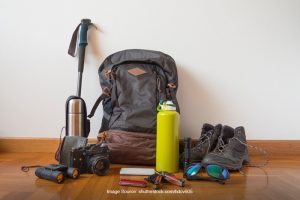
- Invest in proper hiking gear and footwear
- Stay hydrated and pack enough snacks
- Inform someone about your hiking plans
- Follow trail markers and signs
Popular Trails Around the World
- Appalachian Trail, USA
- Inca Trail, Peru
- Mount Kilimanjaro, Tanzania
- Overland Track, Australia
- Everest Base Camp Trek, Nepal
Importance of Safety Measures
- Carry a map, compass, or GPS device
- Check weather conditions before starting your hike
- Dress in layers and be prepared for changing weather
- Avoid hiking alone in remote areas
- Stay on marked trails and respect wildlife
Camping
Camping is a popular outdoor activity that allows individuals to disconnect from the hustle and bustle of everyday life and immerse themselves in nature. Whether you’re pitching a tent in the wilderness or enjoying a more luxurious glamping experience, camping offers a unique opportunity to unwind, explore the great outdoors, and create lasting memories with loved ones.
Types of Camping Experiences
- Wilderness Camping: This type of camping involves venturing into remote and undeveloped areas, where campers rely on minimal equipment and their survival skills.
- Glamping: Short for glamorous camping, glamping provides a more luxurious camping experience with amenities like comfortable beds, gourmet meals, and even spa services.
Tips for Planning a Camping Trip
- Choose a suitable location based on your camping experience level and preferences.
- Pack appropriate gear, including a tent, sleeping bags, cooking supplies, and clothing for varying weather conditions.
- Plan your meals and snacks in advance to ensure you have enough food for your entire trip.
- Be mindful of Leave No Trace principles to minimize your environmental impact and preserve the natural beauty of the area.
Environmental Impact and Conservation
- Camping can have both positive and negative environmental impacts, depending on how it is conducted.
- Minimize your impact by practicing Leave No Trace principles, such as packing out all trash, using designated campsites, and minimizing campfire impacts.
- Participate in conservation efforts by volunteering for trail maintenance, habitat restoration, or other projects to help preserve natural areas for future generations.
Cycling and Mountain Biking
Cycling and mountain biking are not only great outdoor activities but also excellent forms of exercise that offer numerous health benefits. Whether you choose to ride on paved roads, challenging mountain trails, or downhill tracks, cycling and mountain biking can significantly improve your physical fitness levels.
Benefits of Cycling and Mountain Biking for Physical Health
- Improves cardiovascular health: Cycling and mountain biking help strengthen the heart, lower blood pressure, and improve overall cardiovascular fitness.
- Builds muscle strength: Pedaling and navigating through rough terrains engage various muscle groups, leading to improved strength and endurance.
- Enhances joint flexibility: The low-impact nature of cycling and mountain biking helps improve joint mobility without putting too much stress on them.
- Boosts mental well-being: Riding through scenic routes and experiencing the thrill of conquering challenges can reduce stress levels and boost mental clarity.
Tips for Choosing the Right Cycling or Mountain Biking Route
- Consider your skill level: Choose a route that matches your experience and fitness level to ensure an enjoyable and safe ride.
- Research the terrain: Look into the terrain, elevation, and difficulty of the route to prepare adequately and avoid any surprises.
- Check the weather conditions: Be mindful of weather forecasts and choose a route that is suitable for the current weather conditions to stay safe.
Importance of Safety Gear When Cycling or Mountain Biking
- Helmet: Always wear a properly fitting helmet to protect your head in case of falls or accidents.
- Protective gear: Consider wearing knee and elbow pads, gloves, and appropriate clothing to protect yourself from injuries.
- Reflective gear: Make sure you are visible to other road users, especially when cycling in low light conditions.
Thrill of Downhill Mountain Biking and Its Challenges
Downhill mountain biking involves riding down steep and technical trails, providing an adrenaline rush and a unique cycling experience. However, it comes with its own set of challenges, including navigating through obstacles, maintaining control at high speeds, and ensuring proper bike handling techniques to stay safe and enjoy the ride to the fullest.
Fishing and Angling
Fishing and angling are both popular recreational activities involving the pursuit of fish, but there are some key differences between the two. Fishing is a broader term that encompasses various methods of catching fish, including using nets, traps, or spears. On the other hand, angling specifically refers to the technique of using a fishing rod and line to catch fish.
Differences between Fishing and Angling
- Fishing involves various methods of catching fish, such as nets and traps, while angling specifically refers to using a rod and line.
- Angling is often seen as a more traditional and leisurely activity compared to the more commercial aspects of fishing.
- Fishing may involve catching fish for consumption or sale, while angling is more focused on catch-and-release or recreational fishing.
Tips for Beginners Interested in Fishing and Angling
- Start with the basics: Learn about different types of fishing equipment and techniques before heading out to fish.
- Practice patience: Fishing and angling require time and patience, so be prepared to wait for the perfect catch.
- Respect the environment: Follow local fishing regulations and practice catch-and-release to preserve fish populations.
Best Fishing and Angling Destinations Around the World
- Alaska, United States: Known for its salmon and trout fishing in pristine wilderness settings.
- Great Barrier Reef, Australia: Offers world-class deep-sea fishing opportunities for a variety of species.
- Amazon River, Brazil: Home to diverse freshwater fish species and challenging angling experiences.
Importance of Catch-and-Release Practices in Fishing
Catch-and-release practices are crucial for preserving fish populations and maintaining ecological balance in aquatic environments. By releasing fish back into the water, anglers can ensure the sustainability of fish stocks and contribute to conservation efforts. Additionally, catch-and-release allows fish to continue breeding and growing, promoting healthy fish populations for future generations of anglers to enjoy.
Kayaking and Canoeing
Kayaking and canoeing are not only enjoyable water activities but also offer numerous physical fitness benefits. These activities provide a full-body workout, engaging muscles in the arms, back, shoulders, and core. Paddling helps improve cardiovascular health, strength, and endurance while also enhancing balance and coordination.
Benefits of Kayaking and Canoeing for Physical Fitness
- Improves cardiovascular health
- Strengthens upper body muscles
- Enhances core strength and stability
- Increases endurance and stamina
- Improves balance and coordination
Tips for Beginners Interested in Kayaking and Canoeing
- Take a beginner’s lesson to learn proper paddling techniques and safety precautions.
- Start in calm waters and gradually progress to more challenging conditions.
- Invest in the right equipment, including a properly fitted life jacket and paddle.
- Paddle with a buddy or in a group for added safety and support.
- Be mindful of weather conditions and water currents before heading out.
Popular Kayaking and Canoeing Routes for Adventurers
- Exploring the sea caves of Channel Islands National Park in California.
- Paddling through the mangrove forests of Everglades National Park in Florida.
- Navigating the whitewater rapids of the Colorado River in the Grand Canyon.
- Canoeing along the Boundary Waters Canoe Area Wilderness in Minnesota.
- Kayaking amidst the icebergs in Glacier Bay National Park, Alaska.
Environmental Impact of Kayaking and Canoeing
Kayaking and canoeing are generally low-impact activities that allow adventurers to experience nature up close without causing harm to the environment. However, it is essential to follow Leave No Trace principles, such as packing out all trash, respecting wildlife, and avoiding sensitive habitats. By practicing responsible paddling, individuals can minimize their impact on fragile ecosystems and contribute to the preservation of natural areas for future generations.
Rock Climbing and Bouldering
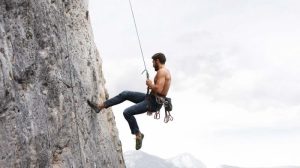
Rock climbing and bouldering are exhilarating outdoor activities that offer both physical and mental challenges. Climbing a rock face or boulder requires strength, endurance, problem-solving skills, and focus. It can be a rewarding experience as you push your limits and conquer obstacles in a natural setting.
Physical and Mental Challenges
- Physical challenges include strength, flexibility, and endurance to navigate difficult routes.
- Mental challenges involve problem-solving skills, decision-making under pressure, and overcoming fear of heights.
- Both activities require focus, concentration, and strategic planning to ascend the rock face or boulder successfully.
Tips for Beginners
- Start with indoor climbing gyms to learn basic techniques and build strength before attempting outdoor climbs.
- Work on improving your grip strength, footwork, and body positioning to enhance climbing efficiency.
- Practice falling techniques and communication with your climbing partner for safety.
Safety Measures and Equipment
- Always climb with a partner and use proper safety equipment such as a climbing harness, helmet, and climbing shoes.
- Learn how to tie essential knots, belay effectively, and understand climbing commands for communication.
- Inspect your gear regularly and follow safety protocols to prevent accidents or injuries.
Unique Rock Climbing Destinations
- Fontainebleau in France offers world-class bouldering with unique sandstone formations.
- Yosemite National Park in the USA is famous for its challenging big wall climbs like El Capitan.
- Kalymnos in Greece is a sport climbing paradise with stunning limestone cliffs overlooking the Aegean Sea.
Wildlife Watching and Birding
Wildlife watching and birding play a crucial role in conservation efforts by raising awareness about the importance of preserving habitats and protecting endangered species. By observing wildlife in their natural environment, enthusiasts can appreciate the beauty of nature and understand the need for conservation.
Importance of Responsible Wildlife Watching and Birding
- Respect wildlife and their habitats by observing from a safe distance and not disturbing their natural behavior.
- Avoid feeding wild animals as it can disrupt their diet and lead to dependency on human food sources.
- Follow designated trails and guidelines set by conservation organizations to minimize impact on the environment.
- Support ethical wildlife tourism operators who prioritize animal welfare and conservation practices.
Popular Wildlife Watching and Birding Destinations
- The Galapagos Islands, known for their unique biodiversity and up-close encounters with wildlife such as giant tortoises and blue-footed boobies.
- Maasai Mara National Reserve in Kenya, famous for its annual wildebeest migration and diverse bird species.
- The Amazon Rainforest, home to a vast array of wildlife including jaguars, macaws, and pink river dolphins.
- Yellowstone National Park in the United States, where visitors can spot grizzly bears, wolves, and bald eagles.
Role of Ecotourism in Wildlife Watching and Birding
- Ecotourism promotes sustainable travel practices that support conservation efforts and local communities.
- By participating in ecotourism activities, travelers can contribute to wildlife protection and habitat preservation.
- Ecotourism revenue can fund conservation projects and create economic incentives for communities to protect their natural resources.
- Responsible ecotourism helps ensure that future generations can continue to enjoy the beauty of wildlife and natural landscapes.
Trail Running
Trail running is a fantastic way to not only stay physically fit but also to connect with nature on a deeper level. The combination of challenging terrain, fresh air, and scenic views makes it a popular choice for outdoor enthusiasts looking for a more dynamic workout experience.
Benefits of Trail Running for Physical Health
- Improves cardiovascular fitness and endurance
- Strengthens muscles, especially in the legs and core
- Burns more calories than road running due to uneven terrain
- Helps improve balance, coordination, and agility
- Reduces stress and boosts mood through exposure to nature
Tips for Beginners Interested in Trail Running
- Start with shorter, easier trails to build up endurance
- Invest in proper trail running shoes with good grip and support
- Stay hydrated and carry necessary supplies like water and snacks
- Focus on your form and be mindful of your surroundings to avoid injuries
- Join a local trail running group or community for support and motivation
Popular Trail Running Routes for Enthusiasts
- Appalachian Trail (United States)
-Known for its challenging terrain and stunning views - Mont Blanc Trail (France, Italy, Switzerland)
-Offers a mix of rugged mountain paths and scenic meadows - Inca Trail (Peru)
-Combines ancient ruins with lush rainforest trails - Cape Wrath Trail (Scotland)
-A remote and challenging route through the Scottish Highlands - Ultra-Trail du Mont-Blanc (France, Italy, Switzerland)
-An iconic ultra-marathon route with breathtaking alpine scenery
Connection Between Trail Running and Nature Immersion
Trail running provides a unique opportunity to fully immerse yourself in nature, away from the hustle and bustle of urban life. The ever-changing terrain, fresh air, and natural surroundings can help reduce stress, improve mental clarity, and foster a deeper appreciation for the environment. By exploring trails on foot, runners can develop a strong bond with the natural world and experience a sense of freedom and connection that is hard to replicate elsewhere.
Adventure Sports
Adventure sports are thrilling activities that provide an adrenaline rush for enthusiasts seeking excitement and challenges. Engaging in these sports requires physical and mental strength, as well as a passion for pushing personal limits.
Types of Adventure Sports
- Rock Climbing
- White-Water Rafting
- Skydiving
- Paragliding
- Bungee Jumping
- Surfing
Safety Measures for Adventure Sports
- Always wear appropriate safety gear.
- Follow instructions from experienced guides or instructors.
- Check equipment thoroughly before engaging in any activity.
- Be aware of weather conditions and potential risks.
- Listen to your body and know your limits.
Challenges of Adventure Sports
Adventure sports can test both physical and mental endurance. Overcoming fear, staying focused, and maintaining composure in challenging situations are key aspects of participating in these activities. The unpredictability and element of risk add to the excitement and thrill of adventure sports.
Pushing Personal Limits
Engaging in adventure sports allows individuals to push beyond their comfort zones and discover new capabilities. The sense of accomplishment and empowerment that comes from conquering challenges in these sports can be incredibly rewarding. It fosters a sense of resilience and confidence that can translate into other areas of life.
Closing Notes
As we conclude our exploration of Fly Fishing Adventures, we hope you’re inspired to cast your line into the waters of excitement and tranquility. With conservation at its core, this recreational pursuit offers not just a catch, but a connection to the wonders of the natural world.
User Queries
What makes fly fishing a unique recreational activity?
Fly fishing combines skill, patience, and a deep connection to nature, offering a serene yet exhilarating experience for anglers.
What equipment is essential for a successful fly fishing trip?
Key gear includes a fly rod, reel, line, flies, waders, and polarized sunglasses to enhance your fishing adventure.
How can beginners make the most of their first fly fishing experience?
Start with basic casting techniques, learn about insect patterns, and practice catch-and-release methods to hone your skills and respect the environment.
Why is conservation important in the realm of fly fishing?
Conservation ensures the preservation of fish habitats and populations, safeguarding the future of this beloved sport for generations to come.