Embarking on Multi-Day Trekking Adventures opens up a world of excitement and challenges for outdoor enthusiasts. From rugged terrains to breathtaking landscapes, this experience promises unforgettable moments and a true test of endurance.
As we delve deeper into the realm of multi-day trekking, we uncover the essential aspects of preparation, gear selection, and navigation skills required to conquer this thrilling journey.
Multi-Day Trekking Adventures
Embarking on multi-day trekking adventures offers a unique opportunity to immerse oneself in nature, challenge personal limits, and disconnect from the hustle and bustle of daily life. The appeal lies in the sense of accomplishment, the breathtaking landscapes, and the chance to push physical and mental boundaries.
Physical and Mental Preparation
Undertaking a multi-day trek requires adequate physical fitness and mental preparedness. It is essential to engage in regular cardiovascular and strength training exercises to build endurance and stamina. Mental preparation involves developing a positive mindset, resilience, and problem-solving skills to overcome challenges along the way.
Selecting Gear and Equipment
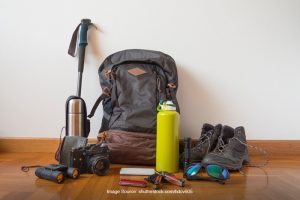
When selecting gear and equipment for a multi-day trek, it is crucial to prioritize comfort, durability, and weight. Invest in high-quality hiking boots, moisture-wicking clothing, a lightweight tent, a warm sleeping bag, a portable stove, and a reliable backpack. Consider the weather conditions and terrain of the trek to pack accordingly.
Importance of Navigation Skills
Navigation skills are paramount during multi-day trekking expeditions to ensure safety and reach designated checkpoints. Familiarize yourself with map reading, using a compass, and GPS devices. Pay attention to natural landmarks, trail markers, and topographical features to stay on course and avoid getting lost in unfamiliar wilderness.
Shopping Vacation
A shopping vacation is a type of leisure travel that focuses on exploring and experiencing the shopping scene in different destinations around the world. It has become increasingly popular among travelers who enjoy combining relaxation and recreation with retail therapy.
Popular Shopping Destinations
- Paris, France: Known for its high-end fashion boutiques and iconic department stores like Galeries Lafayette.
- Tokyo, Japan: Offers a mix of traditional markets like Tsukiji Fish Market and modern shopping districts like Ginza.
- Dubai, UAE: Features luxury shopping malls like The Dubai Mall and traditional souks for unique finds.
- New York City, USA: Home to famous shopping streets like Fifth Avenue and trendy neighborhoods like SoHo.
Benefits of Combining Leisure Travel with Shopping
- Unique Cultural Experience: Shopping in different countries allows travelers to immerse themselves in the local culture and traditions.
- Variety of Products: From designer labels to local handicrafts, shopping vacations offer a diverse range of products to choose from.
- Relaxation and Entertainment: Shopping can be a fun and therapeutic activity, providing a break from sightseeing and exploration.
Tips for Planning a Successful Shopping Vacation
- Research Shopping Destinations: Look into the shopping scene of your chosen destination to plan your itinerary accordingly.
- Set a Budget: Determine how much you are willing to spend on shopping to avoid overspending during your trip.
- Pack Light: Leave room in your luggage for new purchases and consider bringing an extra bag for souvenirs.
- Shop Like a Local: Explore markets and boutique stores off the beaten path to discover unique finds.
- Enjoy the Experience: Take your time, savor the shopping process, and make memories along the way.
Arctic and Polar Expeditions
Embarking on Arctic and Polar expeditions offers a truly unique and unforgettable experience for adventurous travelers. These extreme environments present both challenges and rewards that are unparalleled in any other type of travel.
The Significance of Eco-Friendly Practices
When exploring the Arctic and Polar regions, it is crucial to prioritize eco-friendly practices to minimize the impact on these delicate ecosystems. Some key practices include:
- Avoiding single-use plastics and opting for reusable alternatives
- Respecting wildlife and keeping a safe distance to avoid disruption
- Following designated trails and respecting protected areas
- Choosing eco-conscious tour operators to support sustainable tourism
Safety Tips for Arctic and Polar Expeditions
Traveling to the Arctic and Polar regions requires careful planning and preparation to ensure a safe journey. Here are some essential safety tips for travelers:
- Dress in layers to stay warm and protect against extreme cold
- Stay hydrated and nourished to maintain energy levels in harsh conditions
- Follow the guidance of experienced guides and be aware of potential risks
- Carry essential survival gear, including emergency communication devices
Music Festival Tour
Music festivals are a vibrant celebration of music, culture, and community that attract people from all walks of life. The energy and excitement of attending a music festival during your travels can create unforgettable memories and provide a unique insight into the local culture. From iconic festivals like Coachella in California to traditional celebrations like Oktoberfest in Germany, there is a diverse array of music festivals worldwide that offer something for everyone.
Highlighting Diversity and Cultural Significance
Music festivals showcase a wide range of musical genres, from rock and pop to electronic and folk music, reflecting the cultural diversity of each region. These events often feature local artists alongside international headliners, providing a platform for emerging talent and promoting cross-cultural exchange. Whether you’re into mainstream acts or underground artists, there is a music festival out there that will cater to your musical preferences and broaden your musical horizons.
Tips for Planning Your Music Festival Tour
- Research the lineup and schedule of each festival to prioritize your must-see acts.
- Consider the location and logistics of each festival to plan your travel itinerary efficiently.
- Pack essentials such as sunscreen, comfortable footwear, and a portable phone charger to stay prepared.
- Connect with fellow festival-goers and locals to enhance your overall experience and discover hidden gems.
Potential Challenges of Attending Multiple Festivals
- Budget constraints may limit the number of festivals you can attend or the type of experience you can afford.
- Travel fatigue from moving between festival locations can impact your enjoyment and energy levels.
- Overlapping schedules or last-minute lineup changes may require flexibility and quick decision-making to adapt your plans.
Rainforest Exploration
Rainforests are some of the most biodiverse and stunning destinations on the planet, offering a unique opportunity for travelers to immerse themselves in nature at its most vibrant. The lush greenery, diverse wildlife, and intricate ecosystems make rainforest exploration a truly captivating experience.
Biodiversity and Beauty of Rainforests
Rainforests are home to an incredible array of plant and animal species, with some estimates suggesting that they contain half of the world’s biodiversity. From colorful birds and exotic insects to majestic trees and vibrant flowers, every corner of the rainforest is teeming with life.
Conservation Efforts in Rainforest Preservation
Conservation efforts are crucial in preserving rainforest ecosystems, as deforestation and habitat destruction continue to threaten these valuable environments. Organizations and initiatives focused on protecting rainforests play a vital role in ensuring the survival of the diverse flora and fauna that call these forests home.
Unique Flora and Fauna in Rainforest Regions
Rainforests around the world each have their own distinct flora and fauna, adapted to their specific climate and conditions. From the Amazon Rainforest in South America to the Daintree Rainforest in Australia, travelers can encounter a wide variety of plant and animal species found nowhere else on earth.
Safety Tips for Rainforest Exploration
- Always stay on marked trails to avoid getting lost in the dense vegetation.
- Wear appropriate clothing and footwear to protect yourself from insects and rough terrain.
- Stay hydrated and carry sufficient water with you at all times.
- Be aware of wildlife and follow guidelines on how to behave in the presence of animals.
- Inform someone of your plans and expected return time before embarking on a rainforest trek.
Spiritual Pilgrimage
A spiritual pilgrimage is a journey undertaken by individuals seeking spiritual growth, enlightenment, or a deeper connection with their faith or beliefs. It involves visiting sacred sites, temples, churches, or natural landmarks that hold significance in a particular religion or spiritual tradition.
Concept of Spiritual Pilgrimage
Spiritual pilgrimage has been a tradition in various cultures and religions for centuries. It is a way for individuals to step out of their daily routines, reflect on their beliefs, and seek a deeper understanding of themselves and their place in the world.
Significance of Spiritual Sites and Pilgrimage Routes
Throughout the world, there are numerous spiritual sites and pilgrimage routes that hold great importance for believers. These places are often associated with miracles, divine revelations, or the lives of revered spiritual leaders, making them powerful symbols of faith and devotion.
Personal Stories and Experiences
- Visiting the Camino de Santiago in Spain was a life-changing experience for many pilgrims, offering a sense of community, inner reflection, and physical challenge.
- Exploring the ancient temples of Kyoto, Japan, provided a peaceful and meditative atmosphere that allowed for deep spiritual contemplation.
- Walking the sacred paths of Varanasi, India, enabled pilgrims to witness powerful rituals and connect with the spiritual essence of the Ganges River.
Tips for Planning a Spiritual Pilgrimage
- Research the significance and history of the spiritual sites you plan to visit to deepen your understanding and appreciation.
- Prepare physically and mentally for the journey, as pilgrimages often involve long walks, climbs, or challenges that test your endurance.
- Stay open-minded and receptive to new experiences, as spiritual pilgrimages can be transformative and unpredictable in their impact.
Geotourism Adventure
Geotourism focuses on promoting sustainable tourism that enhances the well-being of local communities and protects the environment. It encourages travelers to explore unique geological features while engaging with local cultures and supporting conservation efforts.
Popular Geotourism Destinations
- Grand Canyon, USA: Known for its stunning rock formations and geological history dating back millions of years.
- Galapagos Islands, Ecuador: Famous for its volcanic landscapes and diverse wildlife, offering a unique geological and ecological experience.
- Ring of Fire, Pacific Ocean: A region with active volcanoes and tectonic activity, showcasing the Earth’s dynamic geology.
Educational and Environmental Benefits
Geotourism adventures provide an opportunity for travelers to learn about the Earth’s history, geology, and environmental conservation. By visiting these destinations, tourists can gain a deeper understanding of the planet’s natural processes and the importance of preserving these unique landscapes for future generations.
Tips for Geotourism Travelers
- Research the geological significance of the destination before your trip to fully appreciate its unique features.
- Support local conservation efforts and sustainable tourism practices to minimize your impact on the environment.
- Engage with local communities and learn about their cultural connections to the geological sites you are visiting.
Birdwatching Vacation
Birdwatching vacations offer a unique opportunity for nature enthusiasts to immerse themselves in the beauty of the natural world and observe a wide variety of bird species in their natural habitats.
From the lush rainforests of South America to the vast savannas of Africa, birdwatchers can explore different regions around the world and discover the diverse array of bird species that inhabit each unique ecosystem.
Bird Species Diversity
- South America: Home to colorful macaws, toucans, and hummingbirds.
- Africa: Known for iconic species like ostriches, eagles, and flamingos.
- Asia: Rich in biodiversity with birds such as cranes, pheasants, and kingfishers.
- Europe: Hosts a variety of species including owls, swans, and warblers.
Tips for Birdwatching Enthusiasts
- Invest in a good pair of binoculars to observe birds from a distance.
- Learn to identify birds by their unique characteristics, such as plumage, size, and behavior.
- Practice patience and quiet observation to avoid disturbing the birds.
- Join guided birdwatching tours led by experts to enhance your experience.
Impact on Conservation
Birdwatching tourism plays a crucial role in conservation efforts by raising awareness about the importance of protecting natural habitats and wildlife. By supporting eco-friendly practices and responsible tourism, birdwatchers can contribute to the preservation of bird species and their environments.
Remote Island Retreat
Remote island retreats offer a unique appeal to travelers seeking seclusion and tranquility away from the hustle and bustle of everyday life. The promise of untouched natural beauty, pristine beaches, and a sense of isolation draws those looking to escape and unwind in a serene environment.
Unique Experiences and Activities
Remote islands provide a range of unique experiences and activities for visitors to enjoy. From snorkeling in crystal-clear waters teeming with marine life to hiking through lush jungles and discovering hidden waterfalls, there is no shortage of adventures to embark on. Visitors can also immerse themselves in the local culture, savoring traditional cuisine, and learning about the island’s history and traditions.
Tips for Planning a Retreat
- Research the destination thoroughly to understand the logistics and amenities available on the island.
- Pack essentials such as sunscreen, insect repellent, and comfortable clothing suitable for outdoor activities.
- Consider the best time to visit to avoid peak tourist seasons and enjoy a more peaceful experience.
- Book accommodations in advance to secure your stay and ensure a stress-free retreat.
Challenges and Rewards
Traveling to remote island destinations comes with its own set of challenges and rewards. While the journey may require multiple modes of transportation and careful planning, the ultimate reward of experiencing untouched beauty and peaceful seclusion can make it all worthwhile. The sense of disconnection from the outside world and the opportunity to reconnect with nature can be incredibly rejuvenating for the mind and spirit.
Volunteer Vacation
Volunteer vacation, also known as voluntourism, combines the joy of travel with the opportunity to give back to communities in need. It allows travelers to immerse themselves in local cultures, make a positive impact, and create meaningful connections with the people they are helping.
Types of Volunteer Opportunities
- Environmental Conservation: Participate in activities like reforestation, wildlife conservation, or beach clean-ups to help protect the environment.
- Community Development: Assist in building schools, homes, or infrastructure to support underprivileged communities.
- Education and Teaching: Teach English, provide tutoring, or conduct workshops to empower local children and adults.
- Healthcare Support: Volunteer in clinics, hospitals, or mobile health units to offer medical assistance to those in need.
Personal Experiences
“During my volunteer vacation in Costa Rica, I helped with sea turtle conservation efforts and had the chance to release hatchlings into the ocean. It was a truly rewarding experience that I will never forget.”
Tips for Travelers
- Research organizations: Look for reputable volunteer organizations with a proven track record of ethical and sustainable practices.
- Consider your skills: Choose volunteer opportunities that align with your skills and interests to make a meaningful contribution.
- Respect local culture: Take the time to learn about the local customs and traditions to ensure a respectful and impactful experience.
- Stay open-minded: Embrace new challenges and be flexible in your approach to make the most of your volunteer vacation.
Farm Stay Vacation
Embarking on a farm stay vacation offers a unique opportunity to immerse oneself in nature and local culture, providing a refreshing escape from the hustle and bustle of city life. The experience of staying on a farm can be enriching and rejuvenating, allowing for a deeper connection with the environment and the community.
Benefits of Farm Stay Vacations
- Immerse in Nature: Farm stays allow guests to enjoy the peace and tranquility of rural landscapes, surrounded by fields, forests, and wildlife.
- Local Culture: Interact with farmers and locals to learn about traditional practices, culinary delights, and daily life in the countryside.
- Farm-to-Table Experience: Enjoy fresh, organic produce straight from the farm, participating in activities like harvesting, cooking, and tasting local dishes.
- Relaxation and Rejuvenation: Escape the stress of urban living and unwind in a serene environment, breathing in fresh air and embracing a slower pace of life.
Tips for Planning a Farm Stay Vacation
- Research Farms: Look for farms that offer accommodations, activities, and experiences that align with your interests and preferences.
- Pack Accordingly: Be prepared for outdoor activities, varying weather conditions, and rustic accommodations by packing appropriate clothing and gear.
- Respect Nature and Community: Follow farm rules, respect the environment, and engage with local customs to ensure a harmonious stay.
- Embrace the Experience: Be open to new adventures, try new things, and embrace the simplicity and beauty of farm life during your stay.
Activities and Experiences on Farm Stays
- Animal Care: Participate in feeding, grooming, or milking animals on the farm, learning about animal husbandry and farm life.
- Field Work: Help with planting, harvesting, or tending to crops, gaining hands-on experience in agricultural practices.
- Cooking Classes: Learn to prepare traditional dishes using farm-fresh ingredients, guided by local chefs or farm hosts.
- Outdoor Adventures: Explore nature trails, go horseback riding, or engage in fishing, hiking, or biking activities on the farm.
Educational Vacation
Embarking on an educational vacation offers a unique opportunity for lifelong learning and personal growth. It allows individuals to explore new cultures, acquire new skills, and gain a deeper understanding of the world around them.
Types of Educational Vacation Programs
- Language Immersion Programs: These programs provide the opportunity to learn a new language in a native-speaking environment.
- Cultural Exchange Programs: Participants can immerse themselves in a different culture through homestays, workshops, and cultural activities.
- Historical Tours: Guided tours to historical sites offer insight into the past and help participants understand the events that shaped our world.
- Outdoor Education Programs: These programs focus on environmental conservation, outdoor skills, and wilderness survival.
Tips for Selecting an Educational Vacation
- Consider Your Interests: Choose a program that aligns with your interests and goals for personal growth.
- Research the Program: Look into the program’s itinerary, accommodations, and reviews to ensure it meets your expectations.
- Check for Accreditation: If you are looking for a program with educational credits, make sure it is accredited by a reputable organization.
- Plan Ahead: Book your educational vacation well in advance to secure your spot and make necessary preparations.
Impact of Educational Vacations
Participating in educational vacations not only expands knowledge but also fosters cultural understanding and awareness. It promotes empathy, tolerance, and appreciation for diversity, ultimately leading to a more interconnected and harmonious world.
Hiking and Trekking
Hiking and trekking are not only enjoyable outdoor activities but also offer numerous health benefits. These activities help improve cardiovascular fitness, strengthen muscles, lower blood pressure, and reduce stress levels.
Health Benefits of Hiking and Trekking
- Boosts cardiovascular health and fitness
- Strengthens muscles and improves endurance
- Reduces stress and anxiety levels
- Helps in weight management and improves overall mental well-being
Popular Hiking and Trekking Destinations
- The Inca Trail, Peru
- Mount Kilimanjaro, Tanzania
- The Appalachian Trail, United States
- The Tour du Mont Blanc, France, Italy, Switzerland
Tips for Beginners in Hiking and Trekking
- Start with shorter and easier trails to build stamina
- Invest in proper hiking gear and footwear
- Stay hydrated and carry necessary supplies like snacks and a first aid kit
- Always inform someone about your hiking plans and expected return time
Environmental Impact of Hiking and Trekking
Hiking and trekking can have an environmental impact on natural landscapes if not done responsibly. It is essential for hikers to follow leave-no-trace principles, stay on designated trails, and respect wildlife and vegetation to minimize their footprint on the environment.
Camping
Camping is a popular recreational outdoor activity that allows individuals to immerse themselves in nature, away from the hustle and bustle of daily life. It offers a unique opportunity to disconnect from technology, relax, and appreciate the beauty of the natural environment.
Types of Camping Experiences
- Wilderness Camping: Involves setting up camp in remote, undeveloped areas, providing a true back-to-nature experience.
- Glamping: Combines the outdoor experience with luxury amenities such as comfortable beds, gourmet meals, and hot showers.
- Car Camping: Involves driving to a designated campsite where tents or RVs can be set up near the vehicle for convenience.
Tips for Planning a Successful Camping Trip
- Research the camping location, including rules, amenities, and weather conditions.
- Pack appropriate gear such as tents, sleeping bags, cooking supplies, and clothing for various weather conditions.
- Prepare a detailed camping checklist to ensure you have all necessary items before heading out.
- Plan meals in advance and consider easy-to-cook options for a stress-free camping experience.
- Leave no trace by cleaning up after yourself and respecting the natural environment.
Benefits of Disconnecting and Reconnecting with Nature
Camping provides a much-needed break from technology and screens, allowing individuals to focus on the present moment and appreciate the sights and sounds of nature. It offers a chance to relax, recharge, and rejuvenate both mentally and physically. Disconnecting from technology during camping can reduce stress levels, improve sleep quality, and enhance overall well-being.
Cycling and Mountain Biking
Cycling and mountain biking offer thrilling adventures that allow you to explore scenic trails and rugged terrains while enjoying the great outdoors. Whether you’re a beginner or experienced rider, the excitement of navigating through challenging paths and soaking in breathtaking views is unparalleled.
Popular Cycling and Mountain Biking Trails
- Moab, Utah: Known for its red rock landscapes and diverse terrain, Moab offers a variety of trails for all skill levels.
- Whistler, British Columbia: Home to world-class mountain biking trails, Whistler attracts riders from around the globe seeking adrenaline-pumping experiences.
- Finale Ligure, Italy: This coastal town in Italy features a network of trails that cater to both beginners and advanced riders, with stunning views of the Mediterranean Sea.
Tips for Beginners
- Start with the right gear: Invest in a good quality bike and safety equipment such as a helmet, gloves, and padded shorts.
- Take lessons: Consider enrolling in a beginner’s mountain biking course to learn proper techniques and safety precautions.
- Build endurance: Start with shorter rides and gradually increase your distance and difficulty level to build your stamina and skills.
Physical and Mental Benefits
- Physical health: Cycling and mountain biking help improve cardiovascular fitness, strengthen muscles, and enhance overall endurance.
- Mental well-being: Riding in nature can reduce stress, boost mood, and increase mental clarity, providing a sense of peace and relaxation.
- Social connections: Joining group rides or biking clubs can help you connect with like-minded individuals and form new friendships while enjoying the sport.
Fishing and Angling
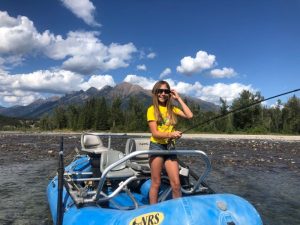
Fishing and angling are popular recreational activities that offer a perfect blend of relaxation and enjoyment for outdoor enthusiasts. Whether you are casting a line into a tranquil freshwater lake or battling a big game fish in the open sea, fishing provides a unique connection with nature and a chance to unwind amidst beautiful surroundings.
Types of Fishing Experiences
- Freshwater Fishing: This type of fishing is typically done in lakes, rivers, and streams, targeting species like trout, bass, and catfish. It is a great way for beginners to learn the basics of fishing in a more controlled environment.
- Deep-Sea Fishing: Deep-sea fishing involves heading out to the open ocean in search of large marine species such as tuna, marlin, and swordfish. It offers an adrenaline-pumping experience for those looking to challenge themselves and land some impressive catches.
- Fly Fishing: Fly fishing is a specialized technique that uses artificial flies as bait to target species like salmon and trout. It requires skill and finesse, making it a favorite among seasoned anglers.
Tips for Beginners
- Start with the Right Gear: Invest in basic fishing equipment such as a rod, reel, fishing line, and bait appropriate for the type of fishing you plan to do.
- Learn Basic Techniques: Practice casting and reeling in your line to get a feel for the motion and timing required to catch fish.
- Observe and Adapt: Pay attention to the behavior of fish, water conditions, and weather patterns to improve your chances of success.
Conservation and Sustainability
- Catch and Release: Practice responsible fishing by releasing fish back into the water whenever possible to help maintain healthy fish populations.
- Follow Regulations: Abide by fishing regulations and size limits to protect vulnerable species and preserve the ecosystem.
- Support Conservation Efforts: Get involved in local conservation initiatives or donate to organizations dedicated to preserving aquatic habitats and marine life.
Kayaking and Canoeing
Kayaking and canoeing offer a unique opportunity to connect with nature and experience a sense of tranquility while exploring waterways around the world. The gentle sound of paddles dipping into the water, the sight of lush landscapes passing by, and the feeling of being surrounded by nature create a serene and peaceful experience for adventurers.
Tranquil Waterways
- Kayaking in the calm waters of Lake Tahoe in California provides stunning views of the surrounding mountains and forests.
- Canoeing along the Allagash Wilderness Waterway in Maine offers a chance to spot wildlife like moose and bald eagles in a remote and pristine setting.
- Exploring the crystal-clear waters of the Adriatic Sea in Croatia allows paddlers to discover hidden caves and secluded beaches along the coastline.
Mastering Paddling Skills
- Start by practicing basic paddling techniques in calm waters before venturing into more challenging environments.
- Learn how to properly hold and maneuver a paddle to control the direction and speed of your kayak or canoe.
- Focus on maintaining good posture and using your core muscles to power your strokes efficiently.
Safety and Equipment Essentials
- Always wear a properly fitted life jacket and ensure you have a whistle or signaling device in case of emergencies.
- Check the weather forecast before heading out on the water and be prepared for changing conditions.
- Carry essential safety gear such as a bilge pump, paddle float, and navigation tools to enhance your preparedness on the water.
Rock Climbing and Bouldering
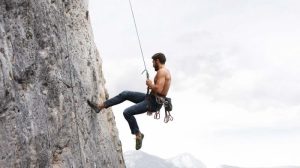
Rock climbing and bouldering are exhilarating outdoor activities that challenge both the physical and mental capabilities of participants. These activities require strength, agility, problem-solving skills, and focus to navigate the unique rock formations and obstacles encountered along the way.
Famous Rock Climbing and Bouldering Sites
- Yosemite National Park, USA: Known for iconic routes like El Capitan and Half Dome, offering a variety of climbing experiences for all skill levels.
- Fontainebleau, France: A renowned bouldering destination with sandstone boulders and diverse climbing styles set in a picturesque forest.
- Joshua Tree National Park, USA: Famous for its granite rock formations and challenging climbs amidst the desert landscape.
Tips for Beginners in Rock Climbing
- Start with indoor climbing gyms to learn basic techniques and build strength before tackling outdoor climbs.
- Invest in proper climbing shoes and gear for safety and comfort during climbs.
- Learn how to tie essential knots, belay properly, and communicate effectively with climbing partners.
- Always double-check safety equipment and harnesses before starting a climb to prevent accidents.
Rock Climbing Community and Culture
- The rock climbing community is known for its camaraderie and supportive nature, with climbers often sharing tips, routes, and experiences with one another.
- Climbing culture emphasizes respect for nature, responsible climbing practices, and Leave No Trace principles to preserve climbing areas for future generations.
- Participating in climbing competitions and events can help connect with like-minded individuals and improve skills through friendly competition.
Wildlife Watching and Birding
Wildlife watching and birding provide a thrilling and exciting experience for nature enthusiasts, allowing them to observe animals and birds in their natural habitats. It offers a unique opportunity to connect with the natural world and appreciate the beauty of wildlife up close.When it comes to popular destinations for wildlife watching and birding, places like the Galapagos Islands, Maasai Mara in Kenya, Kruger National Park in South Africa, and the Amazon Rainforest are known for their diverse wildlife species and stunning landscapes.
These locations attract visitors from around the globe seeking unforgettable encounters with animals and birds.
Tips for Identifying and Observing Wildlife
- Bring binoculars and a field guide to help with identifying different species.
- Practice patience and be quiet to avoid scaring away animals or birds.
- Learn about animal behavior to anticipate movements and interactions.
- Respect the animals’ space and avoid getting too close for safety.
Ethical Considerations and Responsible Practices
- Observe animals from a distance to avoid disturbing their natural behavior.
- Avoid feeding wildlife as it can disrupt their diet and lead to dependency on humans.
- Stay on designated trails to minimize impact on the environment and wildlife habitats.
- Support conservation efforts and responsible tourism practices to protect wildlife and their habitats.
Trail Running
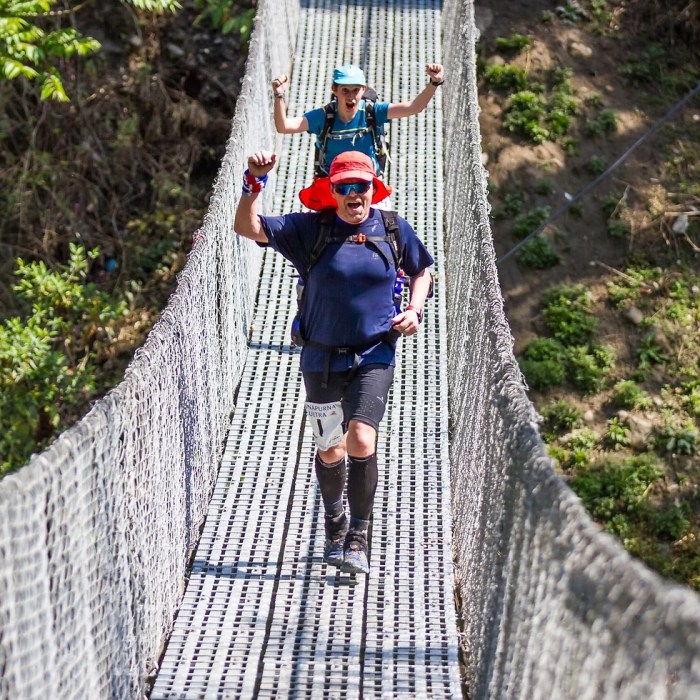
Trail running offers a unique experience of connecting with nature while pushing your physical limits. The thrill of navigating rugged terrain and challenging landscapes can be both exhilarating and rewarding.
Benefits of Trail Running
- Improves cardiovascular fitness: Running on uneven terrain engages more muscles and increases heart rate, leading to improved cardiovascular endurance.
- Enhances mental well-being: The peaceful surroundings of nature can reduce stress and anxiety, promoting mental clarity and overall well-being.
- Strengthens muscles: Trail running works different muscle groups compared to road running, leading to overall strength and muscle tone improvement.
- Boosts agility and coordination: Negotiating obstacles like rocks, roots, and steep inclines can improve balance, coordination, and agility.
Tips for Beginners
- Start slow: Begin with shorter distances and gradually increase the intensity and duration of your runs to avoid overexertion.
- Invest in proper footwear: Trail running shoes with good traction and support are essential for navigating uneven terrain and preventing injuries.
- Stay hydrated: Carry an adequate supply of water and stay hydrated throughout your run, especially in remote areas with limited access to water sources.
- Focus on technique: Maintain a shorter stride, keep your eyes on the trail ahead, and use your arms for balance and momentum on challenging terrain.
Gear and Training
- Essential gear: Apart from trail running shoes, consider wearing moisture-wicking clothing, a hydration pack, a headlamp for low-light conditions, and a GPS watch for navigation.
- Training regimen: Incorporate strength training, hill repeats, and cross-training activities like hiking and yoga to improve overall fitness and endurance for trail running.
- Trail etiquette: Respect nature and fellow trail users by staying on marked trails, yielding to hikers, and leaving no trace of your presence in the wilderness.
- Emergency preparedness: Carry a first aid kit, emergency whistle, and know how to navigate using a map and compass in case of unforeseen circumstances.
Adventure Sports
Adventure sports are thrilling and exhilarating activities that push individuals out of their comfort zones and into exciting experiences. From extreme sports like skydiving and bungee jumping to recreational activities like hiking and rock climbing, adventure sports offer a wide range of options for adrenaline junkies and outdoor enthusiasts alike.
Types of Adventure Sports
- Extreme Sports: Activities like base jumping, white-water rafting, and snowboarding that involve high levels of risk and excitement.
- Recreational Sports: Hiking, camping, and cycling are more leisurely activities that still provide a sense of adventure and exploration.
- Aerial Sports: Paragliding, hang gliding, and skydiving offer a unique perspective from high above the ground.
- Water Sports: Surfing, kayaking, and scuba diving allow participants to engage with the natural elements of water in thrilling ways.
Tips for Beginners
- Start Slow: Begin with less intense activities like hiking or kayaking before moving on to more extreme sports.
- Take Lessons: Always seek instruction from qualified professionals to ensure safety and proper technique.
- Invest in Gear: Purchase or rent high-quality equipment to enhance your experience and protect yourself during activities.
- Know Your Limits: Listen to your body and don’t push yourself beyond your capabilities to avoid injuries.
Safety Measures
- Wear Protective Gear: Helmets, harnesses, and safety equipment should always be worn during adventure sports.
- Check Weather Conditions: Be aware of weather forecasts and avoid risky activities in dangerous conditions.
- Stay Hydrated: Drink plenty of water and stay nourished to keep your energy levels up during physical activities.
- Travel in Groups: Always participate in adventure sports with a buddy or group to ensure assistance in case of emergencies.
Closing Summary
In conclusion, Multi-Day Trekking Adventures offer a unique blend of physical exertion, mental resilience, and unparalleled natural beauty. Whether you seek solitude in the wilderness or camaraderie among fellow trekkers, this adventure is sure to leave an indelible mark on your soul.
User Queries
What kind of physical preparation is necessary for a multi-day trek?
Physical fitness is crucial for a multi-day trek. It’s recommended to engage in regular cardio and strength training exercises to build endurance and muscle strength.
How do you navigate during a multi-day trek?
Navigation skills are essential. It’s advisable to carry a map, compass, or GPS device. Familiarize yourself with reading maps and understanding topography.
What type of gear is essential for a multi-day trek?
Quality hiking boots, a sturdy backpack, appropriate clothing layers, a reliable tent, sleeping bag, and cooking equipment are some of the key gear items needed for a multi-day trek.
How do you ensure safety during a multi-day trek?
Inform someone of your itinerary, carry emergency supplies, stay hydrated, be aware of weather conditions, and follow Leave No Trace principles to ensure safety during a multi-day trek.