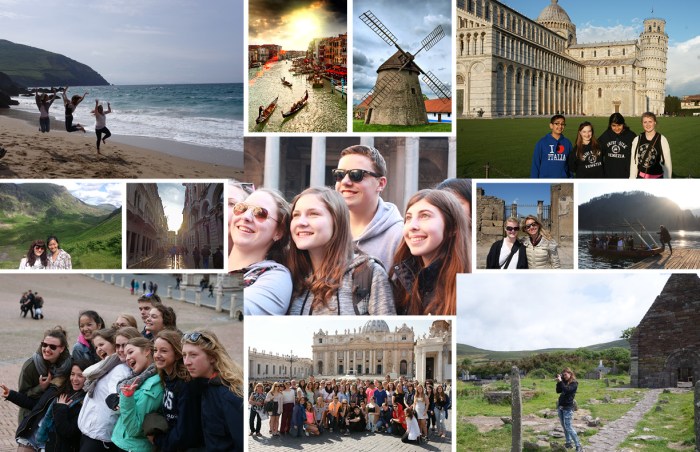
Embark on a journey beyond textbooks and lectures with Top Educational Tours for Students. Explore a world where learning merges seamlessly with adventure, culture, and nature, offering students a holistic educational experience like never before.
From shopping vacations to arctic expeditions, music festival tours to rainforest explorations, this guide will dive into unique and enriching educational opportunities that await students around the globe.
Shopping Vacation
Shopping vacations combine leisure and education by offering students the opportunity to explore unique shopping experiences around the world. These tours not only expose students to different cultures and traditions but also teach valuable lessons in budgeting, negotiation, and cultural awareness.
Destinations with Unique Shopping Experiences
- Paris, France – Known for high-end fashion boutiques and iconic department stores like Galeries Lafayette.
- Tokyo, Japan – Offers a mix of traditional markets in Asakusa and modern shopping centers in Shibuya.
- Istanbul, Turkey – Famous for its Grand Bazaar, one of the oldest and largest covered markets in the world.
Benefits of Integrating Shopping into Educational Tours
- Enhances Cultural Understanding: Students can learn about local customs, traditions, and craftsmanship through shopping experiences.
- Practical Life Skills: Shopping allows students to practice budgeting, bargaining, and decision-making in a real-world setting.
- Social Interaction: Interacting with local vendors and artisans fosters communication skills and promotes cultural exchange.
Arctic and Polar Expeditions
Arctic and Polar expeditions offer students a unique educational experience like no other. These expeditions provide a hands-on learning opportunity that allows students to witness the incredible beauty and harsh realities of these remote regions.
Diverse Ecosystems and Wildlife
Exploring the Arctic and Polar regions exposes students to a wide range of diverse ecosystems and wildlife. From the icy tundra to the vast expanses of sea ice, students can observe unique adaptations of plants and animals to survive in extreme conditions.
- Students can witness the migration patterns of Arctic animals such as polar bears, seals, and whales, gaining a deeper understanding of the delicate balance of these ecosystems.
- The opportunity to see rare species like Arctic foxes and reindeer in their natural habitat provides a firsthand look at biodiversity in the region.
- Exploring the marine life beneath the icy waters offers insights into the importance of ocean conservation and the impact of climate change on these fragile ecosystems.
Importance of Sustainability and Conservation
Arctic and Polar expeditions also highlight the crucial importance of sustainability and conservation efforts in preserving these pristine environments for future generations.
- Students can learn about the impact of human activities such as pollution and overfishing on Arctic ecosystems, emphasizing the need for sustainable practices to protect these fragile habitats.
- Understanding the effects of climate change on the Arctic and Polar regions can inspire students to take action in their own communities to reduce carbon emissions and promote environmental conservation.
- By witnessing the beauty and biodiversity of these regions firsthand, students are encouraged to become stewards of the environment and advocates for sustainable practices in their daily lives.
Music Festival Tour
Music festivals offer a unique blend of entertainment and education for students, allowing them to immerse themselves in different cultures and musical genres while gaining valuable insights into the world of music.
Cultural Significance of Music Festivals
Music festivals hold immense cultural significance in various parts of the world, serving as platforms for artists to showcase their talents, celebrate traditions, and bring people together in a shared love for music. From the vibrant celebrations of Carnaval in Brazil to the spiritual chants of the Kumbh Mela in India, each festival offers a glimpse into the rich cultural tapestry of its host country.
Learning Outcomes for Students
- Exposure to diverse musical genres and styles, expanding their appreciation for music beyond familiar genres.
- Understanding the historical and cultural context of different musical traditions, deepening their knowledge of global music heritage.
- Opportunities to interact with musicians, attend workshops, and participate in performances, fostering creativity and musical skills.
- Enhanced cross-cultural communication and empathy through engaging with people from different backgrounds and traditions.
- Development of organizational and teamwork skills through planning and coordinating group activities during the festival tour.
Rainforest Exploration
Exploring the rainforest offers incredible educational opportunities for students to learn about biodiversity, ecosystems, and conservation efforts. It is a chance to witness firsthand the wonders of nature and understand the importance of preserving these vital habitats.
Educational Opportunities
- Study biodiversity: Students can observe a wide variety of plant and animal species, learning about their adaptations and interdependence.
- Understand ecosystems: Exploring the rainforest allows students to see how different organisms interact and contribute to the overall balance of the ecosystem.
- Learn about conservation: Through guided tours and educational programs, students can gain insight into the threats facing rainforests and the importance of conservation efforts.
Importance of Conservation
Rainforest conservation is crucial for maintaining global biodiversity, combating climate change, and preserving indigenous cultures. Sustainable practices are necessary to protect these valuable ecosystems for future generations.
“Rainforests are often called the ‘lungs of the Earth’ because they produce a significant amount of the world’s oxygen.”
Tips for Safe Exploration
- Always follow the guidance of experienced guides who are knowledgeable about the area.
- Stay on designated paths to avoid damaging delicate plant life and disturbing wildlife.
- Be prepared for the environment with proper gear, including insect repellent, sturdy shoes, and rain protection.
- Respect the local culture and customs, and support sustainable tourism practices that benefit the community.
Spiritual Pilgrimage
Spiritual pilgrimages are not only traditional journeys to sacred sites but also valuable educational experiences for students. These journeys offer a unique opportunity for individuals to connect with their inner selves, explore different cultures and religions, and seek personal growth and enlightenment.
Pilgrimage Sites
- The Camino de Santiago in Spain: This ancient pilgrimage route is popular among students and travelers alike, offering a chance to walk through picturesque landscapes and visit historic churches and cathedrals.
- Varanasi, India: Known as the spiritual capital of India, Varanasi is a sacred city on the banks of the Ganges River where students can witness Hindu rituals and immerse themselves in the rich culture and traditions of the country.
- Mecca, Saudi Arabia: As the holiest city in Islam, Mecca is a significant pilgrimage site for Muslims around the world. Students can experience the Hajj pilgrimage and learn about the importance of unity and faith in Islam.
Impact on Personal Growth
Spiritual journeys have a profound impact on personal growth and development, allowing students to reflect on their beliefs, values, and purpose in life. These experiences often lead to increased self-awareness, empathy, and a deeper understanding of different cultures and religions.
Geotourism Adventure
Geotourism involves exploring destinations while focusing on the unique geology, culture, and environment of the area. This type of tourism promotes sustainable practices and conservation efforts, making it an excellent educational opportunity for students to learn about the natural world and different cultures.
Geotourism Destinations
- Grand Canyon, USA: Students can study the rock formations and geological history of one of the world’s most famous canyons.
- Galapagos Islands, Ecuador: Offers a chance to observe unique wildlife species and learn about volcanic activity.
- Ring of Fire, Pacific Ocean: Provides insights into tectonic plate movements and volcanic eruptions.
- Great Barrier Reef, Australia: Students can explore the coral reef ecosystem and understand the importance of marine conservation.
Importance of Sustainable Geotourism
Sustainable geotourism practices are crucial for preserving natural environments and cultural heritage for future generations. By promoting responsible travel behaviors, such as minimizing waste and respecting local traditions, students can actively contribute to conservation efforts while gaining valuable insights into the interconnectedness of our planet’s ecosystems.
Birdwatching Vacation
Birdwatching vacations offer a unique opportunity for students to connect with nature, learn about different bird species, and contribute to environmental conservation efforts. By observing birds in their natural habitats, students can gain a deeper appreciation for the importance of biodiversity and the role of birds in maintaining healthy ecosystems.
Different Bird Species and Their Habitats
- North America: Explore the diverse bird species found in the forests of the Pacific Northwest, the wetlands of the Everglades, or the grasslands of the Great Plains.
- South America: Discover the colorful toucans in the Amazon rainforest, the majestic condors in the Andes mountains, or the unique hummingbirds in the cloud forests of Colombia.
- Africa: Witness the spectacular migration of flamingos in East Africa, the iconic ostriches in the savannas of Kenya, or the endangered African penguins along the coasts of South Africa.
- Asia: Experience the vibrant bird markets of Hong Kong, the ancient cranes in Japan, or the elusive snow leopards in the Himalayas.
Role of Birdwatching in Promoting Conservation Awareness
- Education: Birdwatching vacations provide students with hands-on learning experiences that highlight the importance of protecting natural habitats and preserving biodiversity.
- Community Involvement: By engaging with local guides and conservationists during birdwatching excursions, students can learn about ongoing conservation efforts and contribute to sustainable ecotourism practices.
- Advocacy: Observing threatened or endangered bird species in the wild can inspire students to become advocates for conservation and participate in citizen science projects aimed at monitoring bird populations and habitats.
Remote Island Retreat
Embarking on a remote island retreat can offer students a unique and enriching educational experience unlike any other. These secluded destinations provide a valuable opportunity for learning beyond the classroom, allowing students to immerse themselves in the natural and cultural wonders of these isolated locations.
Educational Aspects
Remote island retreats present a host of educational benefits for students. From studying diverse ecosystems and marine life to learning about sustainable living practices and conservation efforts, these secluded islands offer a hands-on approach to environmental education. Students can engage in activities such as snorkeling, hiking, and wildlife observation, gaining valuable insights into the importance of preserving fragile ecosystems.
Cultural Significance
- Remote islands often have rich cultural histories and traditions that students can explore and learn from. Visiting local communities can provide insight into unique ways of life, traditional practices, and the challenges faced by island residents.
- Students can also participate in cultural exchanges, workshops, and community service projects to gain a deeper understanding of the cultural significance of remote islands and their communities.
Tips for Planning
- Research the destination thoroughly to understand the local customs, language, and traditions.
- Work with reputable tour operators or educational organizations that specialize in remote island retreats to ensure a well-organized and safe experience.
- Pack essentials such as sunscreen, insect repellent, sturdy footwear, and reusable water bottles for a comfortable stay on the island.
- Encourage students to keep an open mind and embrace new experiences, whether it be trying local cuisine or participating in cultural activities.
- Prepare students for limited connectivity and resources on remote islands, emphasizing the importance of self-sufficiency and adaptability.
Volunteer Vacation
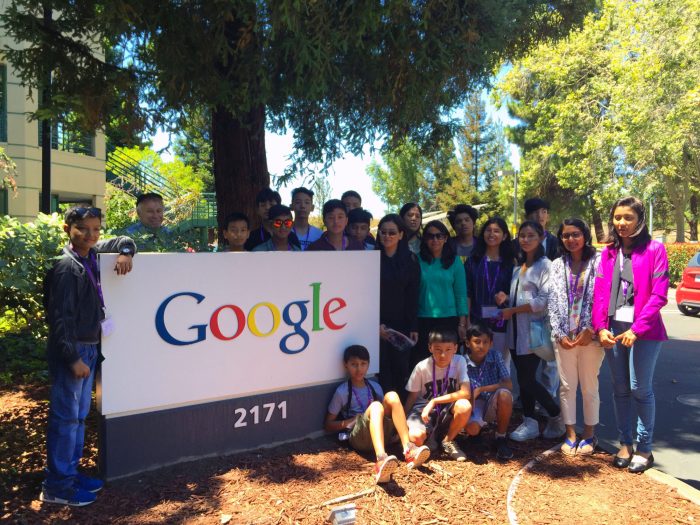
Volunteer vacations offer students a unique opportunity to combine travel with giving back to communities in need. Engaging in volunteer work during vacations can have a profound impact on personal development and global awareness.
Educational Benefits
Participating in volunteer vacations allows students to gain hands-on experience in various fields while making a positive impact on society. This practical learning experience goes beyond the classroom, fostering critical thinking, problem-solving skills, and empathy.
Impact on Personal Development
Volunteer work during vacations helps students develop a sense of responsibility, compassion, and cultural understanding. It can boost self-confidence, resilience, and interpersonal skills, preparing them for future challenges and opportunities.
Global Awareness
Engaging in volunteer opportunities abroad exposes students to different cultures, traditions, and socio-economic realities. This firsthand experience broadens their perspective, promotes tolerance, and encourages active citizenship in a globalized world.
Volunteer Opportunities
- Teaching English or other subjects in underserved communities
- Assisting in wildlife conservation projects
- Building schools, homes, or community facilities in developing regions
- Providing healthcare services in remote areas
- Supporting environmental initiatives like reforestation or clean-up campaigns
Farm Stay Vacation
Exploring the world of agriculture and sustainability through farm stay vacations can offer students a unique and enriching educational experience. These vacations provide firsthand insights into the daily operations of a working farm, allowing students to connect with nature and farm life in a meaningful way.
Educational Insights
- Students can learn about different farming practices and techniques, gaining a deeper understanding of where their food comes from.
- They can observe sustainable farming methods in action, such as composting, crop rotation, and water conservation, promoting environmental awareness and responsibility.
- Exploring the farm-to-table process can help students appreciate the importance of local food systems and the impact of their food choices on the environment.
Benefits of Connecting with Nature
- Spending time in nature has been shown to reduce stress, improve mental well-being, and enhance creativity, offering students a break from their usual routines.
- Interacting with animals on the farm can teach students compassion, responsibility, and empathy towards living creatures.
- Engaging in outdoor activities like hiking, gardening, or stargazing can foster a sense of appreciation for the natural world and encourage physical activity.
Hands-On Learning Experiences
- Students can participate in farm chores, such as feeding animals, harvesting crops, or milking cows, gaining practical skills and a sense of accomplishment.
- Workshops and demonstrations on topics like cheese making, beekeeping, or organic gardening can provide valuable hands-on learning experiences outside the classroom.
- Exploring the interconnectedness of ecosystems and biodiversity on the farm can deepen students’ understanding of environmental science and conservation efforts.
Educational Vacation
Taking educational vacations is a fantastic way for students to learn outside of the traditional classroom setting. These trips provide hands-on learning experiences, cultural immersion, and exposure to new ideas and perspectives that can greatly enhance a student’s academic knowledge and personal growth.
Examples of Educational Vacation Programs
- Language Immersion Programs: Students can travel to a foreign country to immerse themselves in the language and culture, improving language skills and cultural awareness.
- Science and Nature Expeditions: Trips to national parks, museums, and research centers allow students to learn about ecosystems, wildlife, and conservation efforts firsthand.
- Cultural Heritage Tours: Visits to historical sites, museums, and monuments help students gain a deeper understanding of the world’s diverse cultures and histories.
Impact of Educational Vacations
Educational vacations have a profound impact on students’ academic performance and personal growth. By engaging in experiential learning opportunities, students are able to retain information better, develop critical thinking skills, and improve their problem-solving abilities. These trips also foster a sense of independence, adaptability, and cultural competency, all of which are valuable skills for success in today’s global society.
Hiking and Trekking
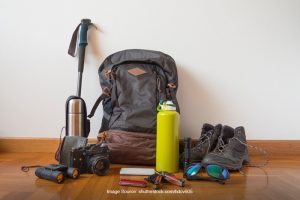
Exploring the great outdoors through hiking and trekking can offer valuable educational experiences for students. These activities provide opportunities for hands-on learning, environmental awareness, and personal growth.
Educational Benefits
- Students can learn about local flora and fauna, geology, geography, and history while hiking through different terrains.
- Interacting with nature can enhance students’ understanding of ecosystems and sustainability, fostering a sense of environmental responsibility.
- Hiking and trekking can also teach students important skills such as navigation, teamwork, and problem-solving.
Physical and Mental Health Advantages
- Engaging in hiking and trekking activities promotes physical fitness, endurance, and overall well-being.
- Being in nature can reduce stress, improve mood, and enhance mental clarity, benefiting students’ mental health.
- Experiencing the sense of accomplishment from reaching a summit or completing a challenging trail can boost students’ self-confidence and resilience.
Tips for Planning Safe Adventures
- Ensure students are adequately prepared with proper gear, clothing, food, and water for the hike.
- Plan routes that match the skill level and physical capabilities of the students to avoid unnecessary risks.
- Teach students about Leave No Trace principles to minimize their impact on the environment and wildlife.
Camping
Camping trips offer a unique educational experience for students, allowing them to learn valuable skills and knowledge in a hands-on outdoor setting.
Educational Value of Camping Trips
Organizing a camping trip for students can provide numerous educational benefits beyond the traditional classroom environment. Here are some key points to consider:
- Outdoor Education: Camping allows students to learn about nature, wildlife, and ecosystems firsthand, fostering a deeper connection to the environment.
- Teamwork and Collaboration: Students must work together to set up camp, cook meals, and participate in activities, promoting teamwork and communication skills.
- Problem-Solving Skills: From navigating the wilderness to building a fire, camping teaches students practical problem-solving skills that can be applied in various situations.
Skills and Knowledge Acquired Through Camping Experiences
During a camping trip, students have the opportunity to develop a wide range of skills and acquire valuable knowledge. Here are some examples:
- Survival Skills: Learning how to navigate, build shelter, start a fire, and purify water are essential survival skills that students can learn while camping.
- Environmental Awareness: Camping promotes an understanding of environmental conservation, sustainability, and the importance of protecting natural resources.
- Outdoor Recreation: Students can learn about different outdoor activities such as hiking, fishing, and stargazing, encouraging a healthy and active lifestyle.
Tips for Organizing a Successful Camping Trip for Students
When planning a camping trip for students, it’s essential to consider the following tips to ensure a safe and educational experience:
- Choose a Suitable Location: Select a campground or outdoor area that is safe, accessible, and has educational opportunities such as nature trails or wildlife viewing.
- Provide Proper Equipment: Make sure students have the necessary camping gear, clothing, and supplies to stay comfortable and prepared for outdoor activities.
- Plan Educational Activities: Incorporate nature walks, wildlife observation, outdoor cooking, and other educational activities to enhance the learning experience.
Cycling and Mountain Biking
Cycling and mountain biking can be excellent educational and physically beneficial activities for students. Not only do they promote physical fitness and overall well-being, but they also provide opportunities for students to learn about the environment, sustainability, and outdoor skills.
Educational Benefits
- Students can learn about the geography and topography of different terrains as they navigate through various cycling routes.
- They can improve their problem-solving skills and decision-making abilities while encountering challenges on mountain biking trails.
- Students can also develop teamwork and communication skills when cycling in groups or participating in biking events.
Environmental Advantages
- Promoting cycling as a mode of transportation reduces carbon emissions and helps in conserving natural resources.
- It also contributes to a cleaner and healthier environment by decreasing air pollution and noise levels in urban areas.
- Cycling and mountain biking encourage students to appreciate nature and foster a sense of environmental responsibility.
Safety Tips and Equipment Recommendations
- Always wear a helmet to protect your head in case of falls or accidents.
- Ensure your bike is in good condition with properly inflated tires, working brakes, and adjusted seat and handlebars.
- Obey traffic rules and signals when cycling on roads and be aware of your surroundings at all times.
- Wear bright and reflective clothing to increase visibility, especially when biking in low light conditions.
- Carry a basic repair kit, including tools, spare tubes, and a first aid kit, in case of emergencies during your cycling or mountain biking adventures.
Fishing and Angling
Fishing and angling offer unique educational opportunities for students to learn about aquatic ecosystems, marine life, and conservation efforts. Engaging in these activities can teach students about fish species, their habitats, and the importance of sustainable fishing practices.
Environmental Impact of Recreational Fishing
Recreational fishing and angling can have both positive and negative environmental impacts. While it promotes a connection to nature and fosters conservation awareness, overfishing and habitat destruction can threaten marine ecosystems. It is crucial for students to understand the delicate balance between recreational fishing and environmental sustainability.
- Recreational fishing can contribute to the conservation of fish populations by promoting catch-and-release practices.
- However, excessive fishing pressure can lead to the depletion of fish stocks and disrupt the marine food chain.
- Educating students about responsible fishing practices and the importance of marine conservation is essential to minimize the environmental impact of recreational fishing.
Cultural and Historical Significance of Fishing Traditions
Fishing traditions have deep cultural and historical roots in societies around the world. These traditions often reflect the close relationship between communities and their natural surroundings, as well as the sustainable use of marine resources for survival and livelihood.
Fishing has been a crucial part of indigenous cultures for centuries, providing not only food but also spiritual and ceremonial significance.
- Exploring the cultural and historical aspects of fishing traditions can help students appreciate the diversity of human connections to the marine environment.
- Studying fishing rituals, techniques, and folklore can offer insights into the cultural heritage of fishing communities worldwide.
- By understanding the cultural and historical significance of fishing traditions, students can develop a deeper respect for marine ecosystems and the importance of preserving fishing heritage.
Kayaking and Canoeing
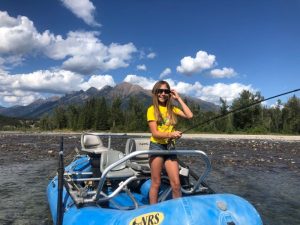
Kayaking and canoeing adventures offer a unique opportunity for students to gain hands-on educational experiences both on and off the water. These activities provide a platform for learning about water ecosystems, environmental conservation, teamwork, and physical fitness.
Educational Benefits
- Students learn about water ecosystems and the importance of preserving them.
- Enhances teamwork and communication skills among students.
- Provides opportunities for physical fitness and outdoor recreation.
- Encourages problem-solving and decision-making skills in real-life scenarios.
Water Safety and Environmental Conservation
- Emphasize the importance of wearing appropriate safety gear such as life jackets.
- Teach students about the Leave No Trace principles to minimize their impact on the environment.
- Discuss the significance of protecting water bodies from pollution and preserving aquatic habitats.
- Encourage responsible behavior while kayaking and canoeing to ensure the safety of both students and wildlife.
Tips for Beginners and Recommendations
- Start with calm waters and practice basic paddling techniques before venturing into more challenging environments.
- Take a beginner’s course or seek guidance from experienced instructors to learn the fundamentals of kayaking and canoeing.
- Explore different types of water bodies such as lakes, rivers, and coastal areas to experience diverse aquatic environments.
- Stay informed about weather conditions and water currents to ensure a safe and enjoyable paddling experience.
Rock Climbing and Bouldering
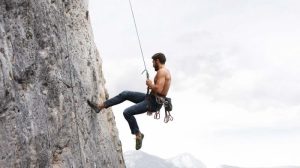
Rock climbing and bouldering are not only exhilarating physical activities but also provide valuable educational experiences for students. These activities help students develop problem-solving skills, mental resilience, and physical strength in a challenging yet rewarding environment.
Educational and Physical Challenges
Rock climbing and bouldering present students with unique physical challenges that require strength, agility, and coordination. By navigating rock walls and boulders, students enhance their physical fitness and motor skills. Additionally, these activities promote teamwork, communication, and trust among participants, fostering a sense of camaraderie and shared accomplishment.
Mental Resilience and Problem-Solving Skills
Engaging in rock climbing and bouldering activities requires mental resilience and problem-solving skills. Students learn to overcome fear, manage stress, and adapt to changing situations while navigating challenging routes. The problem-solving aspect of rock climbing involves strategizing the best way to ascend a route, analyzing the terrain, and making quick decisions under pressure. These skills are transferable to academic and real-life scenarios, making rock climbing a valuable educational experience.
Safety Precautions and Training Tips
Before attempting rock climbing or bouldering, students should receive proper training and guidance from experienced instructors. Safety precautions such as wearing a helmet, harness, and using proper climbing techniques are essential to prevent accidents. Students should also be aware of their physical limitations and communicate effectively with their climbing partners. Regular practice, physical conditioning, and learning proper belaying techniques are crucial for a safe and enjoyable rock climbing experience.
Wildlife Watching and Birding
Wildlife watching and birding offer unique educational opportunities for students to explore the natural world around them. It allows them to observe different species in their natural habitats and learn about the importance of biodiversity and conservation efforts.
Ethical Wildlife Observation Practices
It is crucial to emphasize the importance of ethical wildlife observation practices to students engaging in wildlife watching and birding. Respecting the animals’ space, avoiding disturbing their natural behavior, and following guidelines set by conservation organizations are essential aspects of ethical wildlife observation.
Different Wildlife Species and Habitats
- Students can learn about various wildlife species, such as migratory birds, mammals, reptiles, and insects, and their unique characteristics.
- Exploring different habitats, including forests, wetlands, grasslands, and mountains, provides students with insights into how different ecosystems support diverse wildlife populations.
- Understanding the interdependence between species within an ecosystem helps students appreciate the delicate balance of nature and the impact of human activities on wildlife.
Trail Running
Trail running offers a combination of physical and educational benefits for students, making it an excellent outdoor activity to engage in. It not only improves cardiovascular fitness and endurance but also provides a unique opportunity to explore nature and learn about the environment.
Educational Benefits
- Trail running allows students to connect with nature and learn about different ecosystems and wildlife habitats.
- It teaches students about the importance of conservation and sustainable practices to protect natural landscapes.
- Students can develop a deeper appreciation for the outdoors and gain knowledge about local flora and fauna during their trail runs.
Physical Benefits
- Trail running helps improve cardiovascular fitness, muscle strength, and overall endurance levels.
- It enhances balance, coordination, and agility, providing a full-body workout while running on varied terrain.
- Running on trails can also boost mental well-being by reducing stress and improving mood through exposure to natural surroundings.
Mental Focus and Endurance
Trail running requires a high level of mental focus and endurance due to the challenging terrain and changing environmental conditions. Students need to stay alert, make quick decisions, and adapt to obstacles along the trail to complete their runs successfully.
Tips for Beginners
- Start with short, easy trails to build endurance and gradually increase the distance and difficulty level.
- Invest in proper running shoes with good traction and ankle support to prevent injuries on uneven terrain.
- Stay hydrated, carry snacks, and be prepared for changing weather conditions during your trail runs.
Recommendations for Exploring Scenic Trails
- Research local trails in your area or join a trail running group to discover new routes and meet like-minded runners.
- Explore national parks, nature reserves, and mountain trails for breathtaking views and diverse terrain experiences.
- Consider participating in trail running events or races to challenge yourself and connect with the trail running community.
Adventure Sports
Engaging in adventure sports can provide students with both educational and adrenaline-filled experiences. These activities often involve challenges that push individuals out of their comfort zones, encouraging personal growth and development. Students can learn valuable lessons in teamwork, problem-solving, risk assessment, and resilience while participating in adventure sports.
Risk Management and Safety Measures
Adventure sports come with inherent risks, which is why it is crucial to prioritize safety measures and risk management strategies. Participants must receive proper training, adhere to safety guidelines, use appropriate gear and equipment, and be aware of their limitations. Instructors and guides play a vital role in ensuring the safety of students during these activities.
Types of Adventure Sports and Learning Outcomes
- Rock Climbing: Develops physical strength, problem-solving skills, and perseverance.
- Whitewater Rafting: Fosters teamwork, communication, and quick decision-making under pressure.
- Skydiving: Teaches courage, trust, and the ability to manage fear.
- Mountain Biking: Enhances balance, coordination, and risk assessment abilities.
Adventure sports not only offer thrilling experiences but also help students cultivate important life skills that can benefit them in various aspects of their personal and professional lives.
Ending Remarks
As the final curtain falls on this exploration of Top Educational Tours for Students, it’s evident that the world is a classroom waiting to be discovered. Through these immersive experiences, students not only gain knowledge but also foster a deep appreciation for the diverse wonders of our planet, shaping them into global citizens of tomorrow.
Clarifying Questions
What are the benefits of integrating shopping into educational tours for students?
Shopping in unique destinations enhances students’ cultural understanding, budgeting skills, and exposes them to a different aspect of local economies.
How do music festivals contribute to the educational experience of students?
Music festivals provide insights into different cultures, music genres, and social dynamics, offering students a vibrant and immersive learning environment.
Why is sustainability important in Arctic and Polar expeditions?
Sustainability ensures the preservation of delicate ecosystems in these regions, allowing students to witness the impact of human activities on the environment firsthand.